In Red Dead Online, I’m not always chasing the next bounty or racing to a mission. Most of the time, I’m just riding—cutting through mountains, crossing open plains, ducking into forest where birds chatter overhead and coyotes call from somewhere unseen, and sometimes skirting the edge of a swamp filled with predators, where drifting off the road can get you killed fast.
Every so often, the ride delivers my favorite kind of discovery: an abandoned cottage tucked off the trail, or a lonely lake house that looks like someone left in a hurry and never came back. Inside, it’s all primitive furnishing and quiet clues—a rough table, a narrow bed, bread and food still sitting out like the day stopped mid-meal. That’s the feeling I carried with me to the Susanna Bixby Bryant Museum and Botanic Garden: the urge to step into real history, where time doesn’t play out in cutscenes but lingers in the walls, waiting to be read.
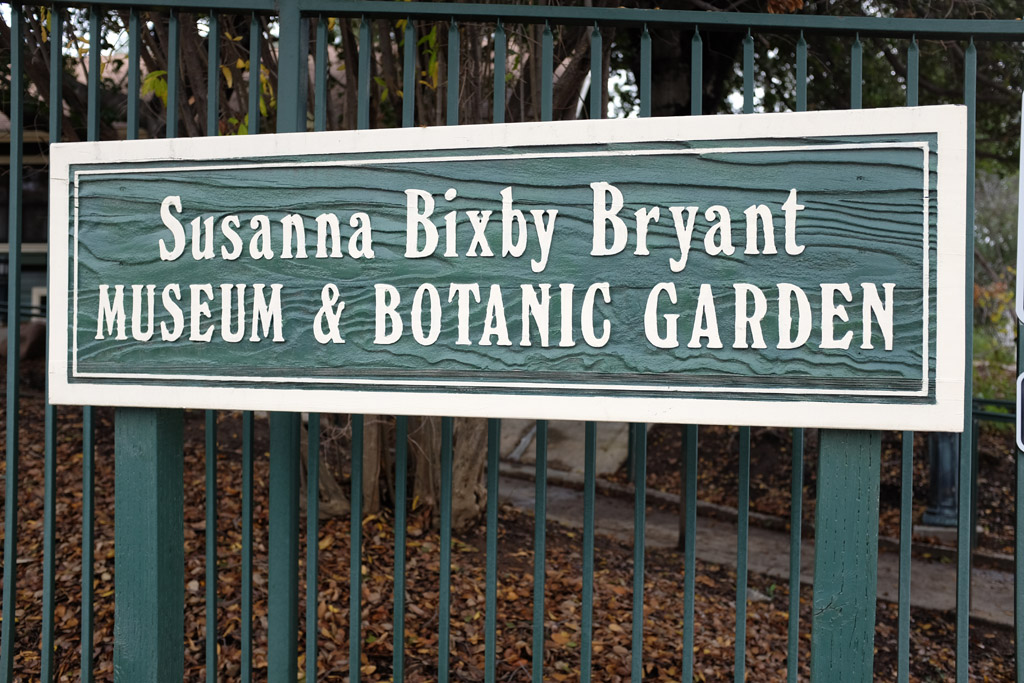
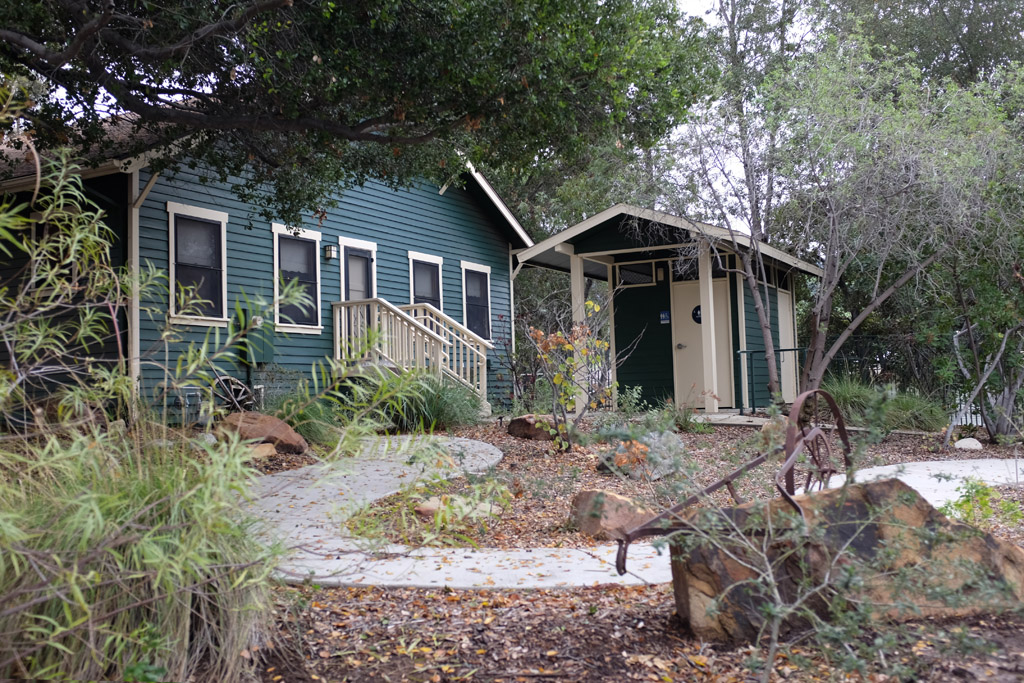
Along a quiet street in Yorba Linda, tucked between neat rows of 1970s homes, there’s a low wooden farmhouse that feels like it’s been holding its breath for decades. The Susanna Bixby Bryant Museum and Botanic Garden isn’t a stop your GPS insists on; it’s the kind of place you find because you like to wander into the past and see what’s still standing. The cedar siding warms in the sun, and the air smells faintly of dust and citrus—remnants of an older California, one that still hums beneath the grid of modern life.
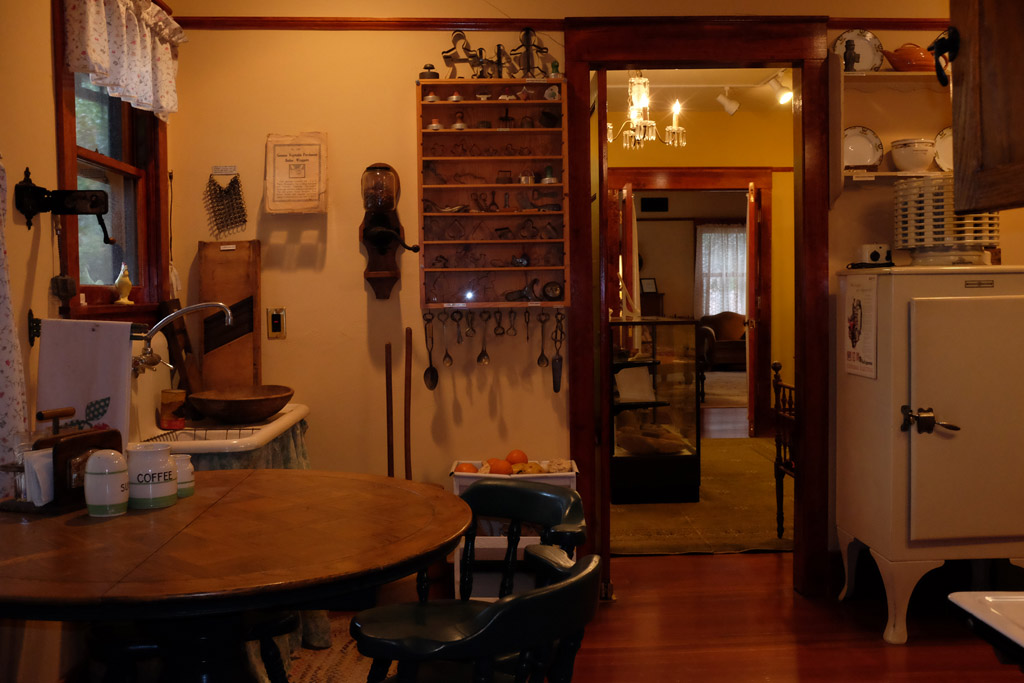
More than a century ago, this was the heart of Rancho Santa Ana, once thousands of acres of open range stretching east from the Santa Ana River. In 1875, John William Bixby bought the property from the Yorba family, whose roots reached back to the Spanish land grant era. Cattle grazed the hills then, and later the scent of orange blossoms drifted through the canyons.
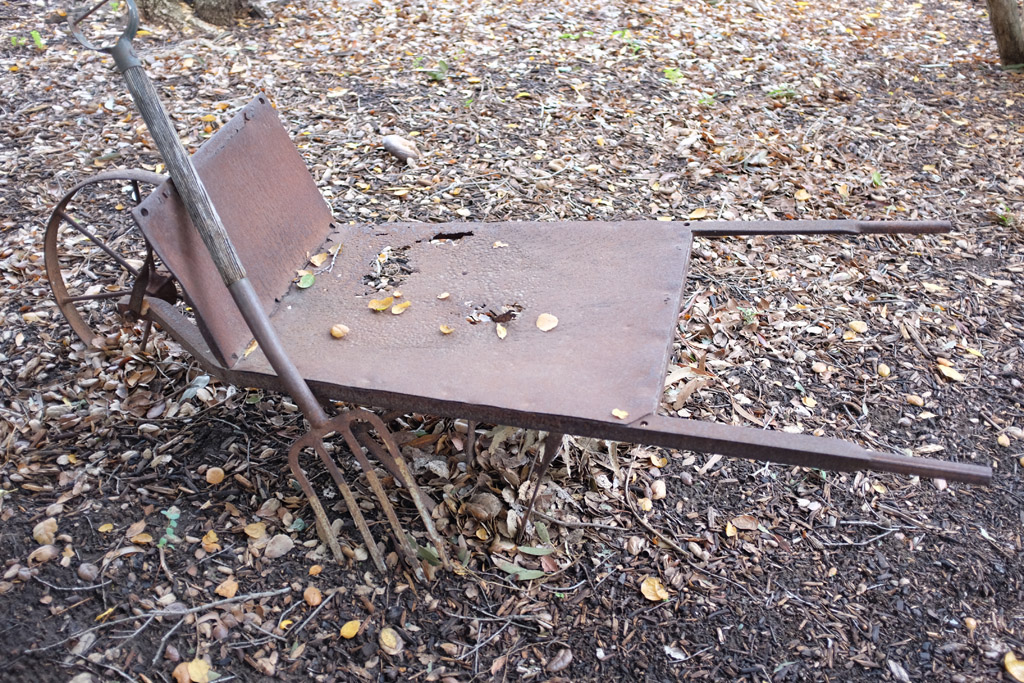
The house that stands today was built around 1911 by Bixby’s daughter, Susanna—an ambitious rancher, horticulturalist, and botanist whose fascination with native plants grew wild across her land. As much of Southern California was being parceled into suburban tracts, Bryant saw what others overlooked: that native flora wasn’t scrub to be cleared, but a living record of place. In 1927, she set aside 200 acres of her ranch to cultivate a garden devoted entirely to California’s native plants. She corresponded with botanists, traded seeds, and created one of the state’s first institutions to study local ecosystems—long before “conservation” became a familiar word.
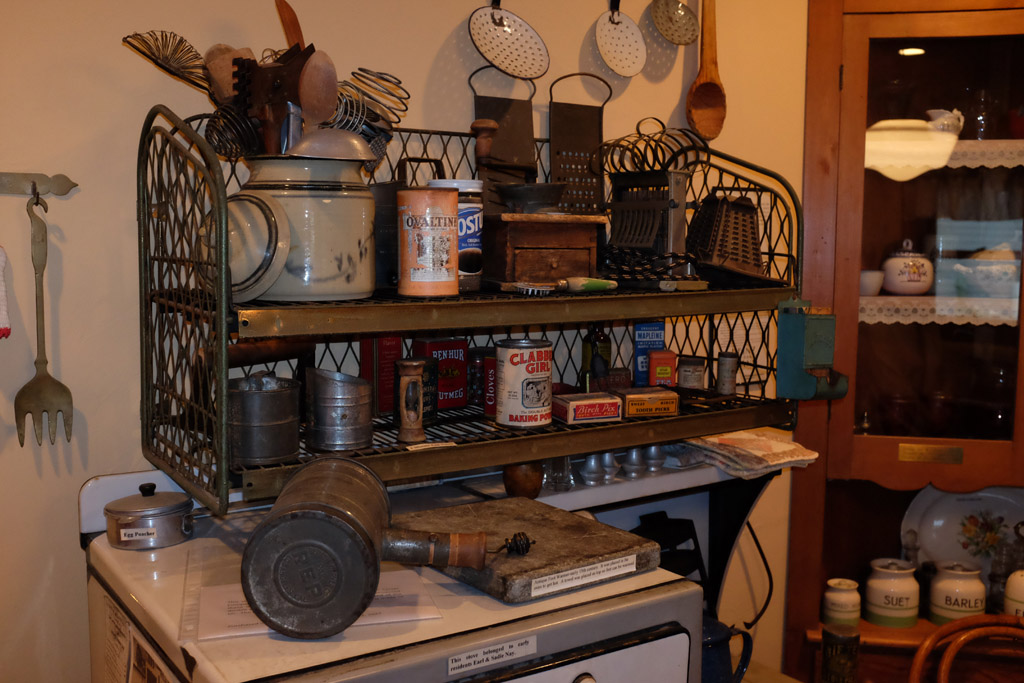
After her death in 1946, the botanic garden moved to Claremont and evolved into what is now the California Botanic Garden. Back in Yorba Linda, the house stood quiet for decades. Paint faded, graffiti crept across the walls, and furnishings were stolen or broken—yet the bones of the house endured. Its original floorboards remain solid beneath your feet, as if still grounded in the land that shaped them.
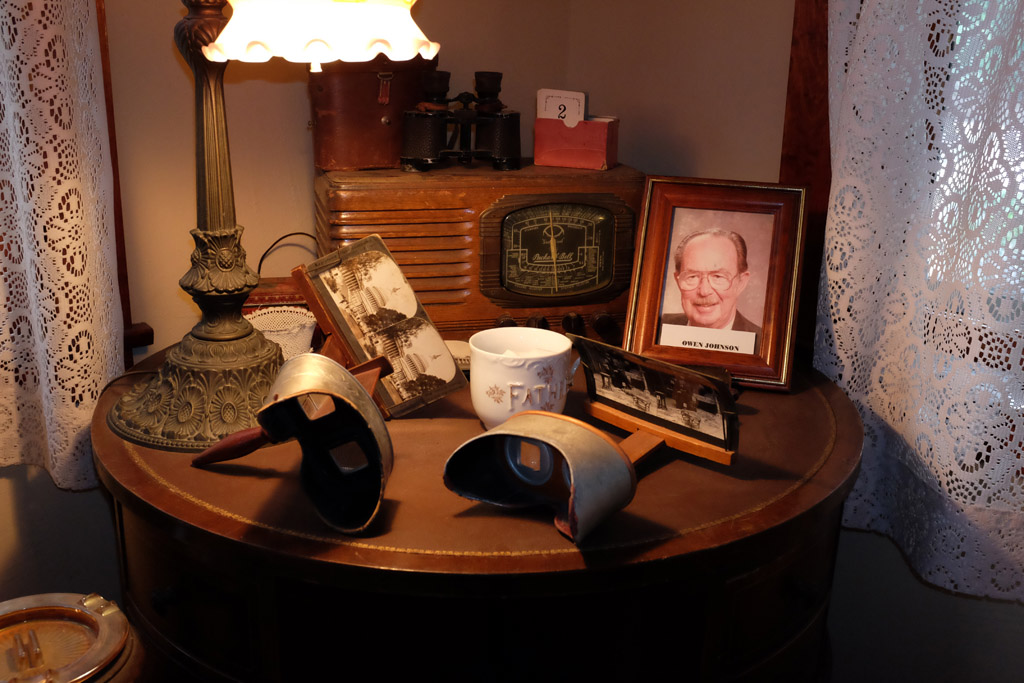
By the late 1970s, as development pressed closer, the city stepped in to save what was left. Volunteers began restoration in the mid-1990s, carefully returning the farmhouse to life. Inside, curators have staged the rooms not with guesswork but intention: displays of hand tools, ranch equipment, textiles, and irrigation maps that tell the story of how Orange County took shape from soil and water.
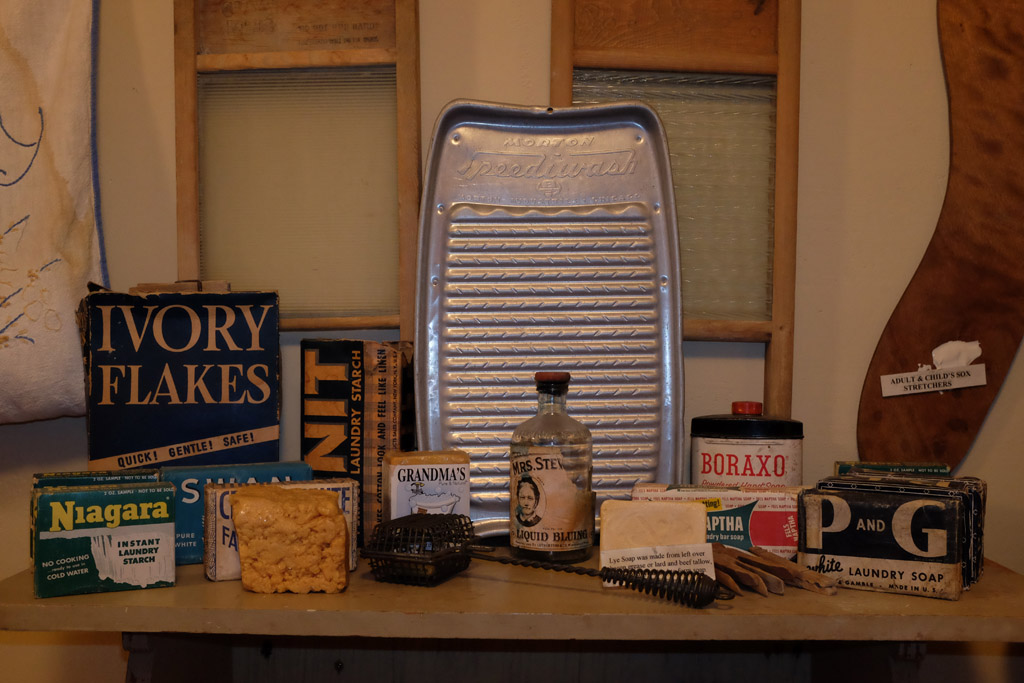
Today, the house feels less like a re-creation and more like a conversation with time. Every room is arranged to remind you that life here was steady, practical, persistent. Docents lead quiet tours through the rooms, past citrus-farming exhibits and artifacts from the region’s early ranching days. Out back, a small garden still grows descendants of Bryant’s original plantings—native species holding their ground in familiar soil.
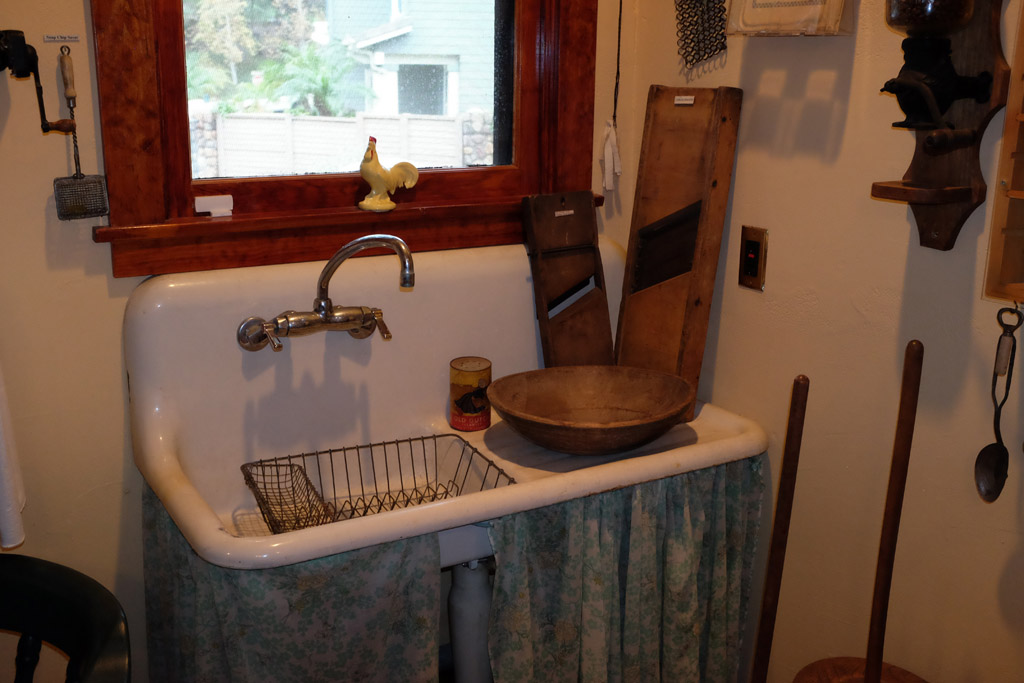
On the first Saturday of each month, the front door opens to visitors. The fee is small ($2 per adults), but the reward is rare: the chance to walk through a space that remembers California before the freeways mapped it flat. In a county always chasing what’s next, the Susanna Bixby Bryant Museum stands as proof that some discoveries are best left where they’ve always been—steady, rooted, and real.
To visit the Susanna Bixy Bryant Museum:
5700 Susanna Bryant Drive,
Yorba Linda, CA 92886
See also Yorba Linda Historical Society