Cyberpunk 2077 TCG: Hands-on With the New Alpha Kit
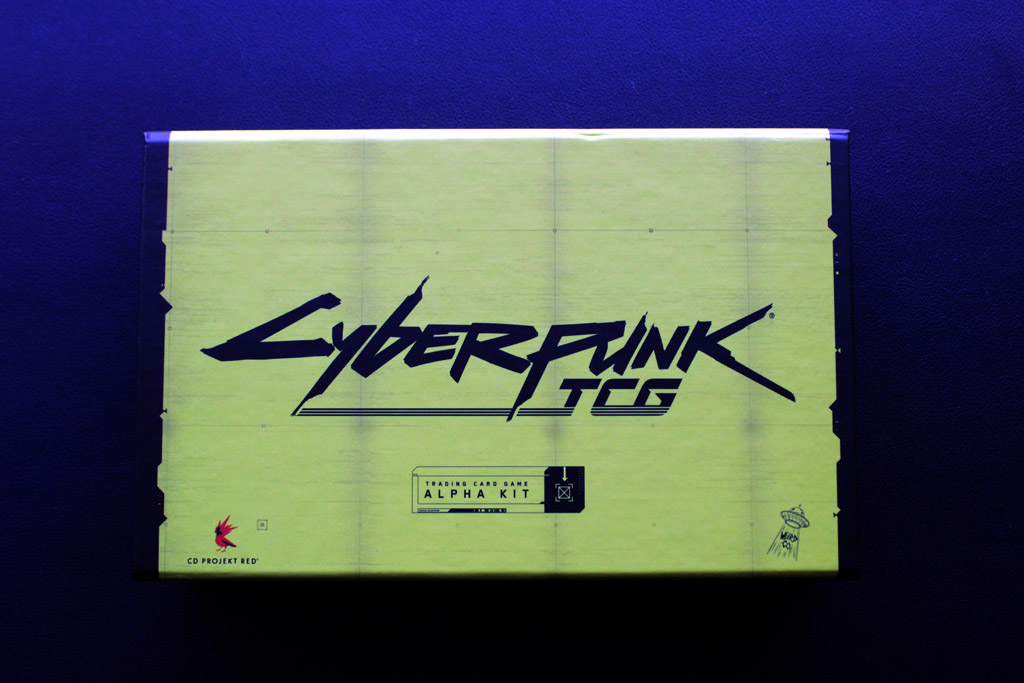
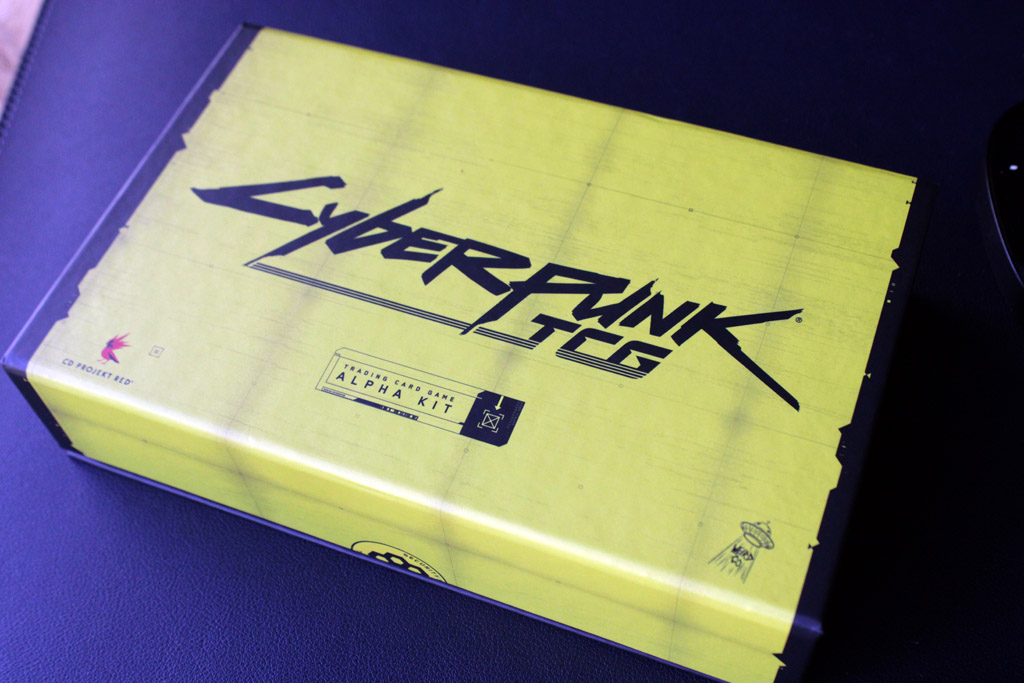
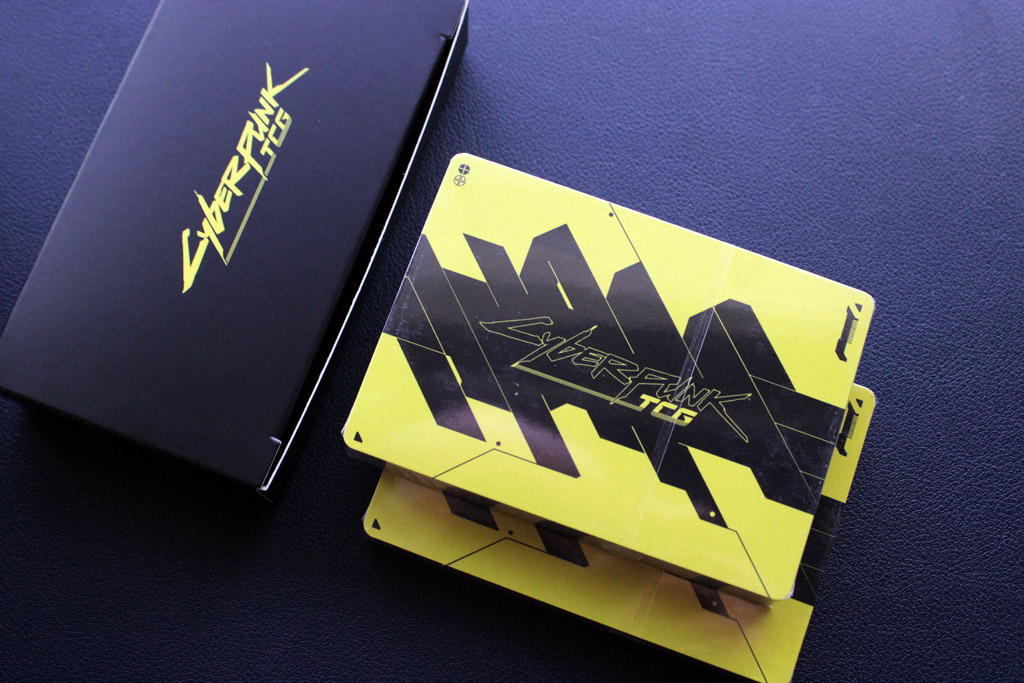
If you’ve ever wanted to experience the high-stakes world of Cyberpunk 2077 in a format you can shuffle, Weird Co. just gave players something real to mess with. The official Cyberpunk 2077 Trading Card Game (TCG) has officially entered Alpha testing, and we just received an exclusive Alpha Kit to dive into.
Developed in direct collaboration with CD Projekt Red, this tabletop adaptation aims to capture the core feeling of the video game and TTRPG: take a job, push your luck, and hope your plan holds for one more turn. Whether you’re a fan of the Edgerunners anime or a die-hard card gamer, here is everything you need to know about the Cyberpunk TCG rulesand gameplay.
What is the Cyberpunk 2077 Trading Card Game?
The pitch lands fast. Instead of the slow, methodical grind found in some fantasy card games, the Cyberpunk TCG keeps the tempo high—more alleyway ambush than polite duel.
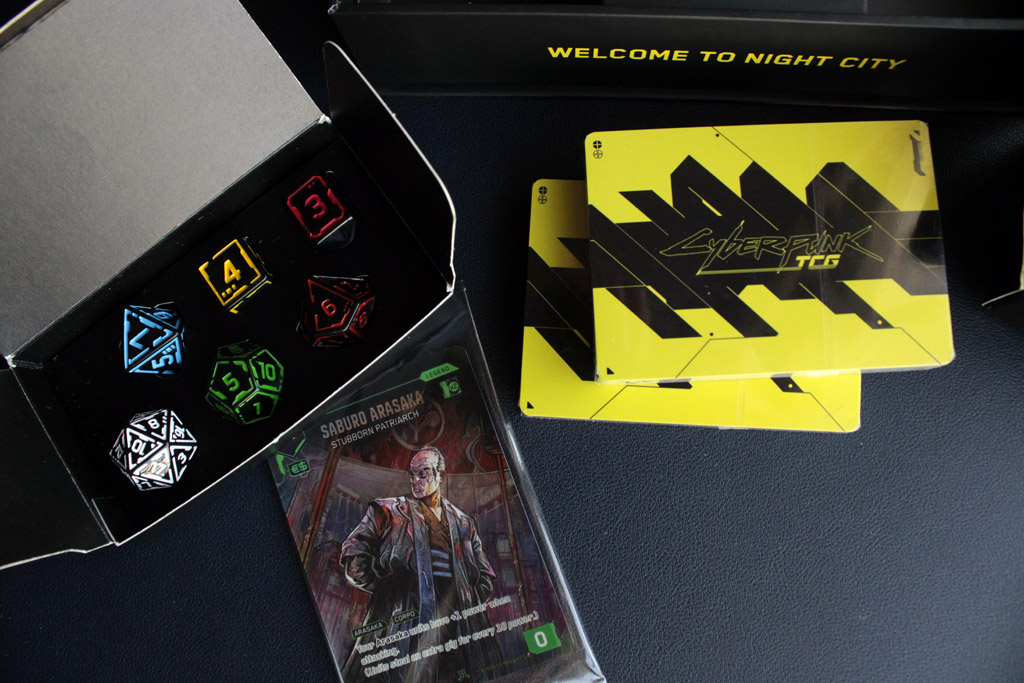
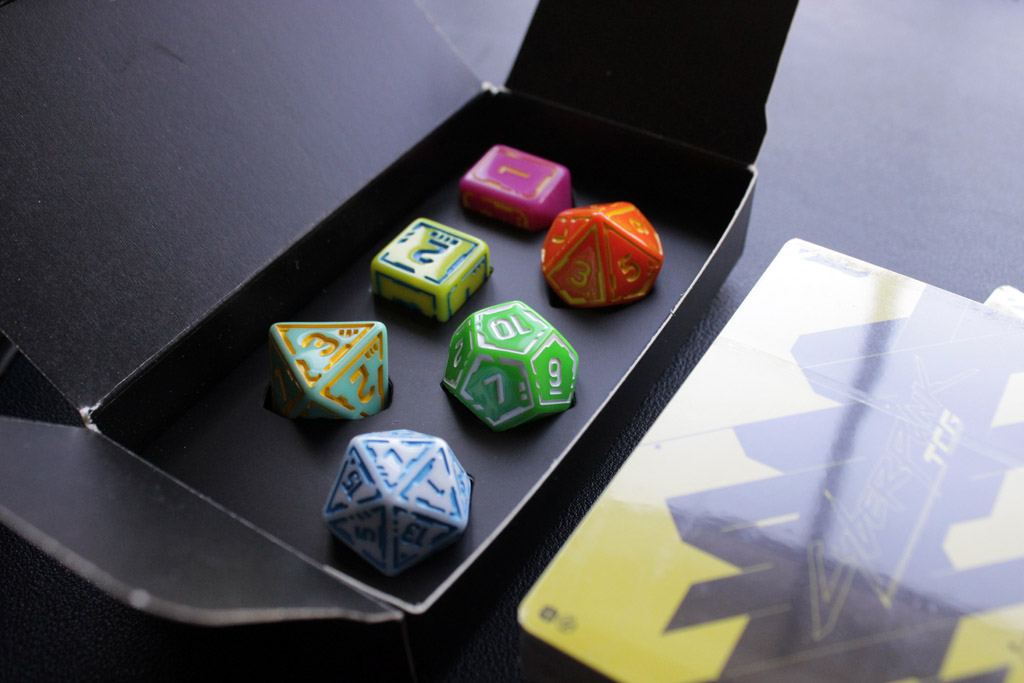
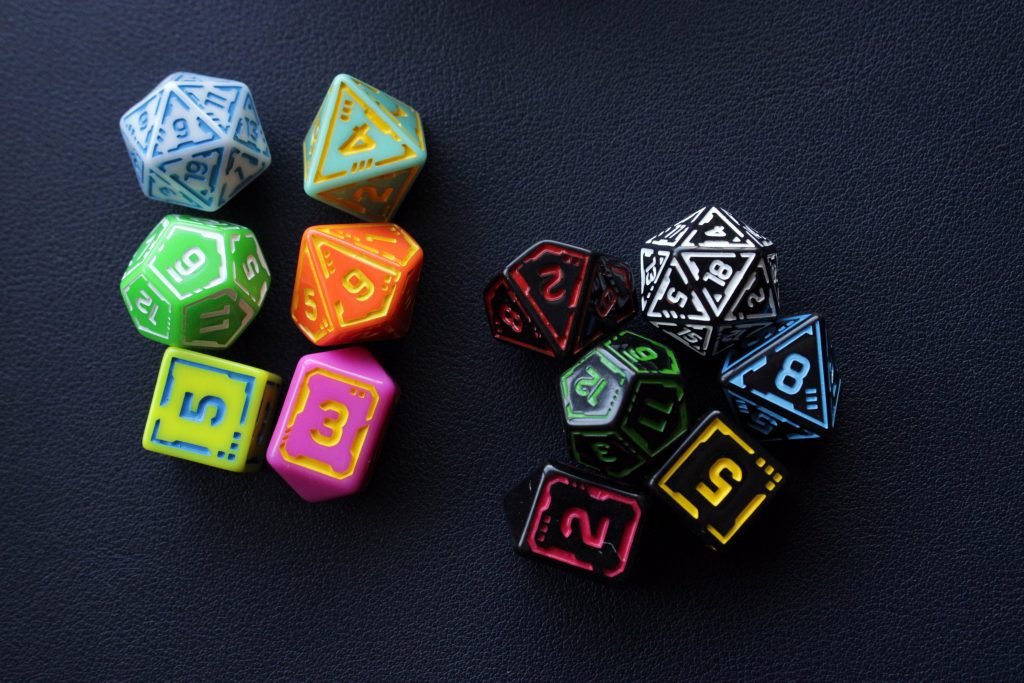
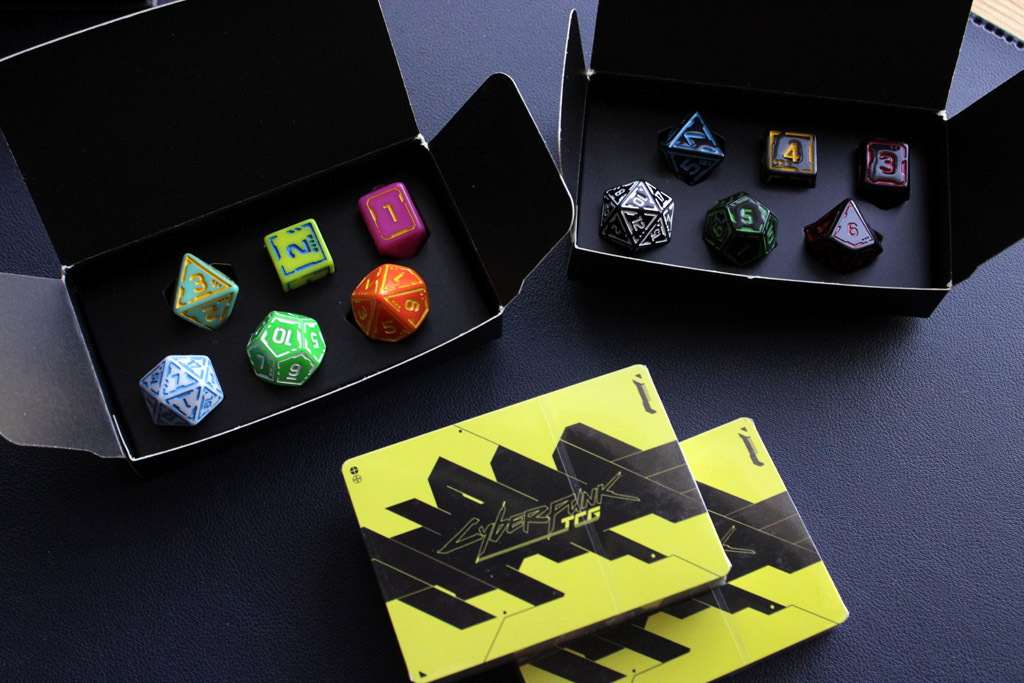
In an effort to keep this trading card game connected to the original tabletop RPG roots, Weird Co. has introduced a clever dice mechanic (and some incredibly sweet custom dice) to the card battle format. The Alpha Kit leans into recognizable faces like V and Johnny Silverhand, creating a familiar pathway for players looking to transition from the screen to the table.
The Win Condition: How to Earn Gigs in Night City
In the Cyberpunk TCG, you aren’t just lowering a life total; you are chasing “Gigs.” Winning comes down to your Gig Area, and the game offers two ways to claim victory:
-
The Momentum Win: Start your turn with 6 Gig Dice in your area.
-
The Instant Win: Hit 7 Gigs at any time and the game ends on the spot.
This “one-two punch” shapes the strategy of every match. You can sit at five Gigs and feel safe for half a second, but one clean steal from your opponent can flip the table state instantly.
Cyberpunk TCG Gameplay & Turn Structure
Each turn runs on a rhythm that’s easy to learn but difficult to master. Here is the standard turn loop:
-
Draw & Get Paid: The game feeds you cards and Eddies (currency) to keep your engine moving.
-
Deploy a Gig Die: Take a die from your Fixer Area, roll it, and move it into your Gig Area.
-
Build the Board: Spend your Eddies to play Units, Gear, and tactical Programs.
-
Combat: Fight over Gigs. Attacks allow you to steal dice, while defense can redirect those hits—if you’ve planned ahead.
The “Burn” Economy
The most “Cyberpunk” choice shows up in the economy. Once per turn, you can sell a card from your hand for an Eddie. This means every card carries dual value: what it does on the table, and what it’s worth when you’re broke. Sometimes you’ll trash a powerful piece of Cyberware or Gear because you need a “body” on the board right now. It hurts, but it feels exactly like life in Night City.
Card Types: Legends, Units, and Programs
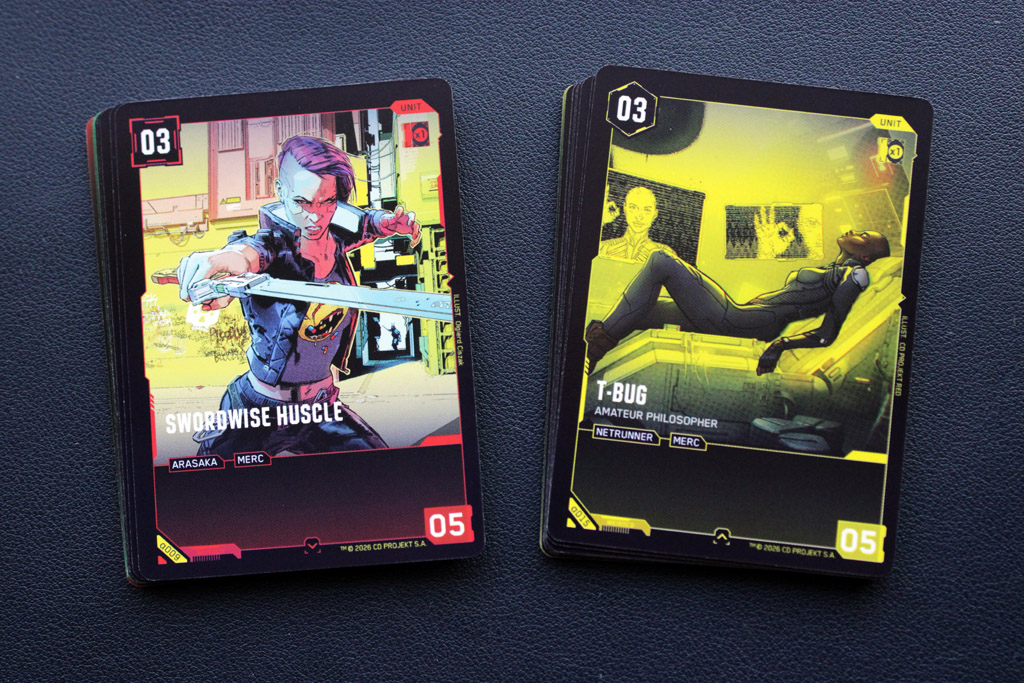
The Alpha kit splits cards into four big buckets, with clear roles.
Cyberpunk TCG Legends
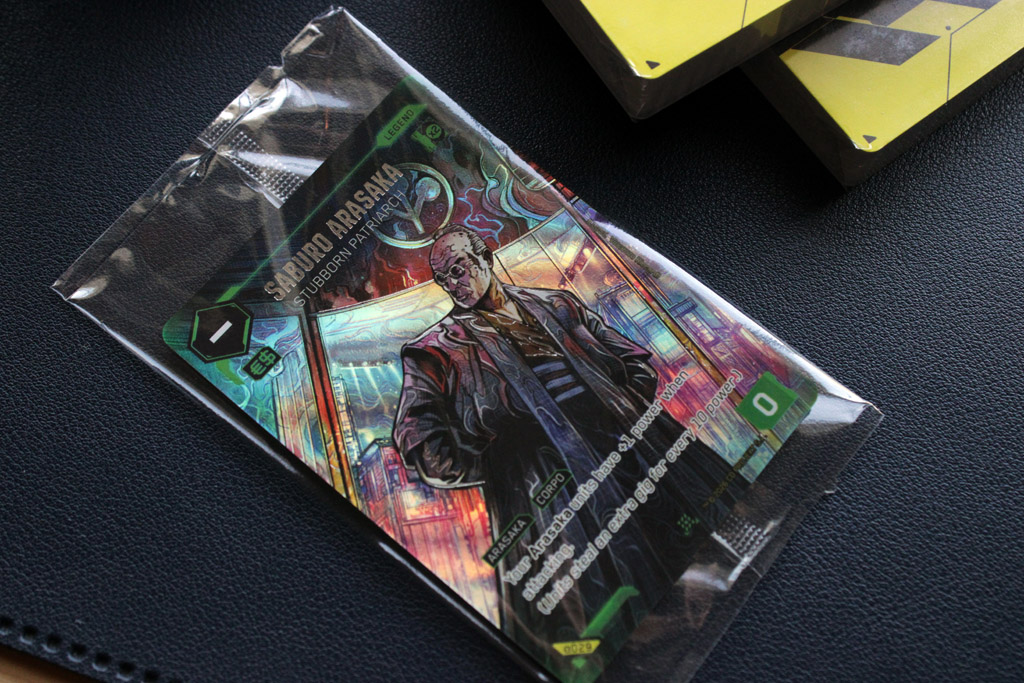
Legends function like marquee threats. You place them face-down, then pay to Call (reveal) them into play. Because they start hidden and get shuffled, the reveal carries tension. You might flip a bruiser like Goro Takemura or a more tactical pick like T-Bug depending on what’s in your Legend stack.
Cyberpunk TCG Units
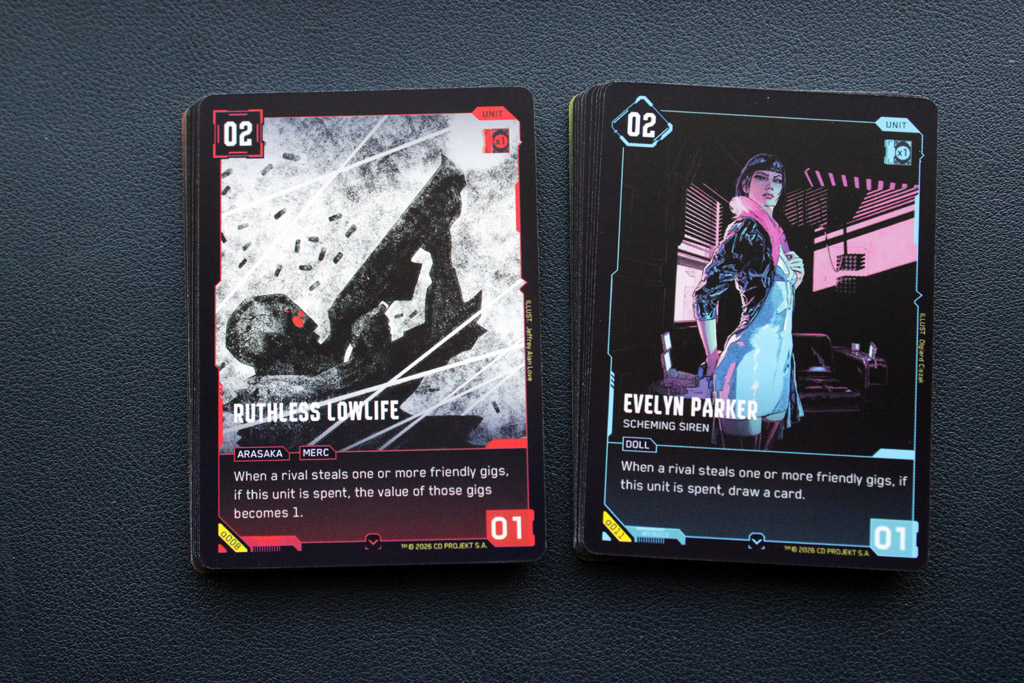
Units attack, block, and steal Gigs. Their Power matters because it scales how much they take: for every 10 Power, a Unit steals an extra Gig when it hits your opponent. That “10 Power breakpoint” becomes a planning tool. Players will build toward it. Players will also fear it.
Cyberpunk TCG Gear
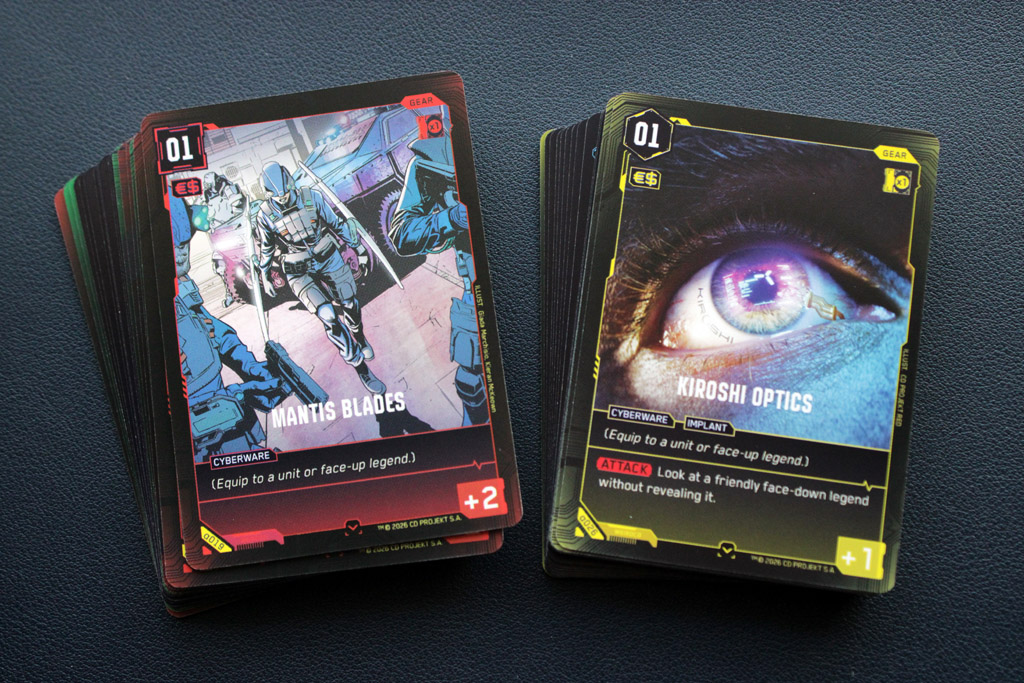
Gear attaches to Units and changes the math—raw stats, utility, or information.
Cyberpunk TCG Programs
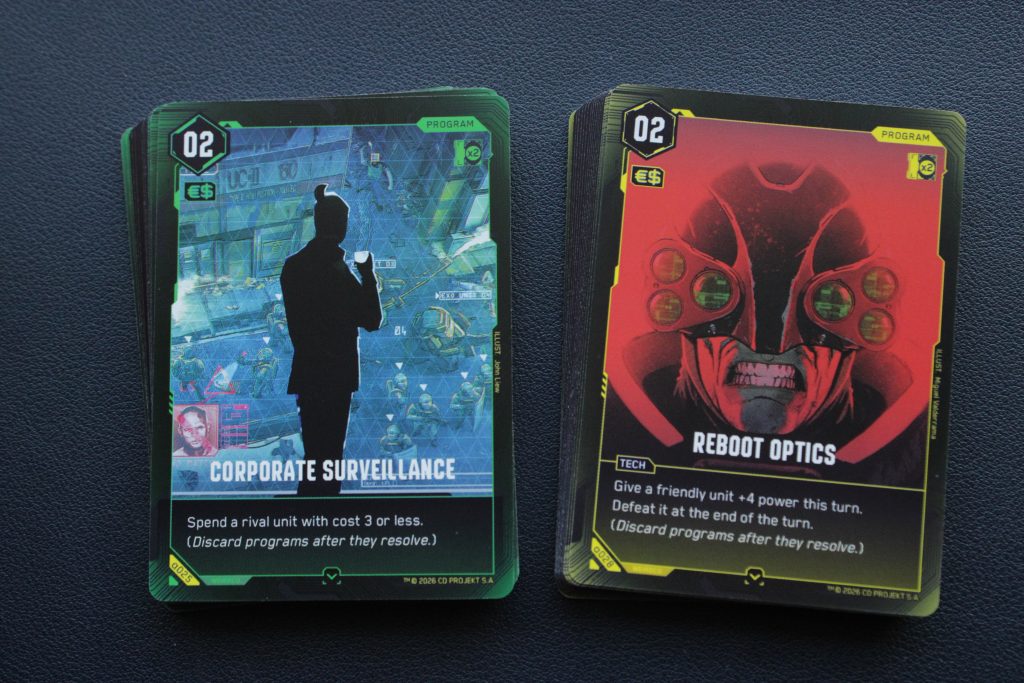
Programs act as one-time tactical plays. In other card games, you’d call these “instants.” Here, they read like quick hacks, ambushes, and sudden reversals. A Program can clear a blocker, mess with combat, or turn a safe attack into a blowout. Programs also punish sloppy sequencing. If you commit too early, you hand your opponent the perfect window.
Synergy is the real game
Once you understand the turn loop, deckbuilding starts to matter more than any single card. Take Kiroshi Optics as an example. If a Gear effect lets you peek at face-down Legends, you gain something priceless: information. Knowing what’s coming shapes every purchase, every attack, every “do I sell this card for cash?” moment.
Then there’s Sandevistan. In the Alpha, it can attack spent (tapped) units. That changes table etiquette instantly. A player who swings and “expects safety” may learn a quick lesson: exhaustion doesn’t guarantee survival here. The card pressures tempo, punishes greed, and speeds up games in a way that feels on-theme.
Defense isn’t optional
In this Alpha environment, defense is as a requirement. Blockers feel like the glue that keeps your Gig stack from evaporating. When an opponent tries to steal a Gig, you can spend a Blocker to redirect the attack. Cards like Armored Minotaur—or Units carrying defensive upgrades like Mandibular Upgrade—anchor that plan.
Without that line, a high-Power attacker can rip through your Gigs in one clean push. The board state flips quickly. Every round is a tug of war where you can send Units forward and risk your stash or hold Units back and risk falling behind on Gigs. It’s a constant resource argument, and the game seems to want that argument.
Cyberpunk TCG Factions: Arasaka vs. Maelstrom
If Arasaka feels like security doors and camera coverage, Maelstrom feels like sparks and shouting.
Arasaka Faction: controlled, defensive, information-rich
Arasaka builds a board that’s hard to crack. The faction leans into Blockers and durability, then uses Gear to shape outcomes. If you like locking down lanes, choking off clean attacks, and forcing your opponent into awkward trades, Arasaka fits.
Arasaka’s fun comes from control. You watch your opponent assemble a “big turn,” then you blunt it. You keep collecting Gigs while they waste momentum.
Maelstrom Faction: speed, risk, and volatility
Maelstrom plays like a demolition run. The faction centers on “Push” and higher die types—bigger numbers, bigger swings, bigger chances something burns out and hits the discard pile. Maelstrom games tend to end fast because the faction forces it. You win before the opponent stabilizes, or you flame out trying.
Cyberpunk TCG Alpha – How to Play Step-by-step
Setup & win condition
-
Win: Start your turn with 6 Gigs in your Gig Area
-
Instant win: Reach 7 Gigs at any time
-
Start: Draw 5 cards, begin with 3 Eddies
-
Legends: Place 3 Legends face-down
-
Dice: Place your d4 in your Fixer Area
Turn structure
-
Start Phase: Check the win condition, gain 3 Eddies, draw 1 card, move the next available die into your Fixer Area
-
Action Phase: Spend Eddies to play Units/Gear; Call one Legend per turn
-
Deploy Gigs: Roll a die from your Fixer Area and move it to your Gig Area
-
Combat: Attack to steal Gigs; 10+ Power can steal 2 instead of 1
-
End Phase: Discard down to 7, refresh Units
Early take: fast, lethal, and built for momentum
Cyberpunk TCG wants you to take chances. Turns move quickly. Combat shows up often. Dice add variance, but the decisions still feel like the driver. You can plan, you can set traps, and you can absolutely get punished for a sloppy sell-or-play call. The rules reward aggression and timing.
If the full release keeps this pace, the Cyberpunk 2077 Trading Card Game could land in a sweet spot: tactical enough for hobby players, direct enough for a casual game night, and mean enough to feel like Night City.