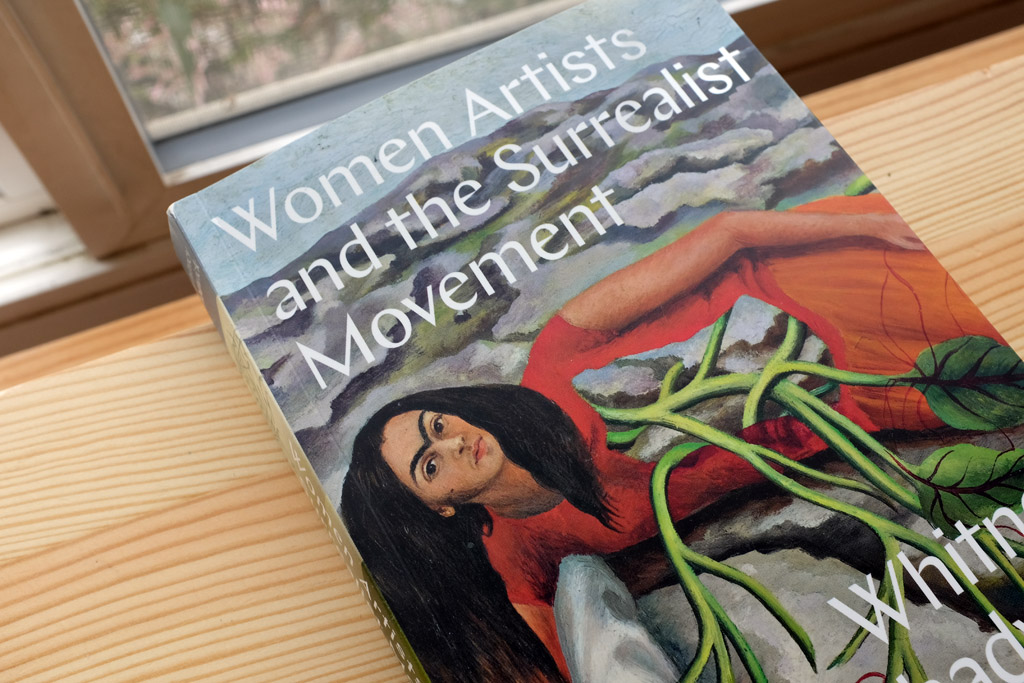
The Book That Changed the Conversation
Some art history books quietly fill gaps. Others redraw the map. Women Artists and the Surrealist Movement belongs to the second category. Written by art historian Whitney Chadwick, the book reframed Surrealism at a moment when museums, critics, and classrooms largely told the story through a tight circle of male figures—names like André Breton and Salvador Dalí.
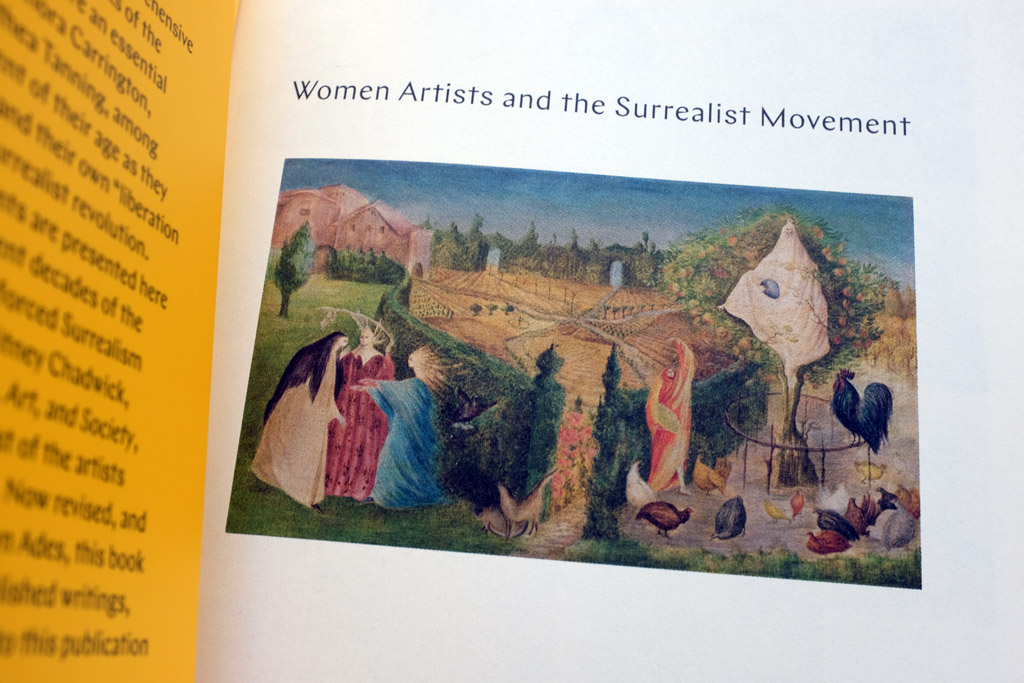
Today, it’s difficult to imagine a serious survey of modern art that omits women Surrealists. That normalization traces back, in large part, to Chadwick’s research. She did not tack women onto an established narrative. She examined the structure of the narrative itself and asked who had been left standing outside the frame. That question still resonates.
Rethinking Surrealism from Within
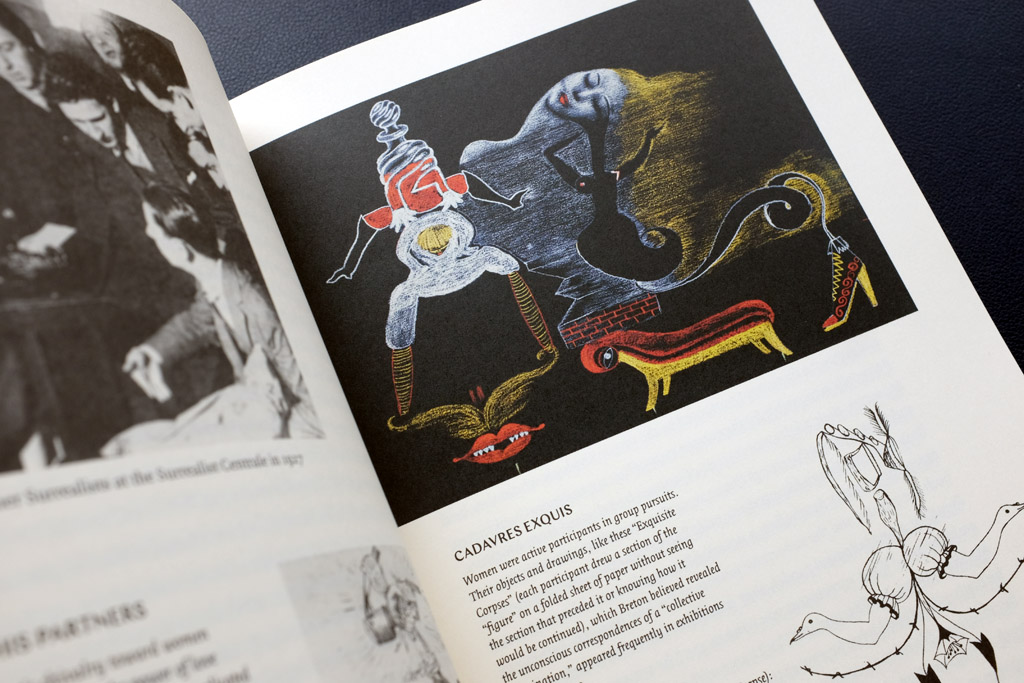
Surrealism emerged in 1920s Paris as an artistic revolt against rational thought. Its artists sought entry into dreams, myth, and the unconscious. The movement celebrated the irrational and often elevated the feminine as a symbol of mystery and creative force. Yet the symbolic feminine did not automatically translate into institutional power for women artists.
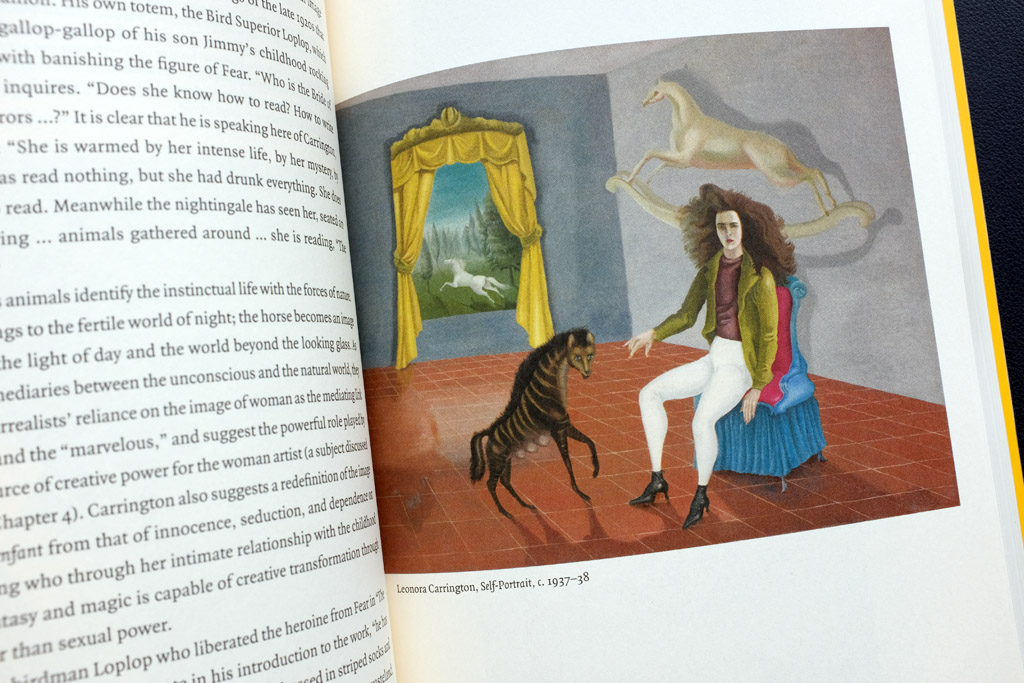
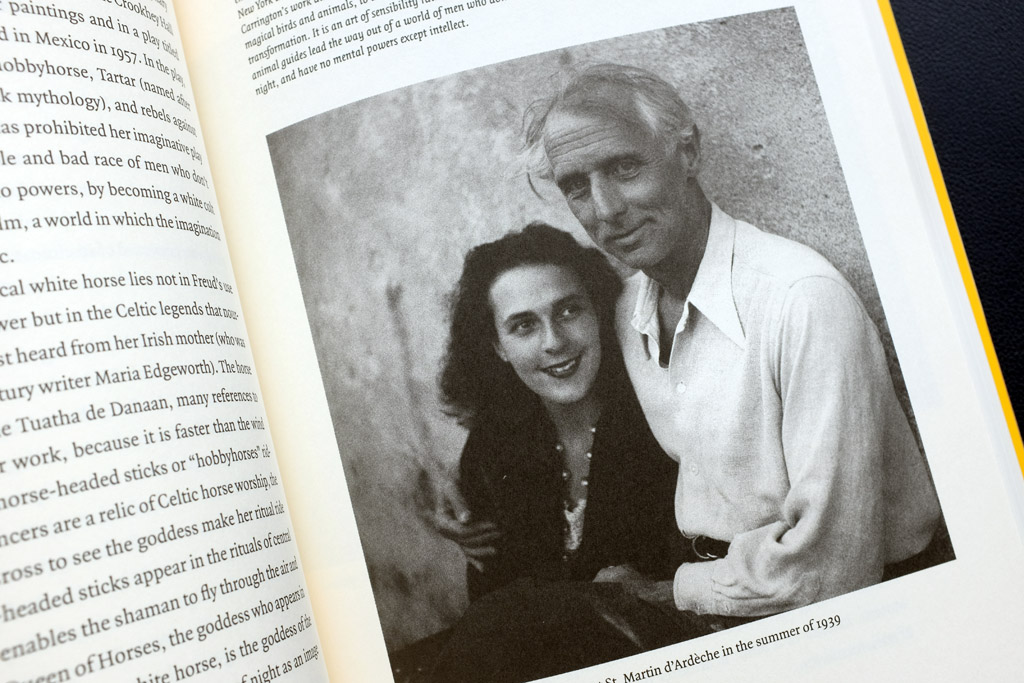
Chadwick explores this tension with clarity. She places artists such as Leonora Carrington, Remedios Varo, Dorothea Tanning, Claude Cahun, Kay Sage, and Frida Kahlo at the center of the movement’s intellectual and visual development.
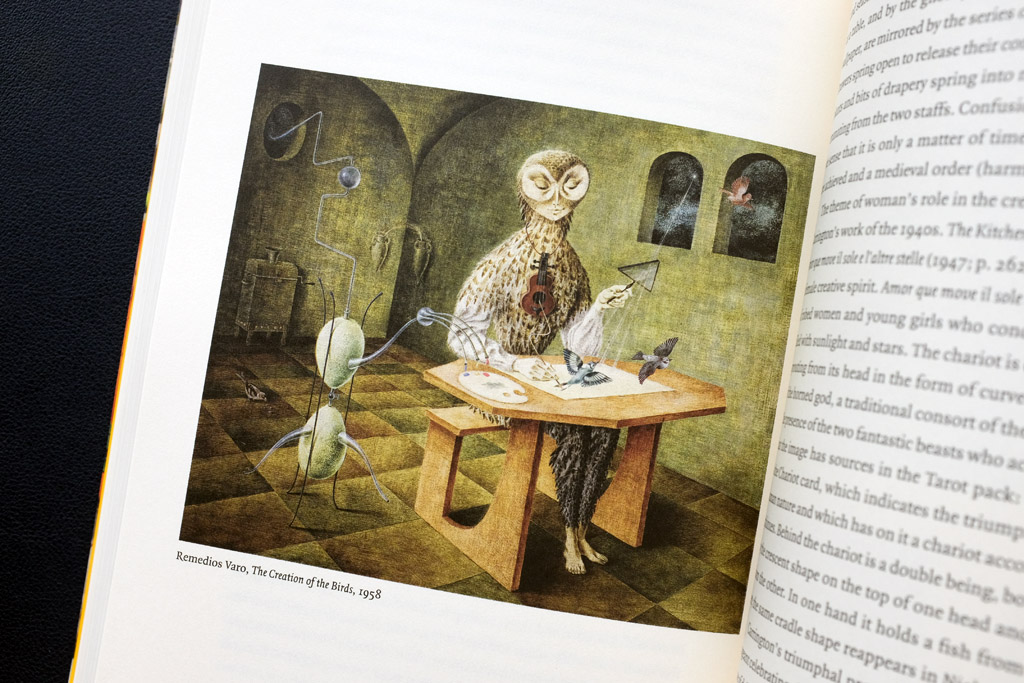
Rather than presenting them as satellites, she demonstrates how their work expanded Surrealism’s thematic range. Carrington’s hybrid creatures and mythic self-imaginings questioned fixed identity. Varo’s intricate, esoteric worlds translated exile into spiritual allegory. Cahun’s self-portraits destabilized gender decades before that language entered critical discourse.
Beyond the Muse Myth
Surrealist texts frequently cast women as muses—figures of inspiration, desire, or symbolic purity. Chadwick does not dismiss this dynamic; she studies it. Then she traces how women artists negotiated, resisted, and sometimes appropriated that position.
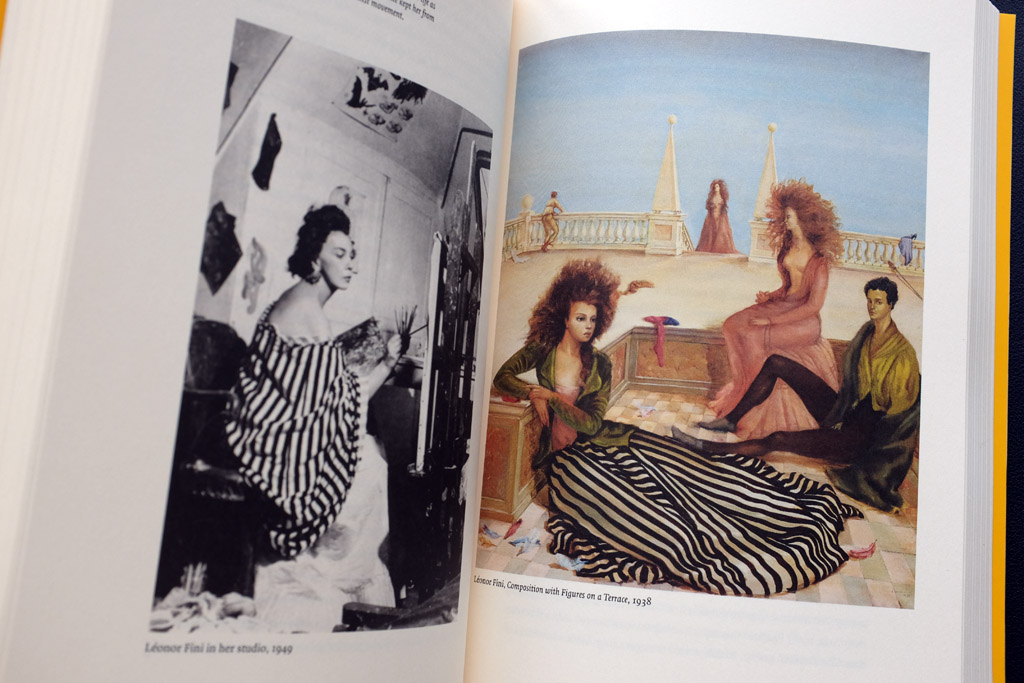
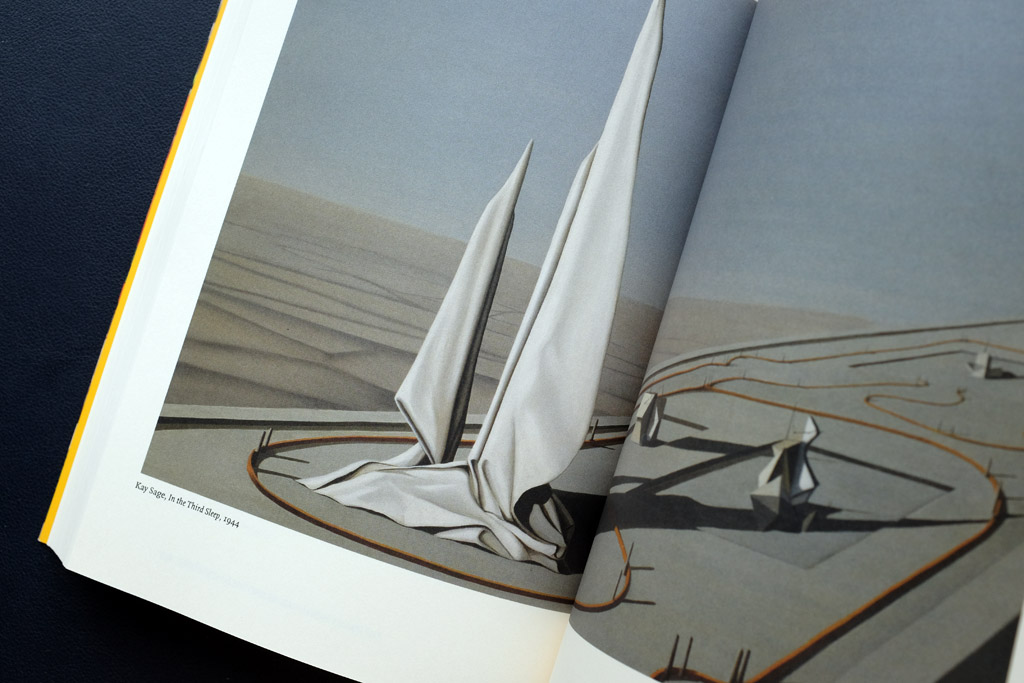
Dorothea Tanning’s early paintings engaged Surrealist dream imagery, yet her later work shifted toward interior psychological tension that defied easy decoding. Kay Sage constructed austere architectural landscapes that conveyed isolation with quiet force. Claude Cahun staged photographic self-portraits that fractured identity into masks and mirrors.
These artists did not passively absorb Surrealist ideas. They interrogated them.
Chadwick’s analysis feels grounded in the artwork itself—formal composition, iconography, technique—rather than abstract theory. She moves between close visual reading and broader cultural context, allowing the argument to build steadily.
Exile, Politics, and Geography
One of the book’s strengths lies in its international scope. Surrealism did not remain confined to Paris. Political upheaval and World War II displaced many artists across Europe and the Americas. In Mexico, Carrington and Varo developed dense symbolic languages shaped by exile and cross-cultural exchange. Kahlo, whose relationship to Surrealism was famously ambivalent, nonetheless engaged with its dream logic while grounding her imagery in personal and national identity.
Chadwick situates these movements within historical pressures—fascism, migration, shifting artistic centers—without losing sight of individual agency. The broader context sharpens the stakes of the work. Surrealist metamorphosis begins to look less like stylistic flourish and more like a response to rupture.
Scholarship with Staying Power
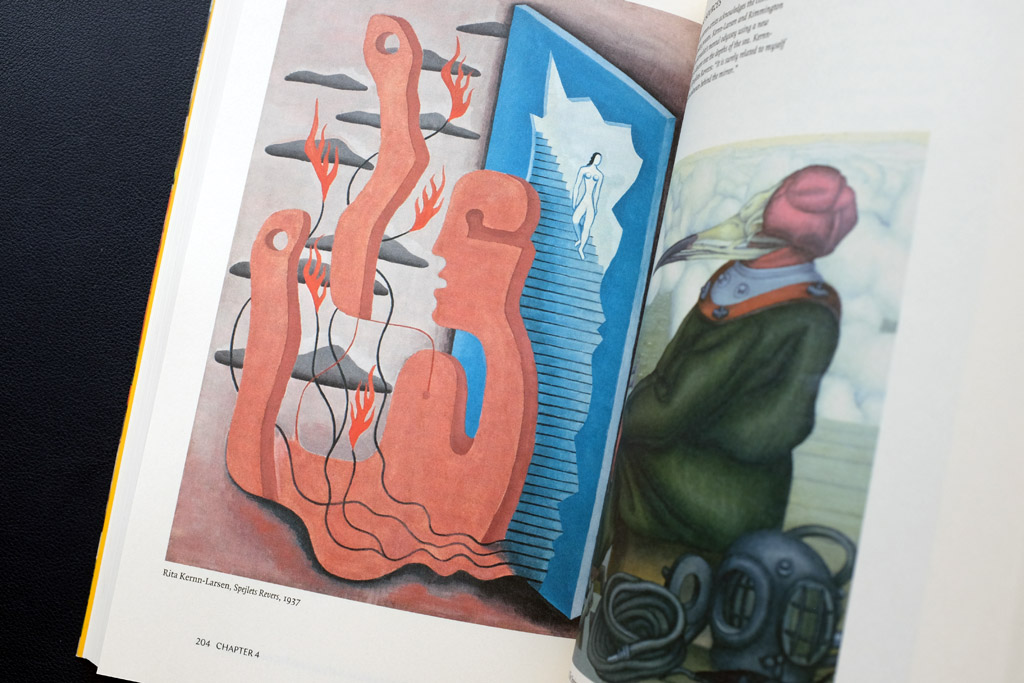
Chadwick writes prose that remains accessible without sacrificing intellectual rigor. She draws on archival material, letters, manifestos, and exhibition histories to construct a persuasive case for the ideas presented. Importantly, she avoids flattening the narrative into simple opposition. The Surrealist movement offered women real opportunities for collaboration and experimentation. It also reproduced hierarchies. The book holds both realities at once. That balance helped establish feminist art history as a serious scholarly discipline.
Nearly four decades after its publication, Women Artists and the Surrealist Movement remains foundational. For anyone interested in modern art, gender studies, or the mechanics of how cultural narratives evolve, Women Artists and the Surrealist Movement demonstrates how rigorous research can change what we see when we stand before a painting—and whose presence we recognize there.