An Exercise in Restraint
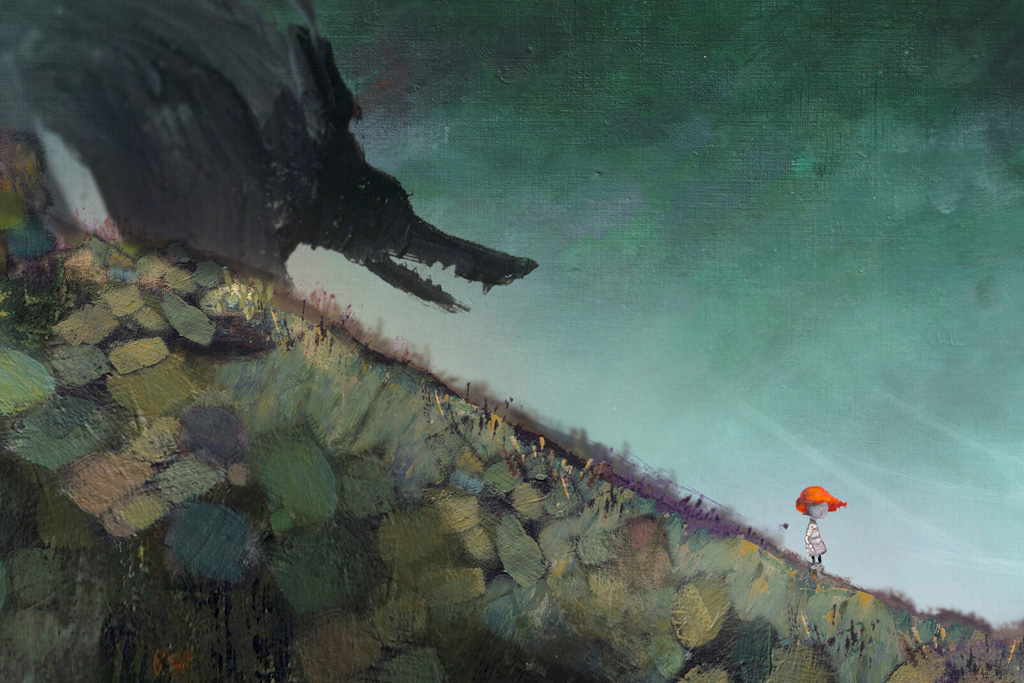
Unleaving is an exercise in restraint: a puzzle platformer that arrives not on the strength of spectacle but through the deliberate assembly of brushstroke, motion, and metaphor. Released on March 27, 2024, by indie studio orangutan matter, it is the first complete title from this Toronto-based duo and their collaborators. What distinguishes Unleavingfrom its peers is not merely its mechanics but the persistent way those mechanics and its art intersect to provoke reflection on change, loss, and perception.
The core of Unleaving is contained in its title: a reference to Gerard Manley Hopkins’s poem “Spring and Fall: To a Young Child,” which opens with the lines “Márgarét, áre you gríeving / Over Goldengrove unleaving?” In Hopkins’s usage, “unleaving” names the shedding of leaves and, by extension, the transience of life. That duality — of literal shedding and emotional shift — is the axis around which Unleaving turns.
Husband and Wife Team
The studio behind this work is small by mainstream standards but rich in artistic ambition. At its core are Sura Karnawi and Saif Jabur, a husband-and-wife team who led creative direction, design, and production. Karnawi — co-creator and lead artist — produced more than 22,500 individual paintings over three years, working on sequence, mood, and visual presence while juggling parenthood and public development events such as PAX East 2023. Jabur, a multidisciplinary designer with a background in game prototyping and level design, shaped the mechanics, influenced by classics like Limbo and Portal. Together they envisioned Unleaving as “a personal journey,” one that privileges player interpretation over explicit narrative imposition.
Artistic Side-Scroller / Platformer
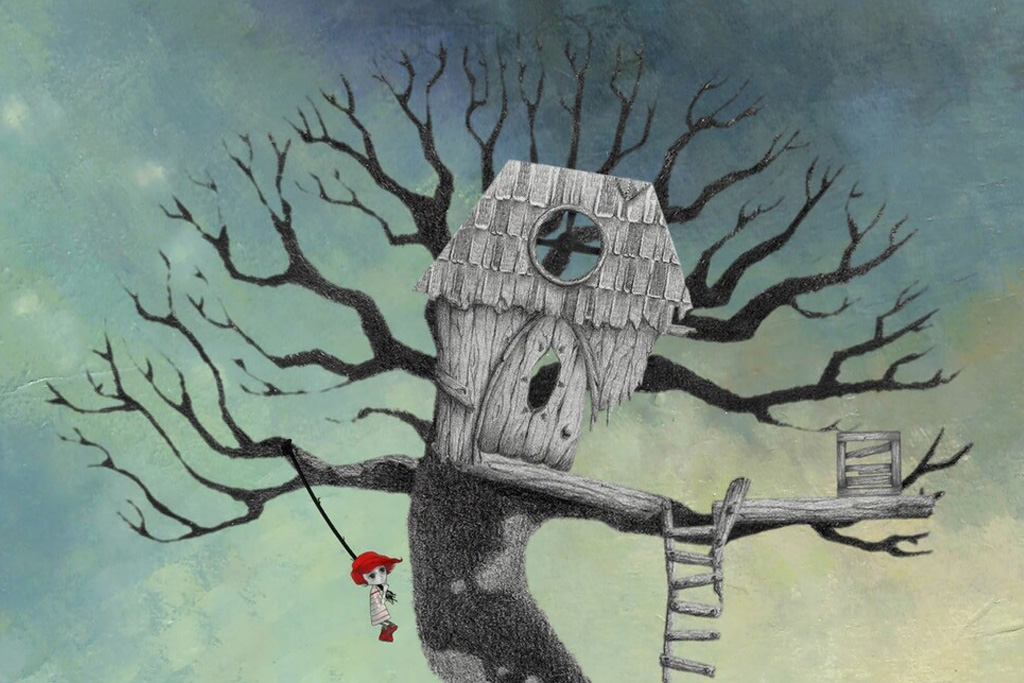
It would be misleading to reduce Unleaving to a checklist of features. Yet at its mechanical heart is a familiar template: 2D side-scrolling navigation, platforming, and object interaction. Players guide an androgynous child through a sequence of tableau-like scenes, each rendered as a unique, hand-painted frame. Movement and interaction are simple — jump, push, pull, and engage — but the world’s visual grammar is anything but. Puzzles are structural: a misplaced object becomes both impediment and solution, a series of platforms both barrier and path. Fallen limbs, scattered leaves, and geometric obstacles serve as means to block, bridge, or reveal new ground.
Hand-Painted Backgrounds
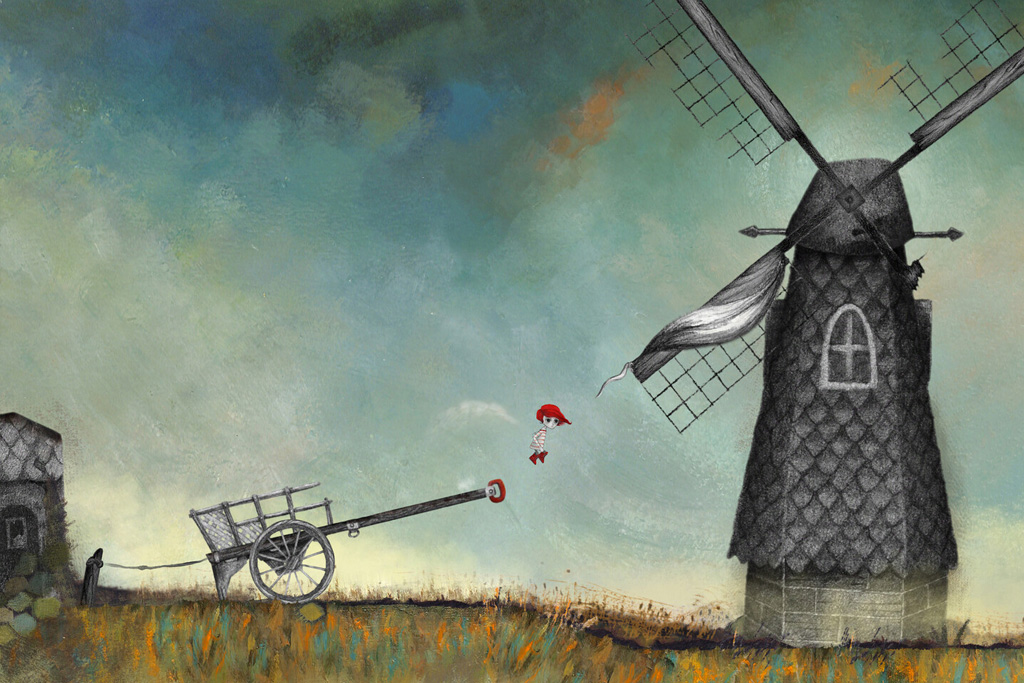
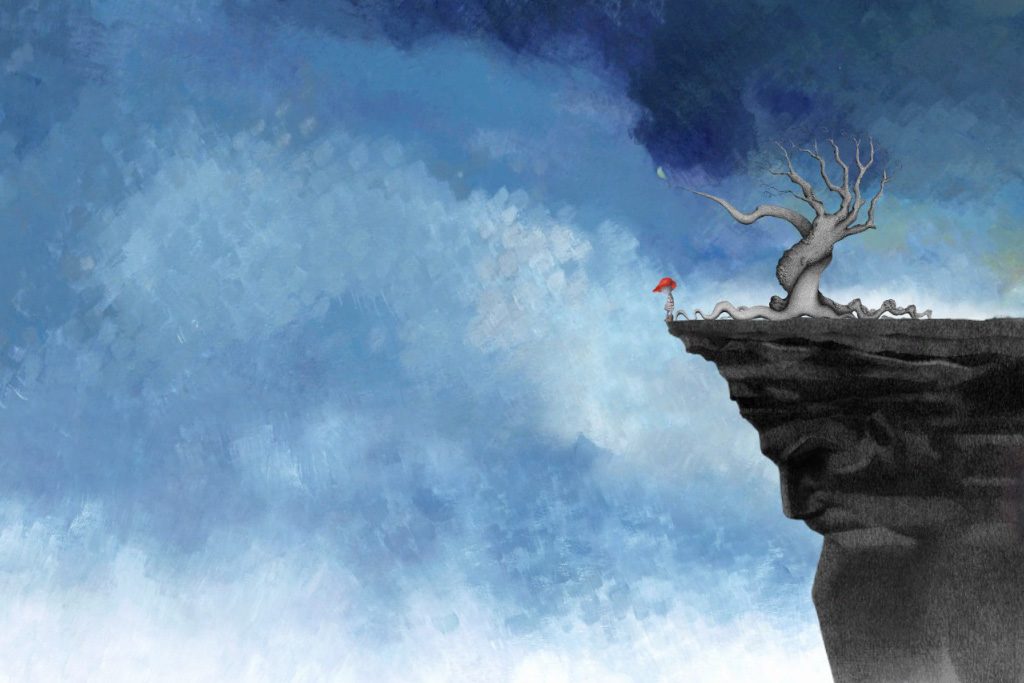
What makes play in Unleaving singular is not the novelty of these mechanics, but the degree to which they are embedded in the landscape as art. Every environment is hand-painted; no background repeats. Scenes were created with a hybrid of acrylics, pencils, and graphite and then scanned frame by frame to produce a living quality — a “painting animation” that visually pulses with subtle shifts in light and color. This technique means that as players traverse the world, they are always encountering a new composition, not variations on a shared asset.
This investment in aesthetic presence carries through the puzzles themselves. In contrast to conventional platformers where challenge is encoded in enemy patterns or time pressures, Unleaving’s puzzles ask for observation and adaptation. Some demand reflexive timing; others require players to consider spatial relations between their avatar and environmental features. When progression falters, a built-in hint system offers nudges without revealing solutions, an approach that acknowledges frustration as part of the journey rather than an error state to be punished.
Short but Heartfelt Experience
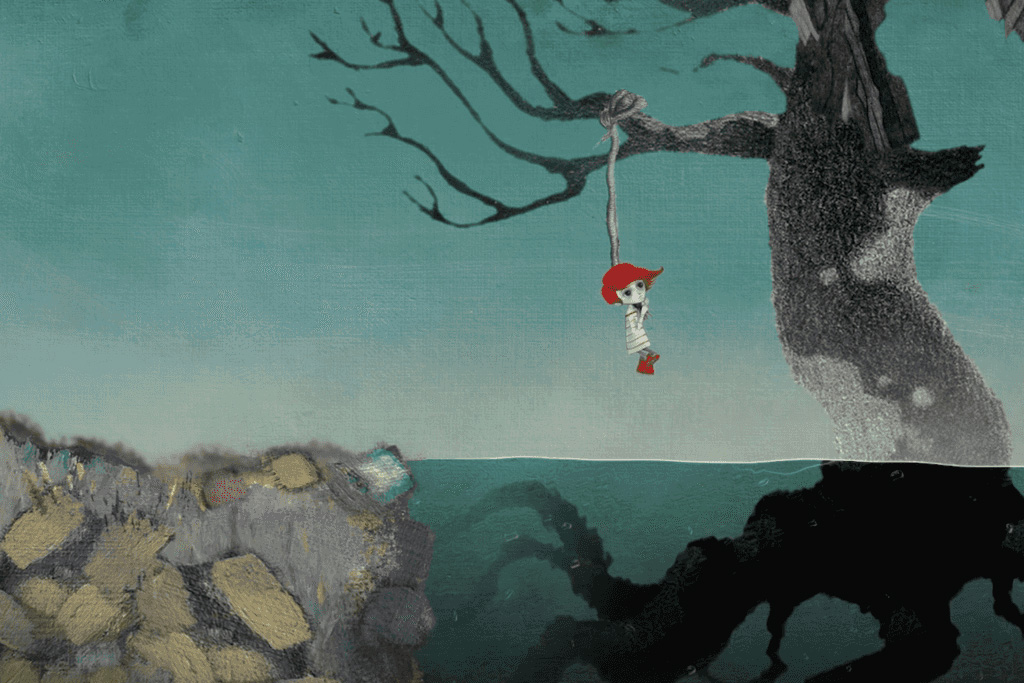
Thematically, Unleaving occupies a territory that straddles the introspective and the existential. The child protagonist’s journey through forests, cliffs, and abstractions is more an excavation of internal terrain than an external quest. The game does not narrate its meanings; it invites them. This is the particular lineage Unleaving claims from games such as Limbo, Inside, or Gris — titles that leverage environmental storytelling to provoke interpretation rather than deliver exposition. Jabur himself has said that they wanted puzzles and art to be guided by narrative impulses that “unfold” rather than enforce linear story beats.
The decision to render Unleaving as a series of hand-created illustrations links it directly to traditions outside video games: impressionist painting, experimental animation, and even fine art’s commitment to the unique object. It is rare for a game to treat every frame of its world as an original artwork. The result is that movement itself becomes a form of viewing, and solving a puzzle becomes an act of interpretation.
Unleaving tests the boundaries of what players might expect from a puzzle platformer. It is at once familiar in its controls and deliberate in its pacing; conventional in its mechanics yet unconventional in its presentation. What it asks of players is not mastery, but presence: to look closely, to inhabit its textures and shadows, and to consider why a leaf might fall and what it might mean for those who watch it descend.
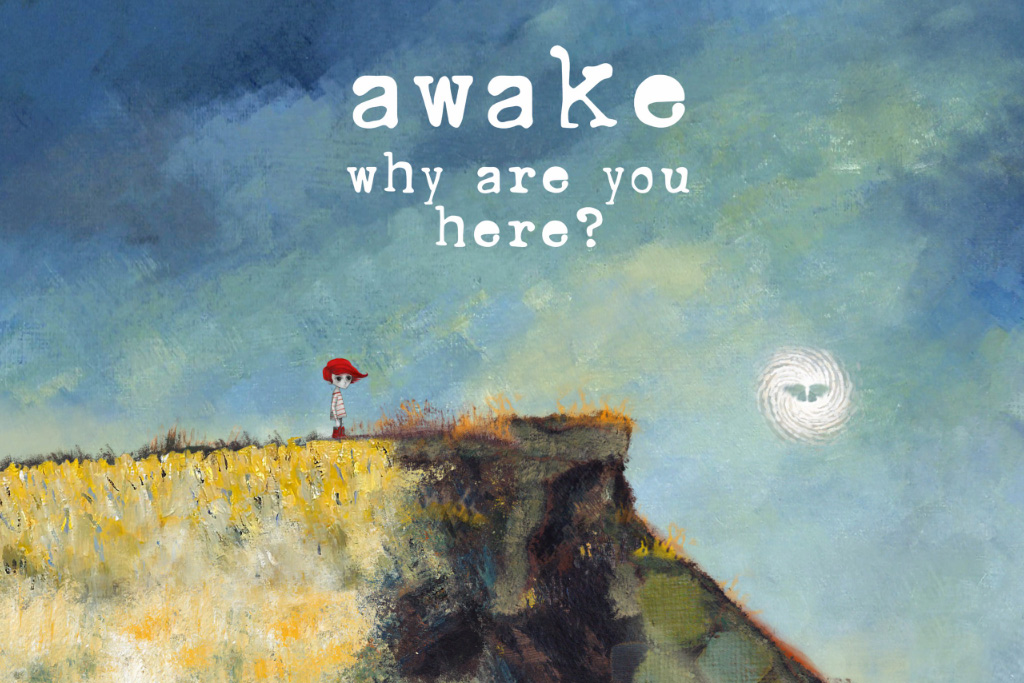
Unleaving Player Experience by Oliver
Our resident teenage journalist and in-house video game expert shares his feelings on this title:
Unleaving is not a video game in my opinion, but rather an art showcase, telling a story. The main protagonist is a girl with red hair. She has no name, but you control her in the story. Unleaving is a game about environmental storytelling, puzzles, and platforming. Most of the scenery and objects, and pretty much everything looks like it was made in watercolor paint. The game experience was a struggle at some parts but it’s really fun when you get to see the abstract art across the entire game, and how everything comes together. It’s also built with a physics engine, as some puzzles in the game require you to use it to your advantage.
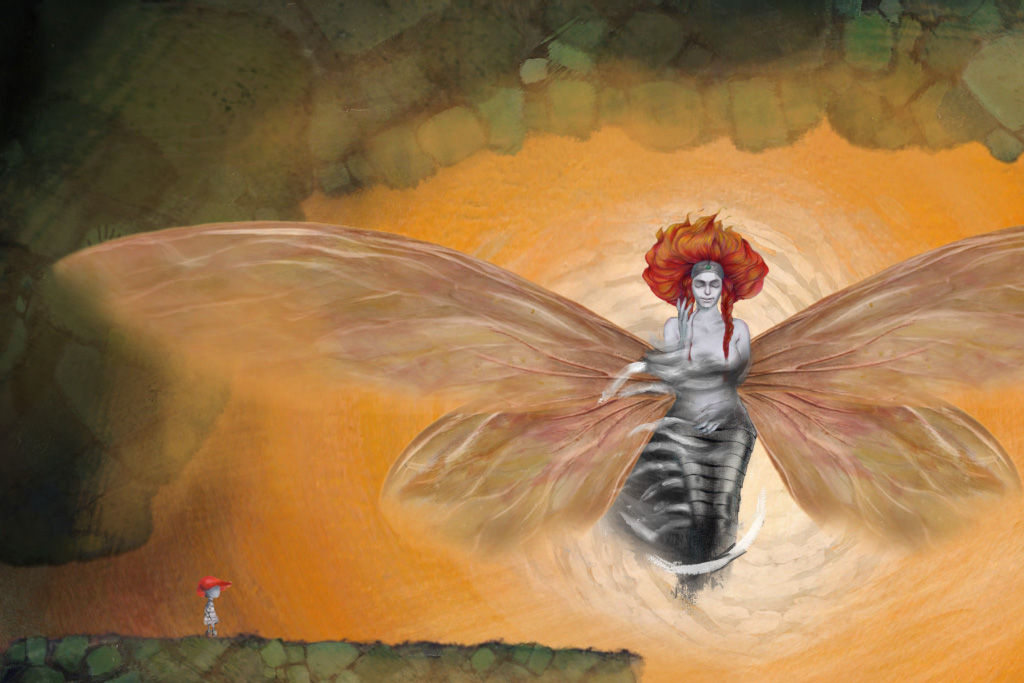
The game itself is creative. The game delivers the story and plot using puzzles that require some thinking and usually take multiple attempts to complete. The artwork is sometimes part of the puzzle, as solutions can sometimes be hidden in plain sight. This is shown in the first puzzle, where you are given a cart that has a rope attached to a pole, and it tricks you into thinking that’s the goal. When in reality, the goal was to use the cart in another way. There are more puzzles that require small hints for you to find, and most of the time it’s an answer you didn’t know was there. That’s my favorite part about Unleaving. It has simple mechanics, but has advanced puzzles.
The scenery feels special. When walking from puzzle to puzzle, or from one area to another, there is the paint-like background that flows and makes Unleaving special. It’s almost an art gallery more than a video game. An interactive story, too. I have not completed the game, but I have gone through most of it. Despite the amazing artwork and puzzles, it feels like it could use a bit more story or dialogue. But the game is amazing as an indie title and an art showcase.
TL;DR Amazing visuals, good gameplay, good puzzles, great audio, decent plot.