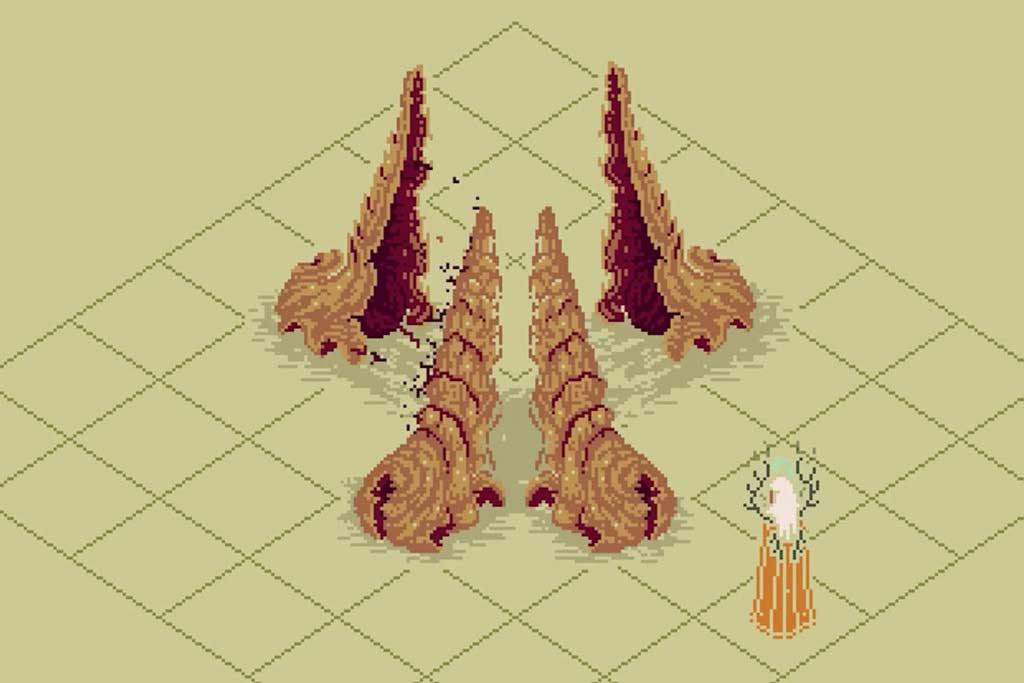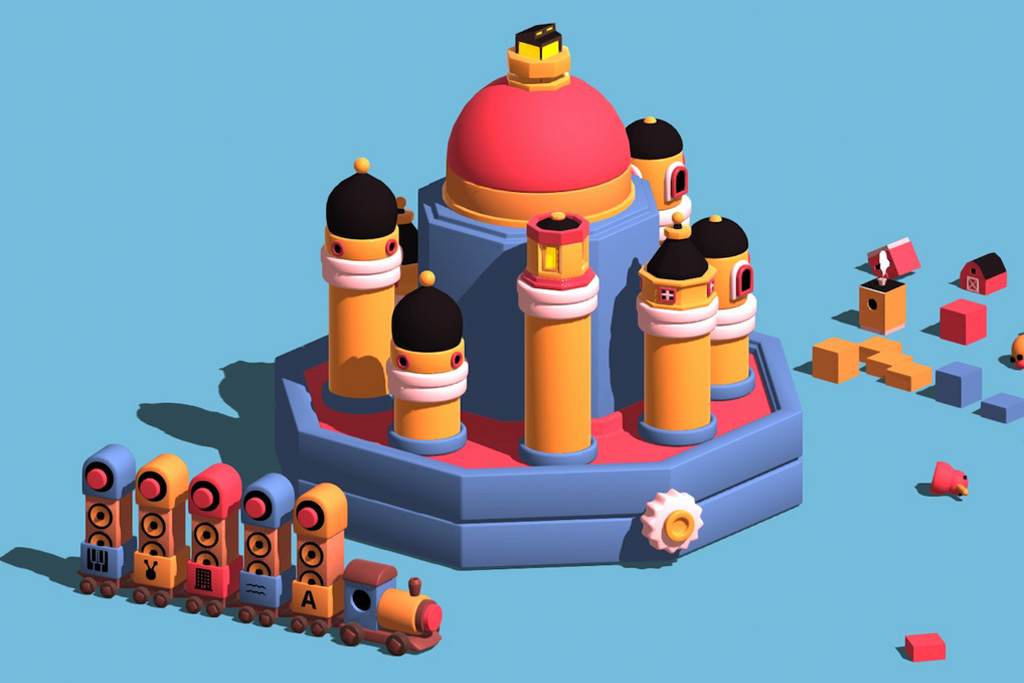
In an era where digital music production often feels like a sterile exercise in data entry—characterized by complex spreadsheets and intimidating walls of knobs—a small collective from Northern Germany has unveiled a radical alternative. Released on August 15, 2024, by developers Sven Ahlgrimm and Mathilde Hoffmann, ODDADA is a vibrant, tactile “musical playground” that disguises a sophisticated generative sequencer as a collection of children’s toys. Rather than navigating the steep learning curves of professional software, users are invited into a serene, tile-based landscape where they assemble colorful houses, guide tiny trains, and interact with mechanical wildlife to construct rhythmic and melodic loops. This “roguelite” composition tool does more than just simplify music-making; it fundamentally shifts the creative process from technical labor to intuitive play, making it as accessible to a curious five-year-old as it is to a professional sound designer seeking a spark of spontaneity.
A Design Born of Serendipity
The genesis of ODDADA was not a deliberate attempt to build a music tool. In early 2020, Ahlgrimm, a programmer and artist, began experimenting with a minimalist wave system on a tile-based landscape. He watched as virtual ripples triggered responses from tiny houses.
“I didn’t intend to turn this into a music game at first,” Ahlgrimm reflected on the early prototypes. “But the way the wave moved the houses started to remind me of the piano roll interface… ODDADA has no obstacles, puzzles, or real challenges. It is a game that makes music-making playful, easy, and wondrous.”
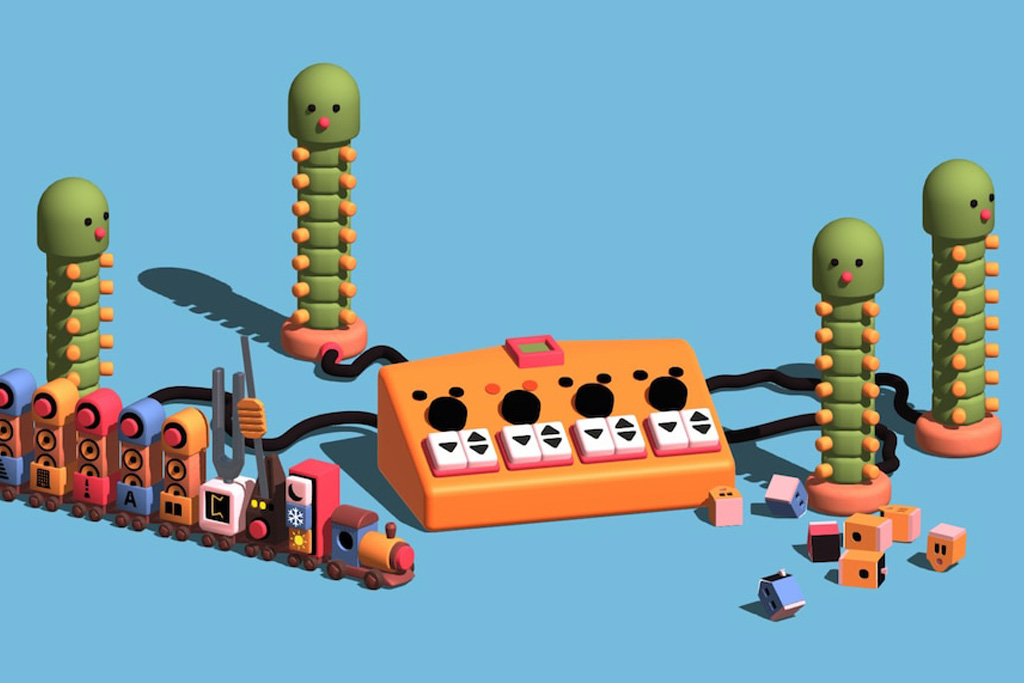
Joined by sound designer Mathilde Hoffmann and audio programmer Bastian Clausdorff, the team refined a tactile language for sound. In ODDADA, rhythm is not a metronome; it is a mechanical bird hopping on a wire or a “rhythmic crab” clapping its claws. Melody is not a MIDI sequence; it is a series of “melodic worms” weaving arpeggios.
The Mechanics of the “Musical Widget”
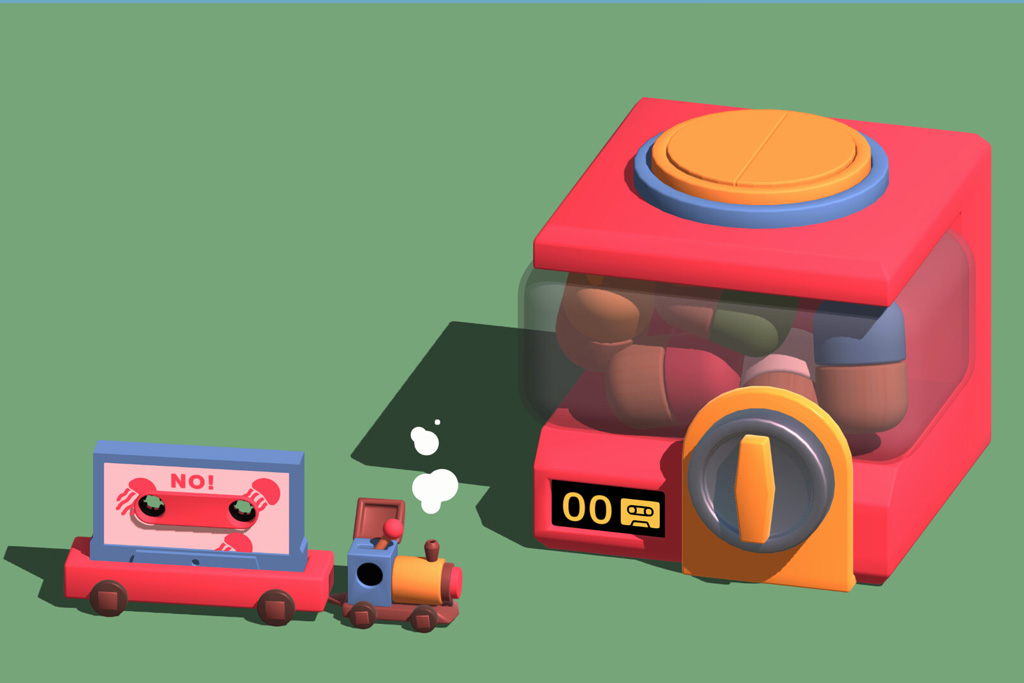
ODDADA functions less like a digital instrument and more like a curated ecosystem of sonic “widgets.” While a traditional synthesizer presents a user with a naked oscillator, ODDADA’s widgets contain pre-baked musical logic.
-
The Grid System: Most widgets operate on a tile-based grid where placement determines pitch and timing. Unlike a static MIDI grid, these are dynamic; a passing wave determines the tempo, and the distance between buildings determines the rhythm.
-
The Randomization Logic: Because ODDADA is a “roguelite,” the widgets encountered are randomized. This forces a “constrained creativity” that professional sound designers often seek to break creative blocks.
-
The Performance Finale: The final stage acts as a live looper. The six loops collected are mapped to a visual interface where players toggle tracks and adjust volumes, mimicking a live electronic performance without the high-stakes pressure of professional hardware.
Pedagogy and Play: Benefits for Children and Education
The application occupies a rare middle ground, serving distinct demographics with varying intent. For children, the software acts as an intuitive introduction to the logic of cause and effect. Because the game’s scale systems are curated to remain harmonic, children explore without the fear of dissonance.
“We see it as a ‘musical playground,'” the team stated. “In a playground, you don’t have a manual. You just start pushing things to see what happens. That is how children learn, and we believe that is how adults should be allowed to make music, too.”
Educators have integrated ODDADA into curricula for sonic spatial reasoning. In classrooms, teachers report that the “stress-free” environment—free of high scores or failure states—allows students who struggle with traditional instruments to engage in sophisticated rhythmic exercises. Its predictable harmonic scales and tactile feedback have also made it a favorite within neurodivergent advocacy groups for providing a safe sensory environment.
The Professional’s Sketchpad and Licensing Reality
Professionals are turning to ODDADA as an “ideation engine.” The foley-inspired samples provided by Hoffmann offer a texture often missing from digital synthesizers. However, a critical question of intellectual property remains: Who owns the music?
According to the developer’s official licensing terms, songs generated in ODDADA are licensed under Creative Commons Attribution-NonCommercial 4.0 (CC BY-NC 4.0). Commercial use of the raw audio—such as monetized soundtracks or selling exported .wav files—is prohibited.
“We have this license to protect content creators,” the developers explain. “Due to ODDADA’s pattern-based music creation, it can happen quickly that two songs share similar melodies and sounds. This prevents situations where streamers or reviewers might face content ID claims.”
There is a legal path for professionals: If a musician recreates the melodies and loops generated in ODDADA using different sounds and external software, that new composition becomes their own property. In this sense, ODDADA functions as a “compositional prompt.”
The Philosophy of “Tactile Digitalism”
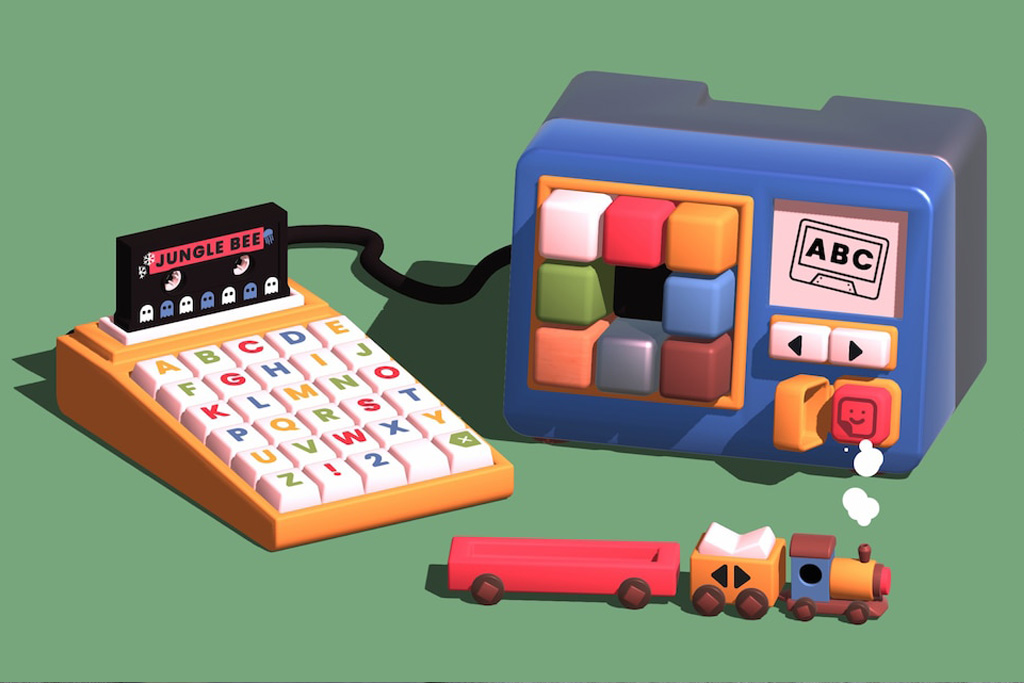
At its core, ODDADA investigates how we interact with technology. In an era where music is often made by looking at spreadsheets, Ahlgrimm and Hoffmann have re-introduced the “hand-crafted” feel to the digital realm.
“We wanted to create a space where you don’t have to be a musician to feel like one,” Hoffmann noted. “The sounds are designed to feel ‘hand-made,’ like you’re touching wood or metal, even though it’s all digital.”
By turning the landscape into a canvas and the machine into a companion, ODDADA proves that the most complex symphonies sometimes begin with the simplest of toys.