A New Wave of Horror From Latin America
Over the past decade, a group of Latin American writers has pushed horror out of the decorative and into the civic. This new movement is less concerned with noises in the dark than with what already fills the day—gendered violence, class contempt, ecological collapse, state terror, and the body treated as contested ground. Their work argues for the gothic, the grotesque, the uncanny as serious tools for social witness. Critics and scholars have started to name this turn explicitly,linking it to a broader Latin American gothic/noir/horror surge led by women writers, with translations amplifying the reach.
In a decade shaped by climate anxiety, rolling back of reproductive rights, mass displacement, and a digitally accelerated cruelty that turns private harm into public spectacle, these writers feel like an indicator of the social changes that have happened worldwide over the past 20 years. Their fiction tracks what it costs to inhabit a body—female, poor, brown, young, desired, disposable—inside institutions that promise safety while quietly administering risk. From that angle, horror stops being escapist and starts behaving like realism with the lights turned down. Here are a few of our favorite authors who are re-shaping the horror genre:
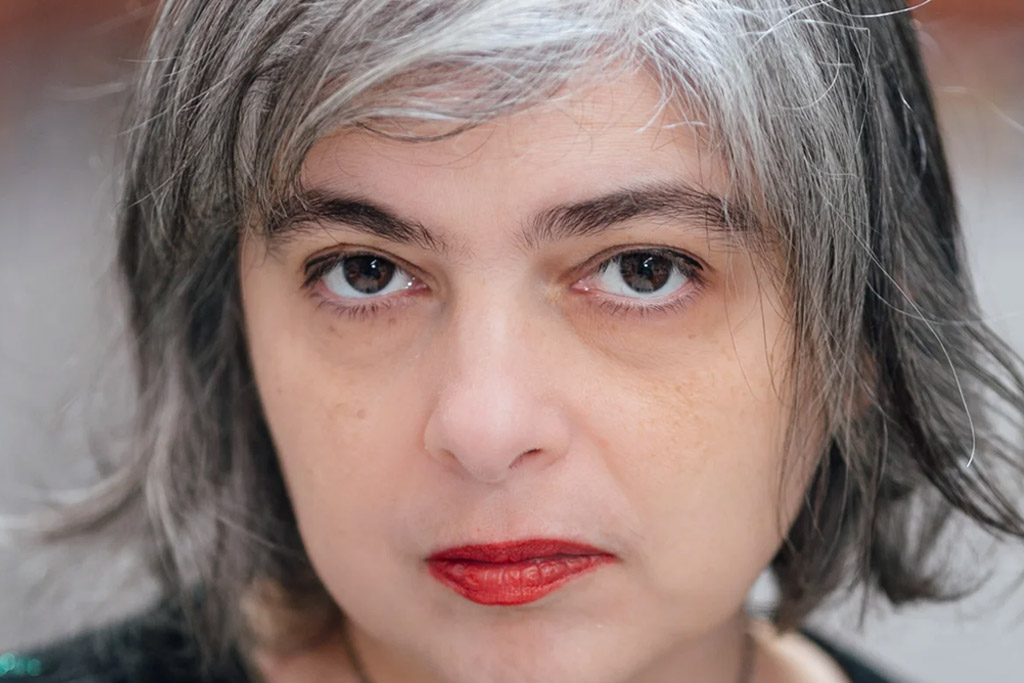
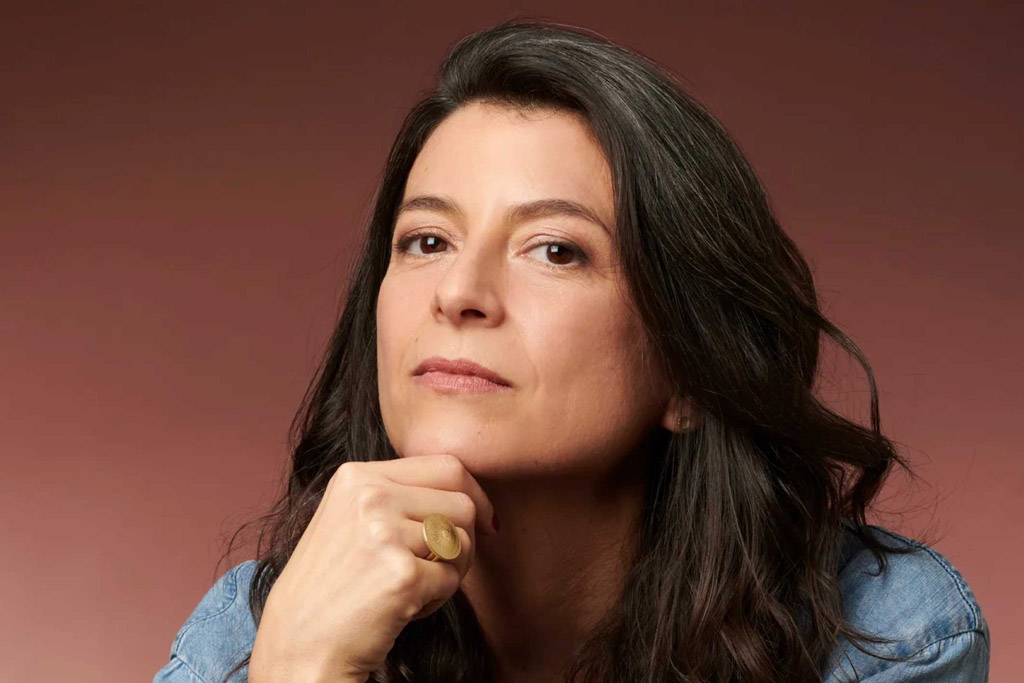
Mariana Enríquez
Mariana Enríquez writes as a reporter of the haunted present: Buenos Aires streetlight glare, political afterimage, and the intimate creep of institutions that outlive their victims. She is an Argentine novelist and journalist, and English-language readers have met her through Things We Lost in the Fire, The Dangers of Smoking in Bed (trans. Megan McDowell) and the novel Our Share of Night. These are books that treat horror as a way to speak about history’s residue without sanding it into allegory. Her sentences keep their nerve and she lets the macabre sit beside the mundane until it starts to feel like a single climate. For a good starting point, try Things We Lost in the Fire. In this collection of short stories she builds dread through voice, atmosphere, and social detail rather than plot tricks.
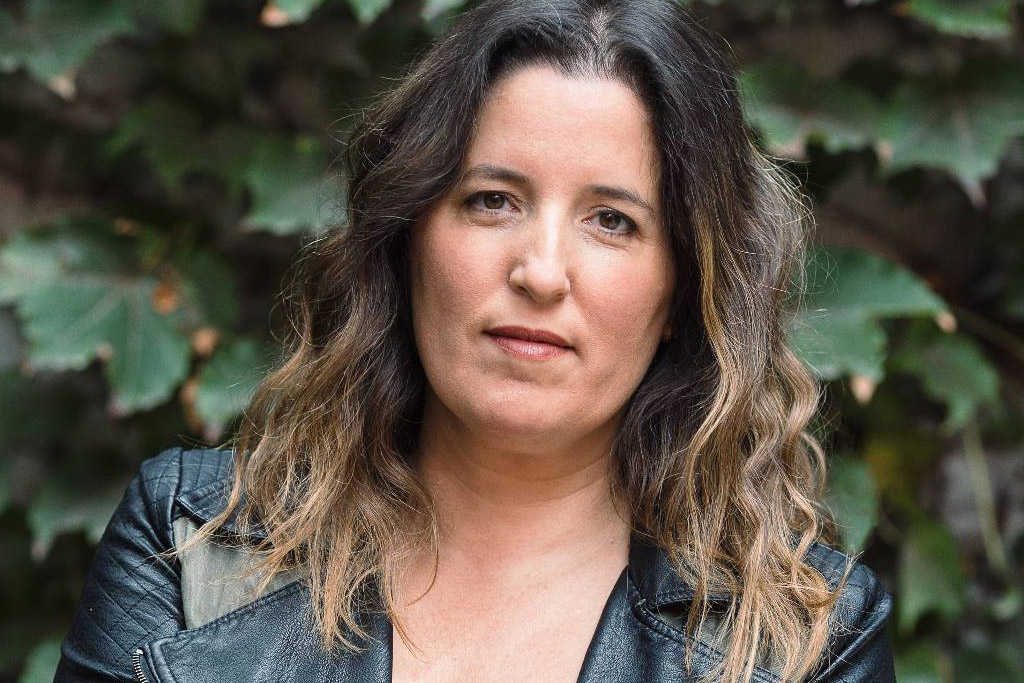
Samanta Schweblin
Samanta Schweblin works in a different register—cooler, sleeker, more surgical—where dread arrives as a form of attention. An award-winning Argentine writer now based in Berlin, she is one of the central figures in contemporary Spanish-language uncanny fiction, in part because she makes the strange feel like a plausible extension of ordinary life. Her short novel Fever Dream (trans. Megan McDowell) earned major international notice, including shortlist recognition from the International Booker Prize. The book displays her signature control: tight structure, psychological pressure, and an atmosphere that never relaxes into comfort. If Enríquez gives you city smoke and cemetery air, Schweblin gives you sterile light and the panic under it.
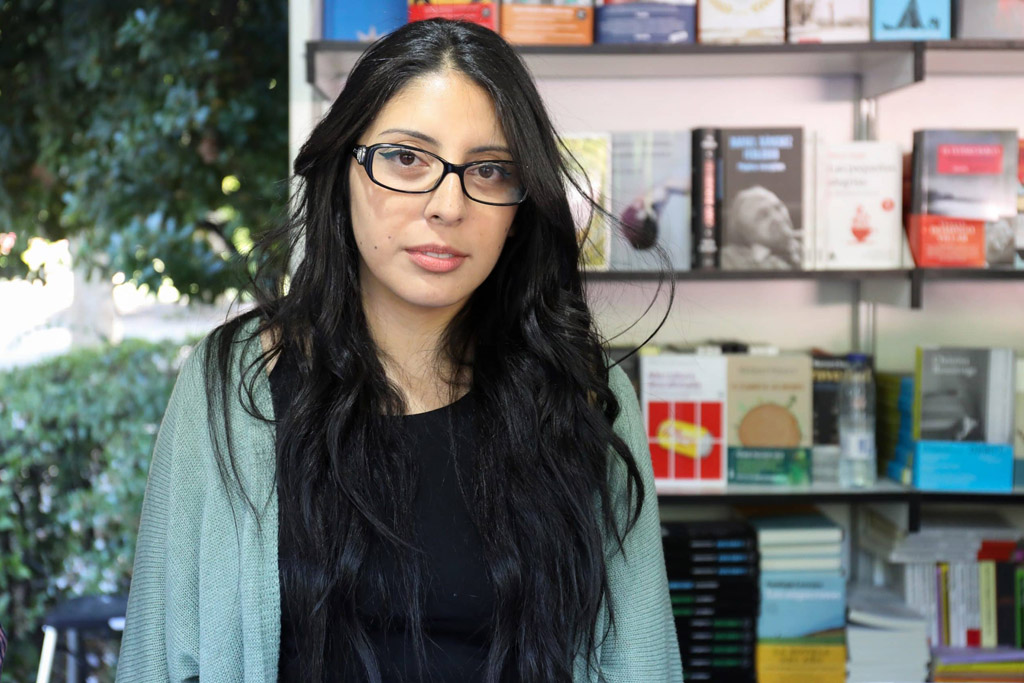
Agustina Bazterrica
Agustina Bazterrica writes horror with a moral and material bite: systems, markets, appetites—how people rationalize the unthinkable once it becomes policy. Her breakout English-language novel, Tender Is the Flesh (trans. Sarah Moses), arrived through Pushkin Press (UK) and Scribner (US) and quickly became the book people recommend with a wince: not because it relies on twists, but because it refuses to look away from what societies permit when convenience and profit win. The novel’s reputation rests on its steadiness—how calmly it considers the commodification of bodies and the language that makes cruelty sound administrative. It also won Argentina’s Premio Clarín de Novela (2017), which helps explain why it reads like a provocation with literary rigor behind it.
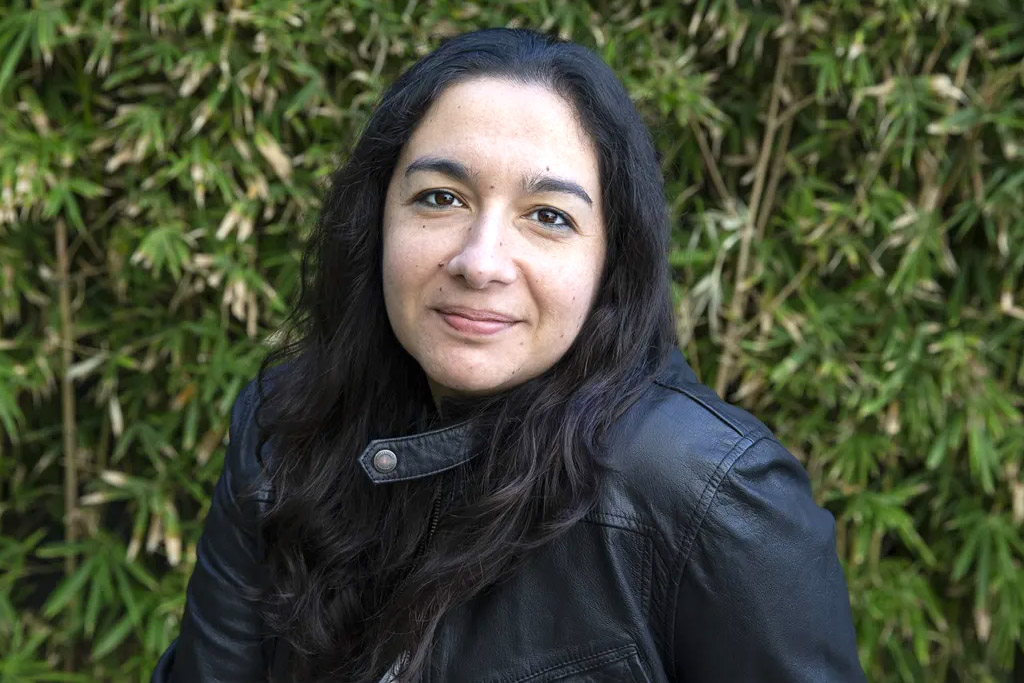
Mónica Ojeda
Mónica Ojeda brings a lyric intensity to horror—bright, feverish, intellectual—where the monstrous often wears the face of belief: faith, obsession, admiration, the hunger to belong. She is an Ecuadorian writer whose novel Jawbone (Mandíbula, trans. Sarah Booker) appeared in English from Coffee House Press in 2022, and it shows her taste for charged language and for the ways young women get narrated—by families, schools, religions, and by their own private mythologies. Ojeda’s interviews and translator conversations underline her interest in violence as something that travels through story and desire, not just through events; she builds fear as a kind of chorus, with voices that rub against each other until they spark. Start with Jawbone if you want horror that feels both feral and formally exacting.
Fernanda Melchor
Fernanda Melchor writes with a reporter’s stamina and a novelist’s ferocity: long-breath prose that drags you through the social weather of a place—poverty, misogyny, superstition, cruelty—without granting the reader a clean moral balcony. Born in Boca del Río, Veracruz in 1982, she has worked as a journalist as well as a fiction writer, and her novel Hurricane Season (trans. Sophie Hughes) became her first English-language breakout, earning major international attention, including an International Booker Prize shortlist placement. Melchor’s horror rarely depends on the supernatural; it comes from accumulation—voices, rumor, rage, the way a community can normalize brutality until it feels like background noise. If this “new wave” has a book that reads like a civic emergency rendered in literature, Hurricane Season is a strong candidate.
Argentina’s New Narrative Inside the Horror Renaissance
Journalists sometimes file Enríquez, Schweblin, and Bazterrica under the “new Argentine narrative” (nueva narrativa argentina), a catchall term for writers who came to prominence after the 2001 economic crisis. These writers gained prominence for experimenting with voice and form while refusing to treat dictatorship-era trauma and neoliberal fallout as “background.” It’s not a separate horror movement so much as an Argentina-specific slice of the same larger Latin American dark turn—a regional renaissance in which women writers have used the gothic, the uncanny, and the grotesque to make contemporary power readable. In this article, Enríquez, Schweblin, and Bazterrica sit at that Argentine node; Ojeda (Ecuador) and Melchor (Mexico) belong to the wider Latin American surge rather than the Argentina-centered label, though they share its preoccupations with bodily autonomy, violence as structure, and the social life of fear.
The Uncanny as Reportage
What links these writers is a shared refusal: they won’t treat women’s fear as a private neurosis, or violence as an isolated event, or “the dark” as entertainment safely sealed off from daylight. Their books argue—formally, politically, and with craft—that horror is one of the most honest modes available right now.
Recommended Starting Points
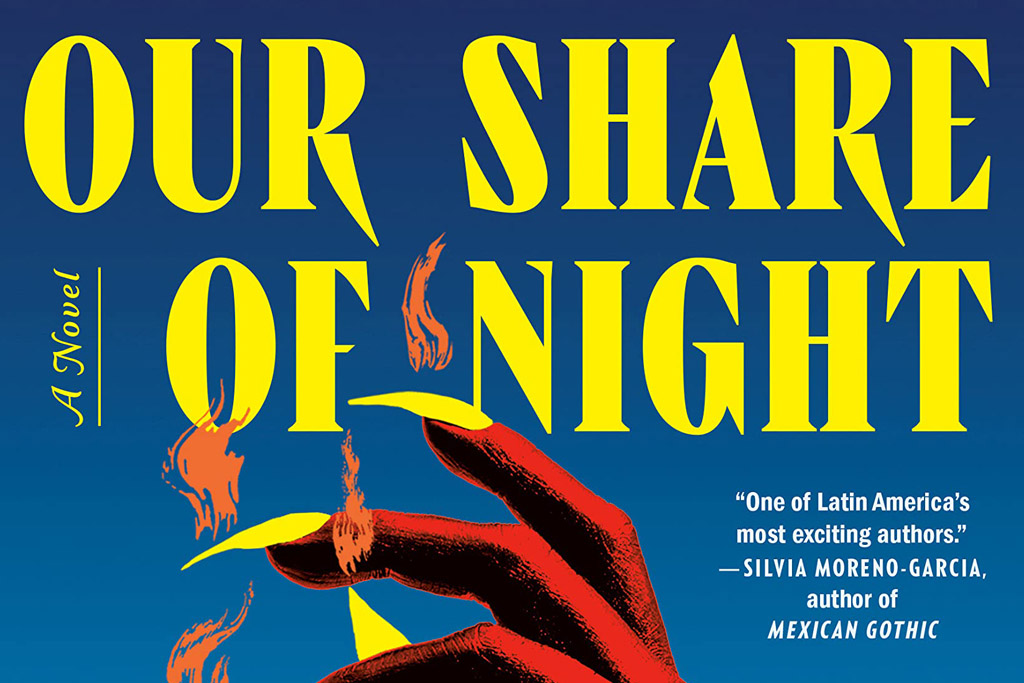
Mariana Enríquez — Our Share of Night
A big, atmospheric novel that blends family history with dread that feels historical, not decorative. Enríquez writes with a journalist’s eye for power and a goth’s instinct for pressure, keeping the mood tense even in ordinary rooms.
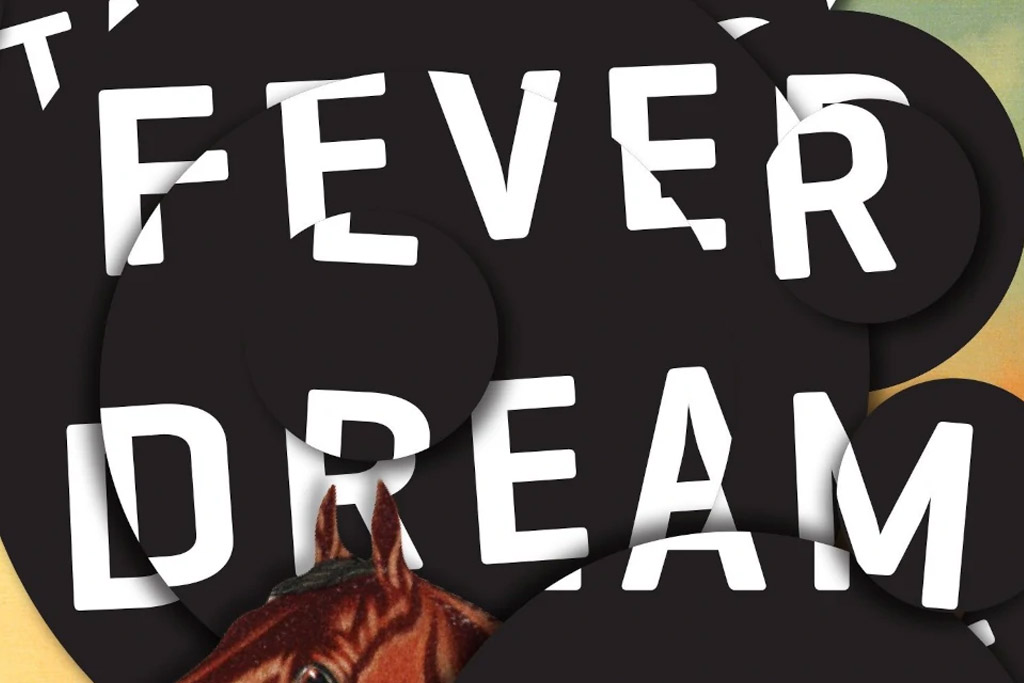
Samanta Schweblin — Fever Dream
A tightly controlled, unnerving short novel that moves with the speed of a bad premonition. Schweblin’s prose stays spare and lucid while the unease keeps widening at the edges.
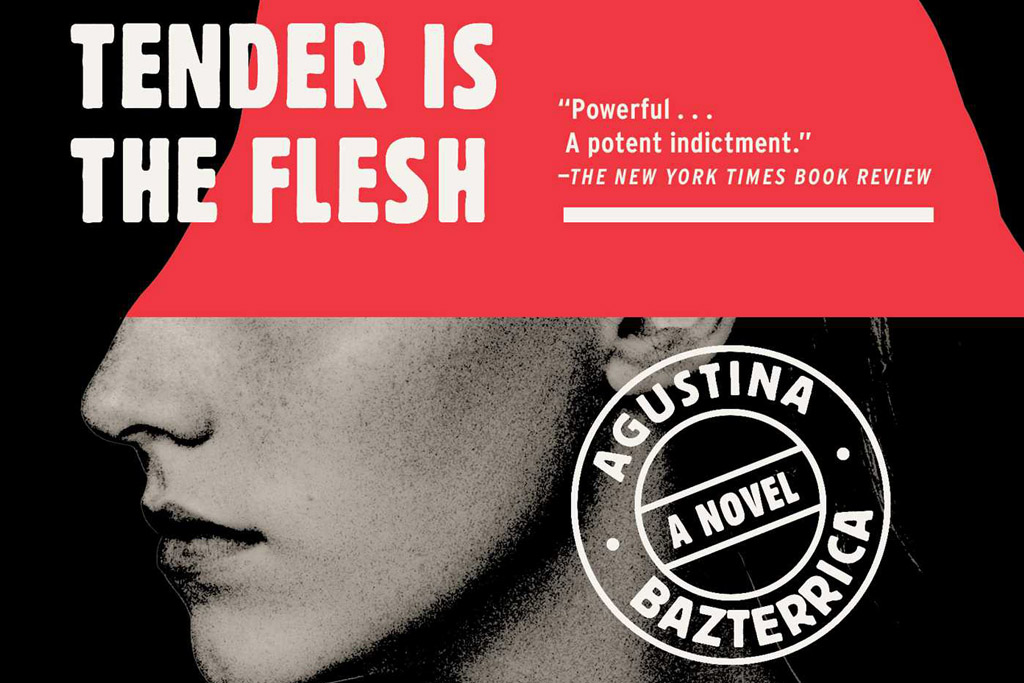
Agustina Bazterrica — Tender Is the Flesh
A stark, confrontational dystopian horror novel that reads like a moral stress test. Bazterrica’s calm tone does the damage, showing how language can make brutality sound procedural.
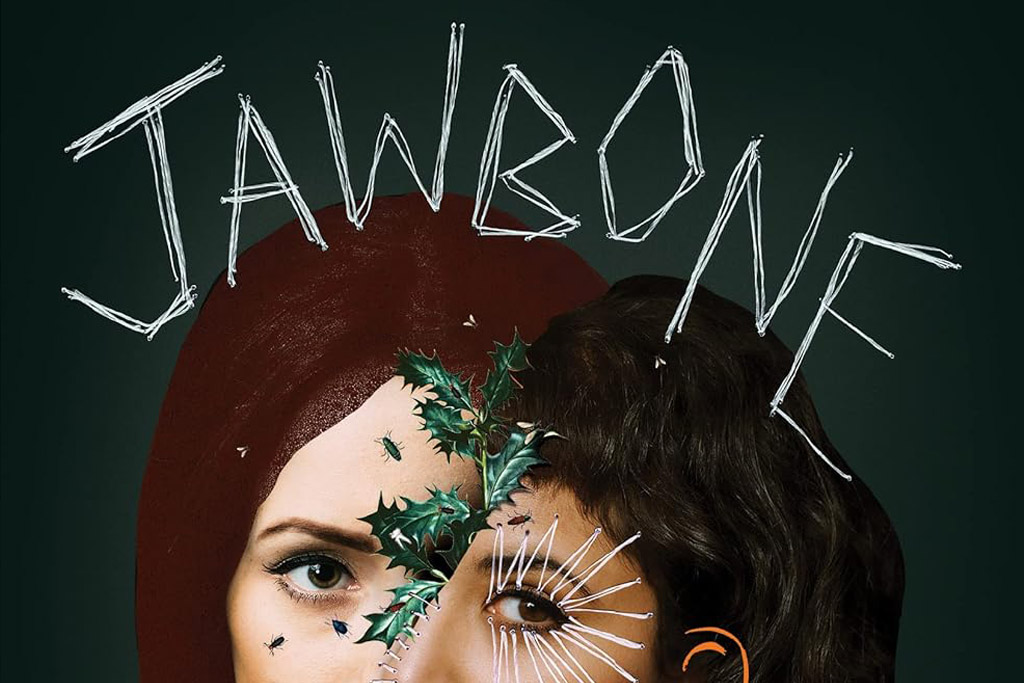
Mónica Ojeda — Jawbone
A feverish, lyrical novel that digs into girlhood, obsession, and the stories people use to survive confinement. Ojeda’s voice is bold and intelligent, with menace that rises through language as much as atmosphere.
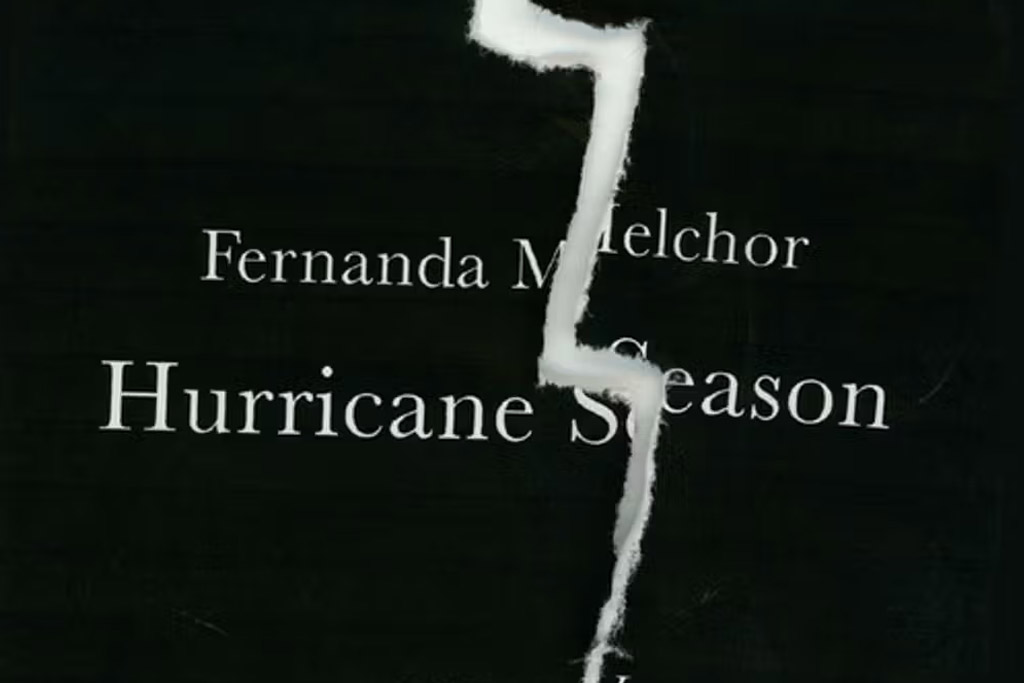
Fernanda Melchor — Hurricane Season
A relentless, voice-driven novel that turns a community’s tensions into a suffocating emotional climate. Melchor writes with muscular intensity, making the everyday feel volatile without needing anything supernatural.