Blame the weather, politics, or the news cycle this month: this roundup of books is dark. Things feel a bit bleak in February 2026 and I’ve been trying to get my head around the aggression of the world by reading things that resonate with uneasy emotions. Agustina Bazterrica, Mariana Enriquez, and Marcus Kliewer take us into dark fictional worlds. Yes, I am still on a Latin-American horror kick. Something feels special about the literature coming from this part of the world lately. Here’s what I’m reading in February 2026:
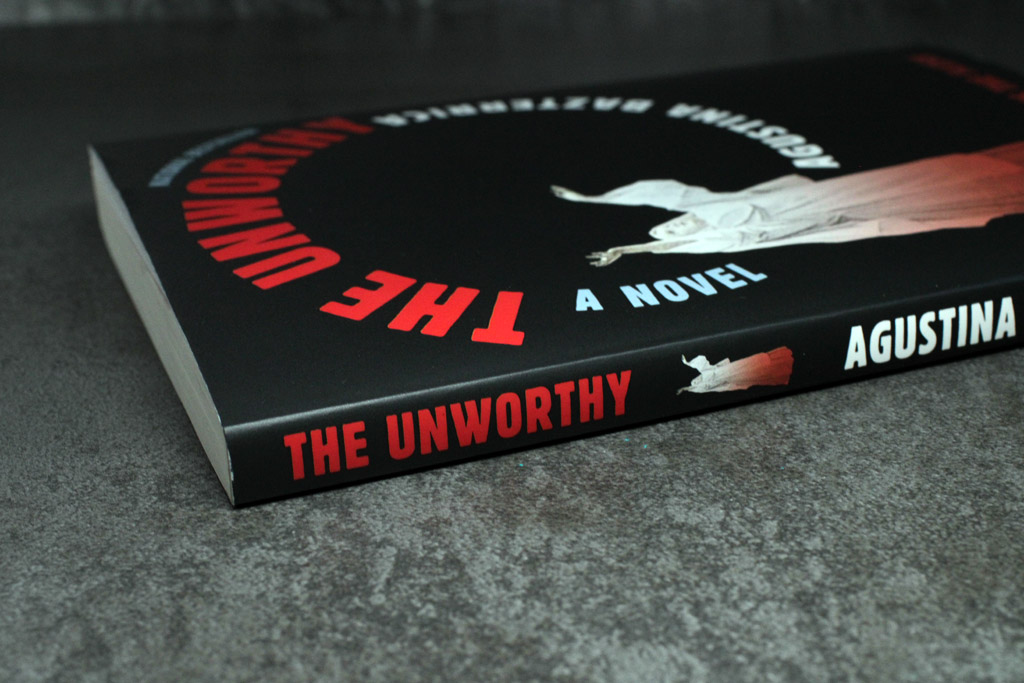
The Unworthy by Agustina Bazterrica
Agustina Bazterrica has become my favorite author of recent months and I can’t get enough of her words. The prose is minimal, explores dark themes, and is often stripped of any indication of how we should feel about characters or events in the stories. What I love most about her writing is a “less is more” approach that weaves discussion with the reader about this process of linguistics. This is highlighted in the prose as the unnamed narrator of The Unworthy explains, “I cried in silence because words can’t capture a sacred moment. What to say when you’re in the presence of something majestic?” This book is a fascinating exploration of the dichotomy between darkness and light, faith and doubt, words and silence. While the story is bleak, there is a thread of hope and love that runs through the book. Interestingly, the word “love” is never mentioned, as Bazterrica explains, “You’ll never find the word ‘love’ in the book. The protagonist never writes the word love, but I think of love… as the most important energy in the world.”
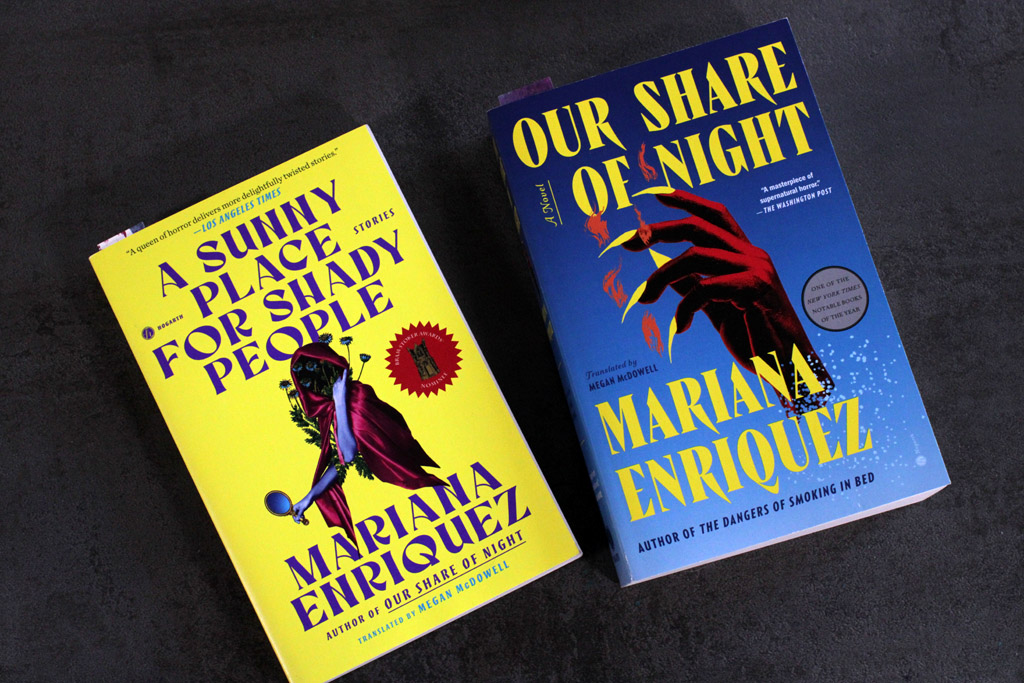
Our Share of Night by Mariana Enriquez
Compared to other Latin American horror authors I have enjoyed lately, Mariana Enriquez took a bit more effort for me to enjoy. Her work is rich with description and a slower burn. As I dug into Our Share of Night, I started to savor the deep fabric of feelings that builds beneath her characters. Our Share of Night is a haunting tale set against the backdrop of Argentina’s Dirty War. The story follows Juan, a powerful medium for a shadowy cult called The Order, which seeks immortality through a terrifying entity known as the Darkness. Following his wife’s mysterious death, Juan goes on the run to protect his son, Gaspar, from inheriting this brutal supernatural legacy.

The Rooftop by Fernanda Trias
The Rooftop is a claustrophobic exploration of fear and isolation. I had a very difficult time with The Rooftop by Fernanda Trías, and I think that was what she set out to do. Of all the horror books I have read in 2026, this one was the most uncomfortable. The story follows Clara, a woman who barricades herself and her daughter inside an apartment to escape an unspecified threat. As her paranoia intensifies, the rooftop becomes the only point of contact with the outside world—a space representing both freedom and a terrifying vulnerability.
I regularly enjoy post-apocalyptic fiction with unreliable narrators, but the undercurrent of ailing physical and mental health in this one was bleak. The book stays away from supernatural themes, and the realness of the situation combined with the paranoia of the narrator creates a claustrophobic feeling similar to what the main character, Clara, is feeling. It is a haunting, minimalist study of how the mind crumbles under the weight of perceived danger. It may be too bleak for me to enjoy as an escape.
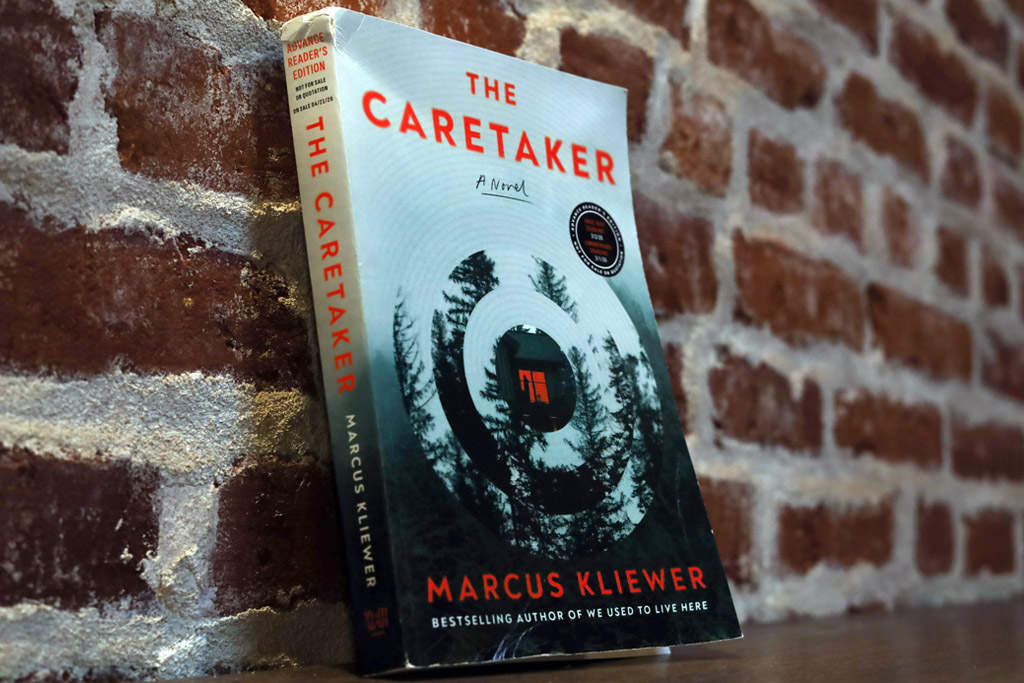
The Caretaker by Marcus Kliewer
I am only halfway through The Caretaker by Marcus Kliewer, but it’s been hard to put down. This is a chilling psychological thriller centered on James, a man desperate to provide for his pregnant wife, who accepts a high-paying job at a remote, luxury estate. His task is simple: maintain the sprawling property during the winter months. However, isolation quickly turns into a nightmare as James discovers the house operates under a set of increasingly bizarre and rigid rules. The Caretaker originated as a viral hit on r/NoSleep titled “We Used to Live Here,” and the film rights were swept up in a major deal involving Scott Stuber and Universal Pictures (though Sydney Sweeney is currently attached to the adaptation of Kliewer’s other work, The Caretaker film remains highly anticipated). So far, it’s a fun ride.
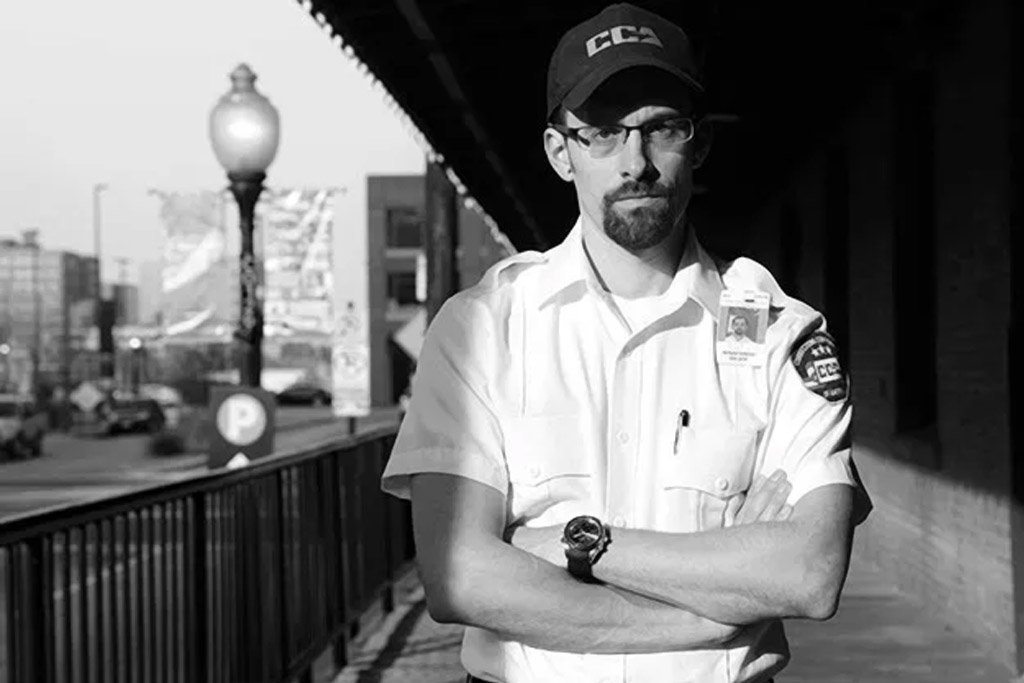
This fascinating book by Shane Bauer—subtitled A Reporter’s Undercover Journey into the Business of Punishment—brings an investigative journalist inside the walls of a privately run prison in Louisiana. The result is a page-turner that combines firsthand experiences, investigative journalism, corporate espionage, and a history of how we got to this point. This book is downright depressing. It will make you mad. The published book resulted from an article that Bauer wrote for Mother Jones in 2016 when he applied to be a prison guard for Corrections Corporation of America (CCA).
“I started applying for jobs in private prisons because I wanted to see the inner workings of an industry that holds 131,000 of the nation’s 1.6 million prisoners. As a journalist, it’s nearly impossible to get an unconstrained look inside our penal system. When prisons do let reporters in, it’s usually for carefully managed tours and monitored interviews with inmates. ” – Shane Bauer

Alive by Piers Paul Read
Like many other horror lovers I enjoyed Yellowjackets and wanted to know if it was based on a true story. As it turns out, the more gruesome and less paranormal parts of the narrative were taken from Alive, a book written by Piers Paul Read. This harrowing non-fiction account of a rugby team crashing in the Andes mountains and surviving for 72 days in 1972 is a gripping story that is not for the squeamish. I read the whole thing in an afternoon and would recommend it to anyone interested in tales that test the human condition. Facing extreme starvation and brutal weather, the survivors reached a desperate moral and physical crossroads. There is a spiritual thread that runs through this book—from clairvoyant mystics to devout Catholics—which leaves hope for the human condition in the face of suffering.
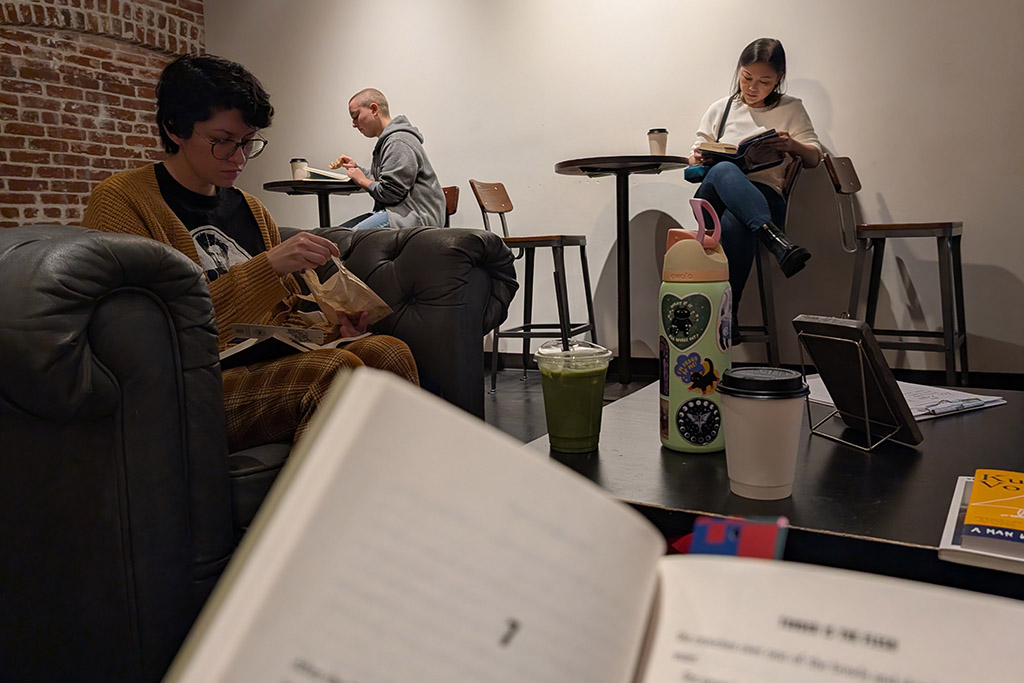
Join our Silent Book Club
Do you live in Orange County? If you like to read and hang out with other bookish types, we host a monthly Silent Book Club in our area. Sometimes called the “introvert happy hour,” SBC meetups allow chill social experiences around the subject of books. A Silent Book Club meetup usually lasts around two hours. It starts with people arriving and saying hello, followed by an hour of quiet reading. Then for the last 30 minutes we do brief introductions, mention what we are reading and what we thought about the book, and maybe a brief icebreaker question to get to know each other. If you are not in Orange County, you can find Silent Book Club meetups all over the world.