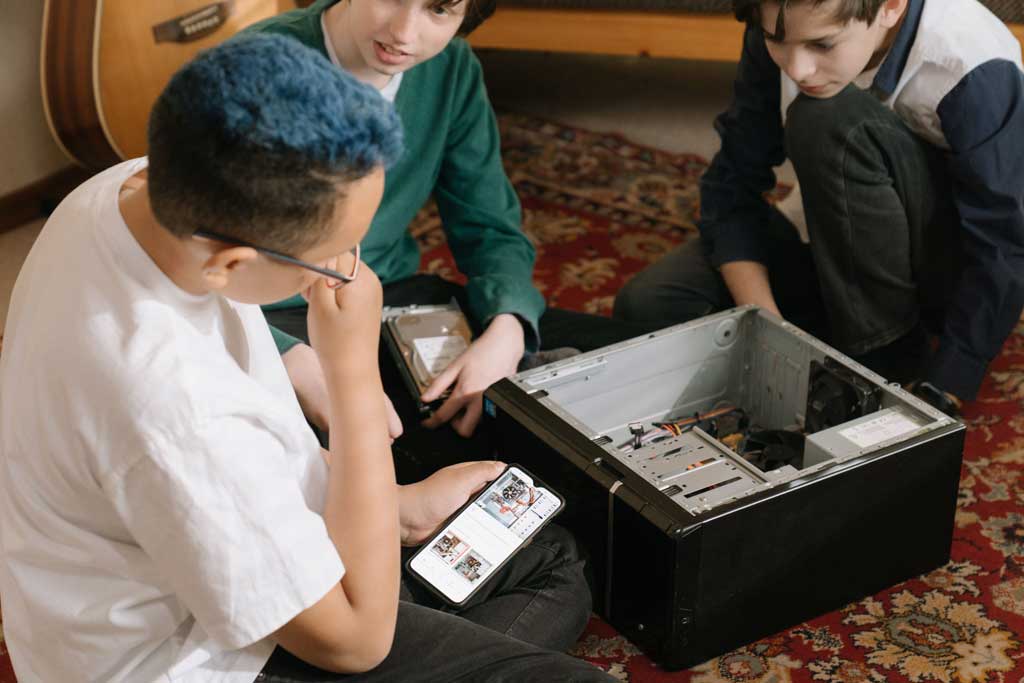
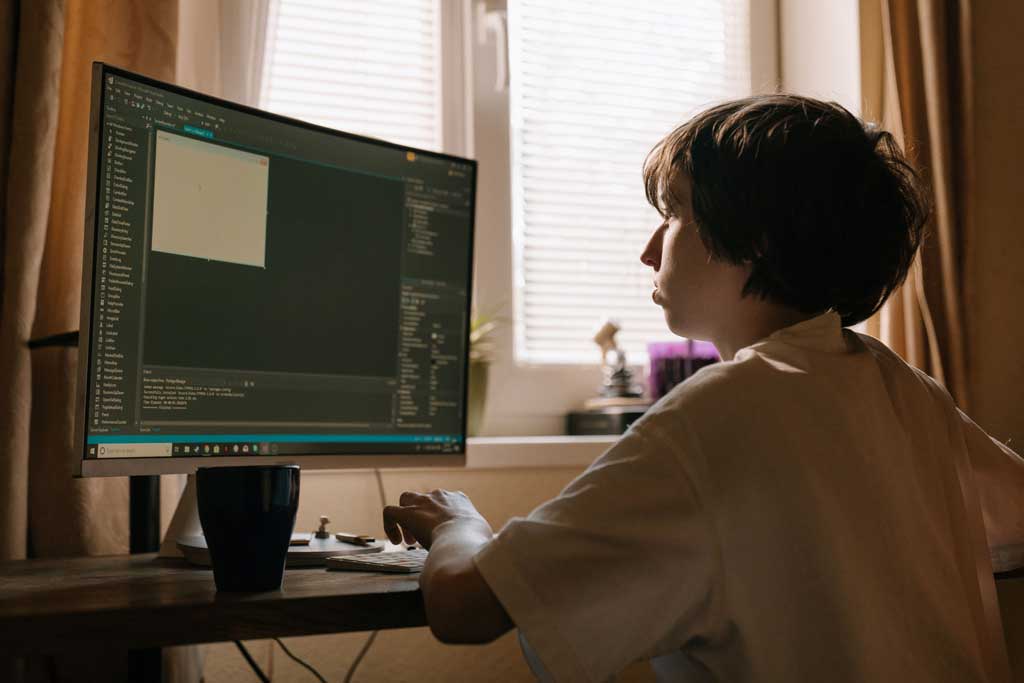
In living rooms and bedrooms across the globe, a quiet revolution is taking place, fueled by caffeine, open-source code, and the allure of high-tech rewards. This summer, tens of thousands of teenagers are bypassing traditional seasonal jobs to participate in the Hack Club Stardance Challenge, an online initiative that transforms raw programming hours into real-world hardware.
Founded in 2014 by teenage programmer Zach Latta, Hack Club has evolved from a localized network of after-school computer clubs into a global nonprofit powerhouse. The organization operates under a radically simple ethos: “You ship, we ship.” If a student builds a technical project and logs their active development time, Hack Club rewards them directly, shipping tangible infrastructure to their doorstep.
A Galactic Partnership
The current iteration of this framework, Stardance, represents the organization’s most ambitious initiative to date. Running from June 1 through September 30, the program features a prominent partnership with NASA, alongside support from industry giants AMD and GitHub.
Participants ages 13 to 18 are given access to public NASA datasets from milestone programs, including the James Webb Space Telescope and the Artemis lunar missions. Students utilize this data to construct anything from data visualization tools and mobile applications to physical circuit boards and space flight simulations.
Tangible Benefits Beyond the Screen
For parents navigating the annual dilemma of summer screen time, Hack Club Stardance offers a definitive shift from passive consumption to active, rigorous creation. The educational benefits extend far beyond syntax fluency.
By forcing participants to document their code and share their progress within a global peer-review community of over 100,000 teenagers, the platform fosters critical thinking, problem-solving, and collaborative professional skills.
“Teaching a kid to code is about more than giving them desirable skills that our economy values,” noted tech educator Joe Watson in a recent analysis of the movement. “It is about empowering them to use their agency to solve the tough, real-world challenges they will face.” Furthermore, the program democratizes elite technical education. It requires zero financial investment from families and demands no prior programming experience, providing structured guides to shepherd absolute beginners into competent developers.
The Economy of the ‘Hour’
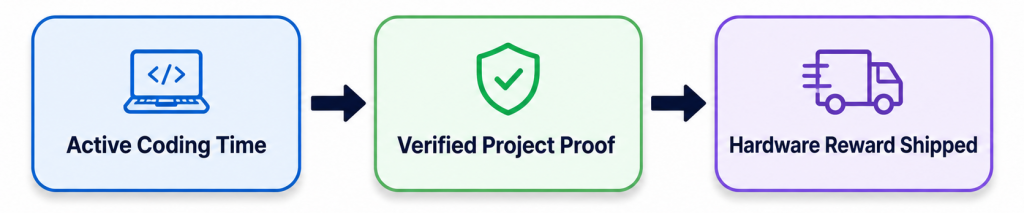
What truly distinguishes Stardance from traditional educational platforms is its unique internal economy. Hack Club has engineered a meritocracy where the only accepted currency is focused effort. Every hour tracked on the program’s verified timer yields rewards, incentivizing long-term project dedication.
The prize catalog deliberately avoids cheap gimmicks or standard gift cards, focusing instead on items that expand a young maker’s technical capabilities. Lower-tier thresholds yield microcomputers like the Raspberry Pi Zero 2 W, digital calipers, or curated video games.
As students deepen their commitment and log substantial hours, they unlock high-caliber gear:
Bambu Lab 3D Printers for mechanical prototyping.
Pinecil Soldering Irons and custom circuit board grants.
Framework Laptops, awarded to elite participants who ship consistent weekly software iterations.
Grand prize winners this season even earn the opportunity to interface directly with NASA astronauts during exclusive virtual Ask-Me-Anything sessions.
By turning summer vacation into an open-ended engineering laboratory, Hack Club is proving that when you treat teenagers like capable engineers rather than passive students, they will build the future—one line of code at a time.
Frequently Asked Questions about Hack Club Stardance
Hack Club Stardance is a free, global summer coding program for teenagers aged 13 to 18. Participants build independent technical projects—such as apps, websites, games, or hardware—and log their active coding hours to earn real-world technology prizes.
How much does it cost to participate?
Participation is completely free. Hack Club is a 501(c)(3) nonprofit organization funded by donations and corporate partnerships, meaning there are no hidden fees, tuition costs, or subscription requirements for families.
Do kids need prior coding experience to join?
No previous programming experience is required. The platform provides beginner-friendly guides, open-source resources, and a supportive community of peer mentors to help absolute beginners ship their very first coding projects.
What kinds of prizes can participants win?
Students earn rewards based on the verified hours they spend coding. Prizes are curated to expand a student’s engineering capabilities and include: Entry-Level: Raspberry Pi Zero 2 W microcomputers, specialized video games, and digital calipers. Mid-Tier: Pinecil smart soldering irons and custom circuit board manufacturing grants. High-Tier: Bambu Lab 3D printers, Framework modular laptops, and exclusive virtual meetings with NASA astronauts.
How does Hack Club verify that kids are actually coding?
Students track their active development time using a specialized open-source timer tool. To claim rewards, participants must routinely submit video proof of their working project milestones and share their open-source code repositories for peer review.
What is the relationship between Hack Club and NASA?
For the Stardance initiative, Hack Club partnered with NASA to give teenagers access to public datasets from high-profile space programs, including the James Webb Space Telescope and Artemis lunar missions. Students use this real-world data to build space-themed software and physical hardware simulators.
To provide the best experiences, we use technologies like cookies to store and/or access device information. Consenting to these technologies will allow us to process data such as browsing behavior or unique IDs on this site. Not consenting or withdrawing consent, may adversely affect certain features and functions.
Functional
Always active
The technical storage or access is strictly necessary for the legitimate purpose of enabling the use of a specific service explicitly requested by the subscriber or user, or for the sole purpose of carrying out the transmission of a communication over an electronic communications network.
Preferences
The technical storage or access is necessary for the legitimate purpose of storing preferences that are not requested by the subscriber or user.
Statistics
The technical storage or access that is used exclusively for statistical purposes.The technical storage or access that is used exclusively for anonymous statistical purposes. Without a subpoena, voluntary compliance on the part of your Internet Service Provider, or additional records from a third party, information stored or retrieved for this purpose alone cannot usually be used to identify you.
Marketing
The technical storage or access is required to create user profiles to send advertising, or to track the user on a website or across several websites for similar marketing purposes.