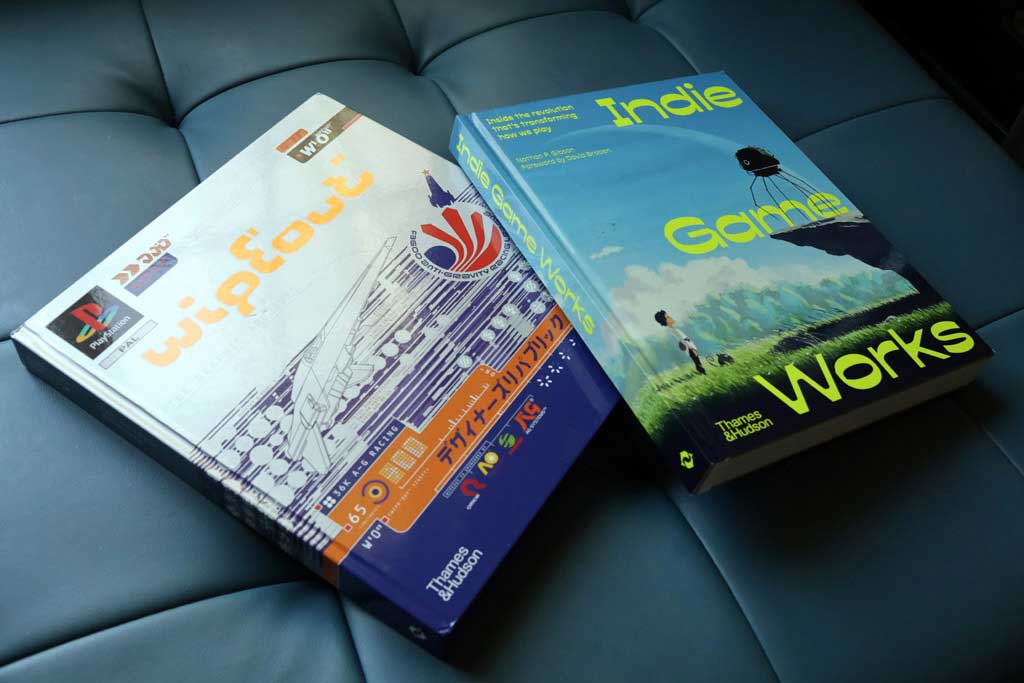
Books about games often matter for reasons that extend beyond gameplay. The most memorable titles reveal how artists, designers, musicians, writers, and small creative teams build worlds that linger long after the screen goes dark. Two recent releases from Thames & Hudson approach that idea from different directions. One excavates the visual legacy of a landmark PlayStation franchise. The other surveys the independent game movement that transformed how games are made, distributed, and experienced. Together, WipEout Futurism: The Graphic Archives and Indie Game Works: Inside the Revolution That’s Transforming How We Play offer a compelling look at video games as design culture.
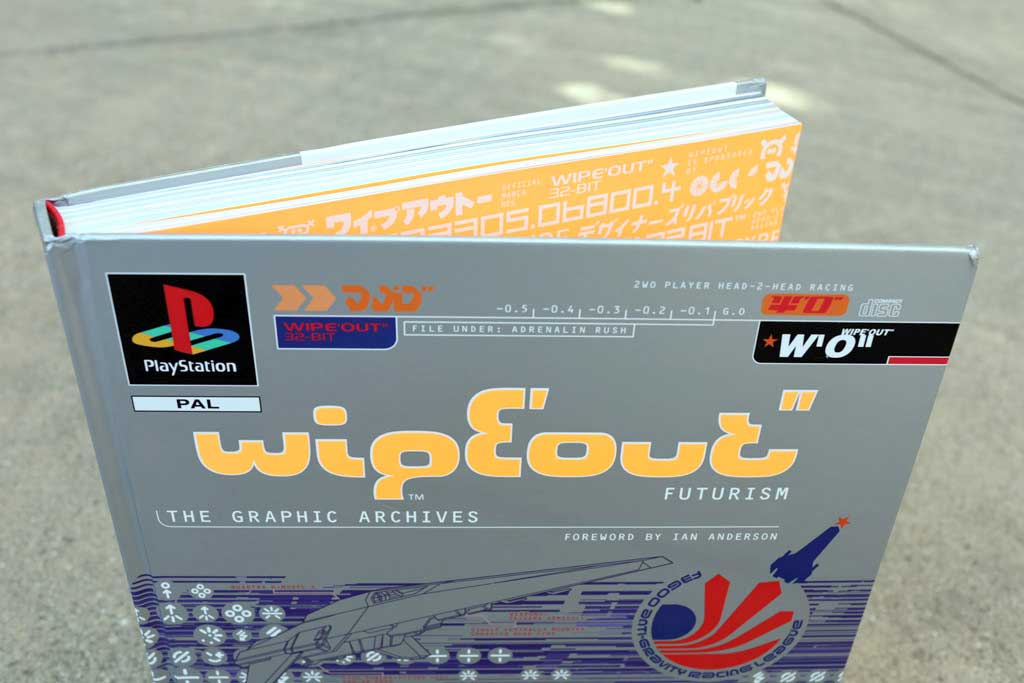
WipEout Futurism: The Graphic Archives
By Duncan Harris, with a foreword by Ian Anderson
Few games from the 1990s captured the imagination of designers quite like WipEout. Released for the original PlayStation in 1995, the futuristic racing series arrived with a visual language that felt imported from another decade. Corporate logos, fictional brands, industrial typography, electronic music culture, speculative architecture, and anti-gravity vehicles merged into a unified vision of the future.
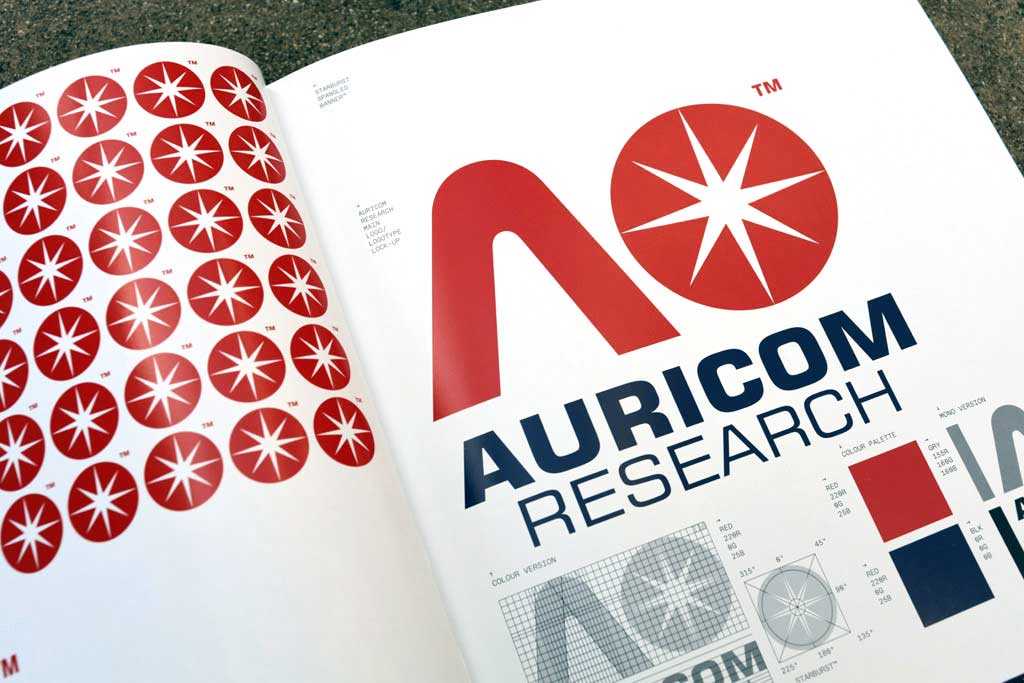
The influence of Sheffield design studio The Designers Republic remains visible nearly three decades later. Their work on WipEout helped establish a visual identity that reached far beyond video games and into graphic design, music packaging, fashion, and club culture. Community discussions among designers still cite the studio’s influence when discussing late-1990s digital aesthetics.
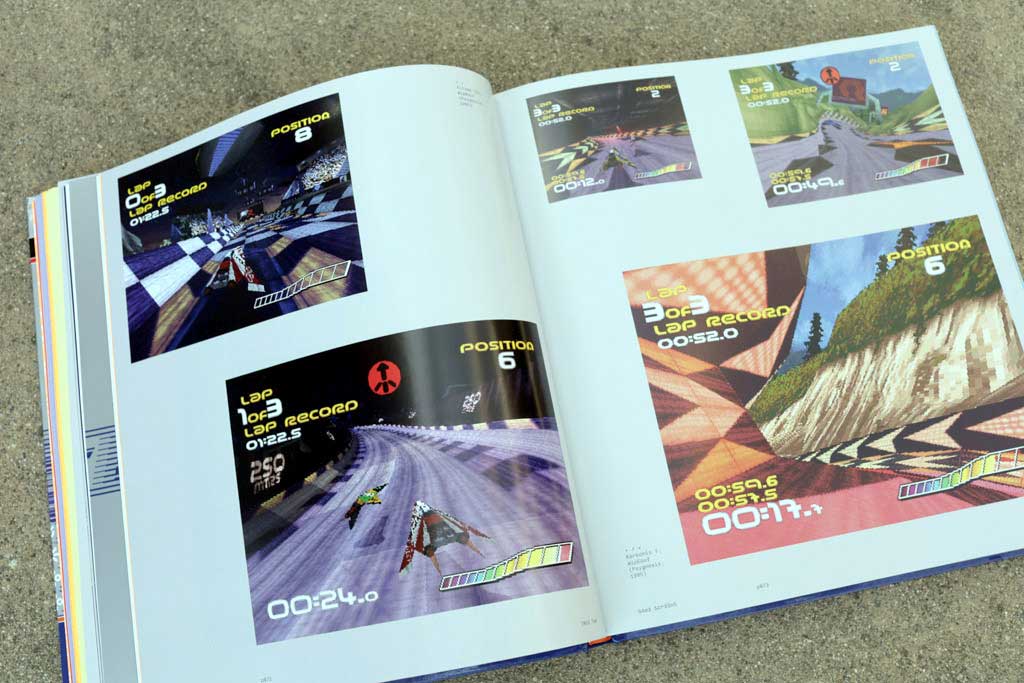
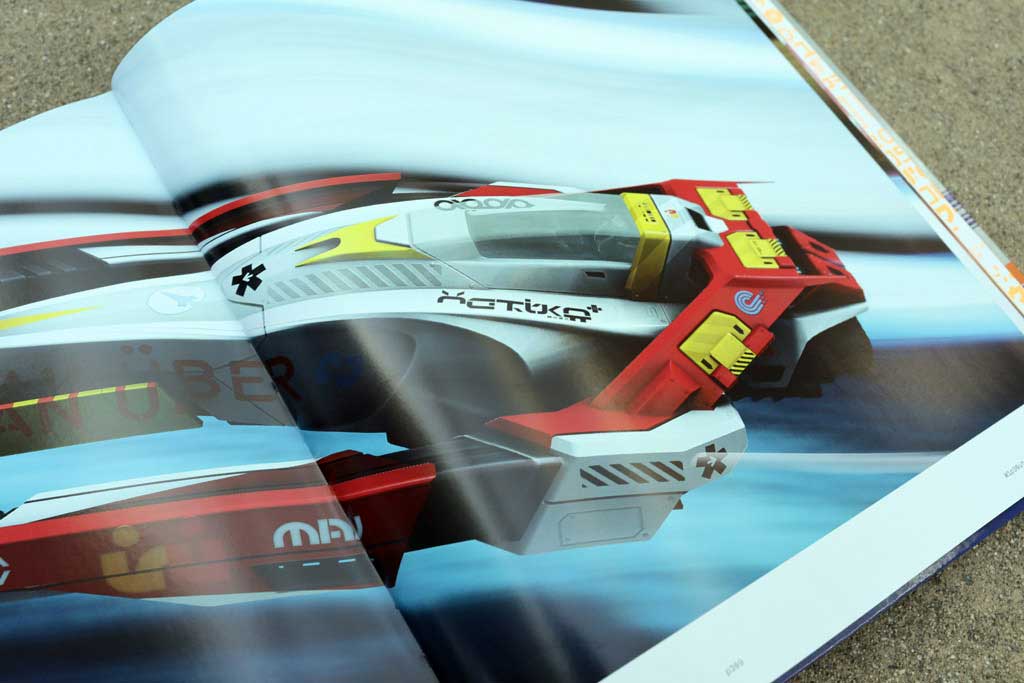
At 320 pages, WipEout Futurism functions as both historical document and art book. Thames & Hudson describes it as the definitive illustrated history of the series, drawing from original concept artwork, promotional materials, development archives, in-game imagery, and previously unseen design work. The book examines the evolution of the franchise from its origins at Psygnosis through its later years, while documenting the visual systems that made the series distinctive.
The book also traces WipEout’s relationship with electronic music. Collaborations with artists including The Chemical Brothers, Kraftwerk, and Orbital helped establish a cultural identity that connected gaming with contemporary design and music scenes.
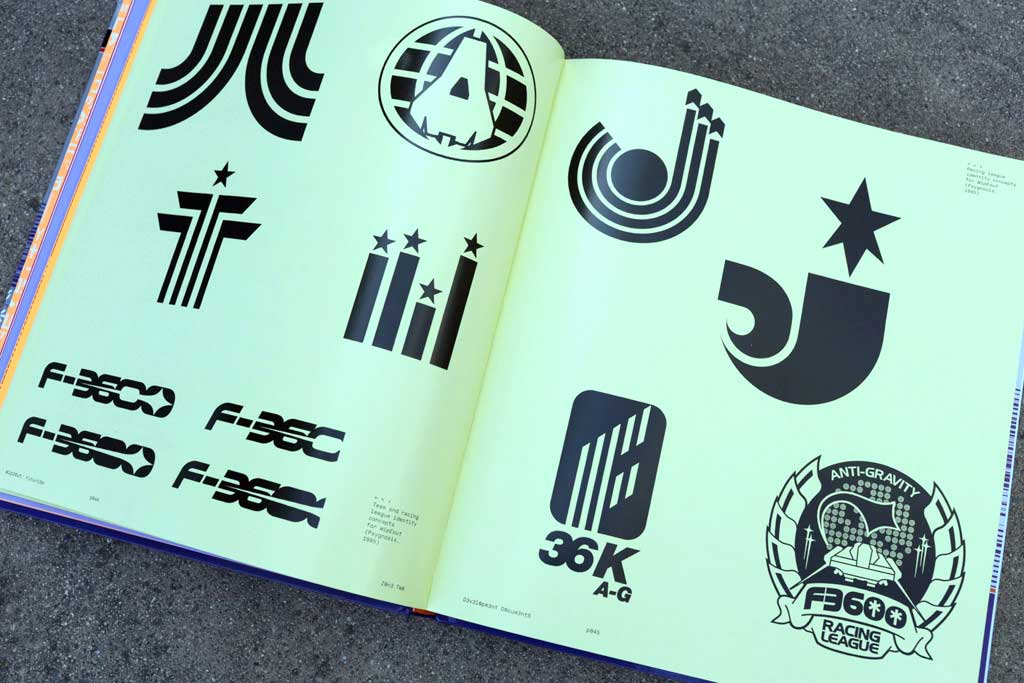
For photographers, graphic designers, and artists, this is the sort of volume that rewards slow reading. The layouts invite study. Logos become artifacts. Interface elements become design lessons. The future imagined by WipEout now belongs to history, yet many of its visual ideas continue to feel contemporary.
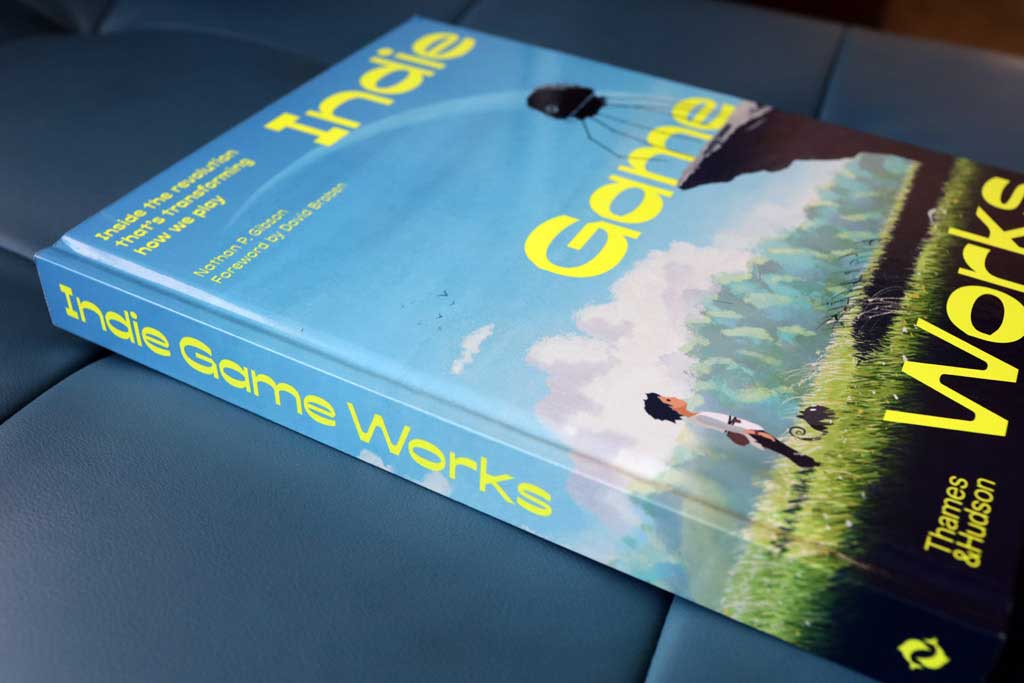
Indie Game Works: Inside the Revolution That’s Transforming How We Play
By Nathan P. Gibson, with a foreword by David Braben
Over the past fifteen years, independent developers have become one of the most important creative forces in games. Affordable development tools, digital distribution platforms, game engines, and online communities allowed small teams to create projects that would once have required major publishers. That shift reshaped the industry and expanded the artistic possibilities of the medium.
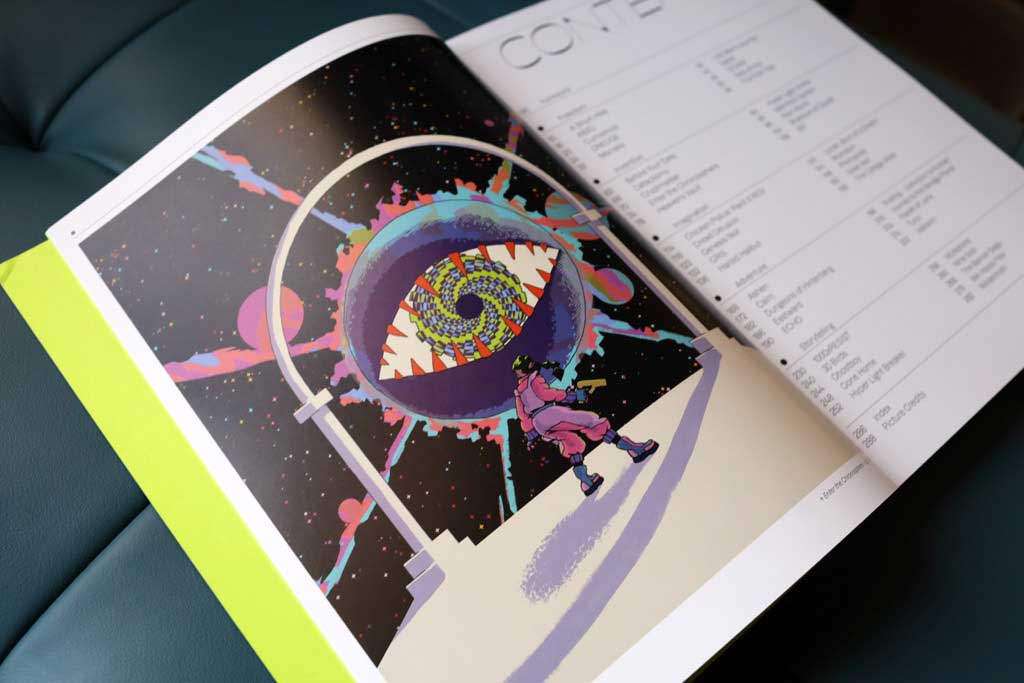
Indie Game Works documents fifty influential independent games through a visual survey that emphasizes art direction, creative process, and design innovation. Rather than treating games as products, the book approaches them as works of visual culture. Developer commentary and contributions from artists and art directors accompany hundreds of illustrations and screenshots.
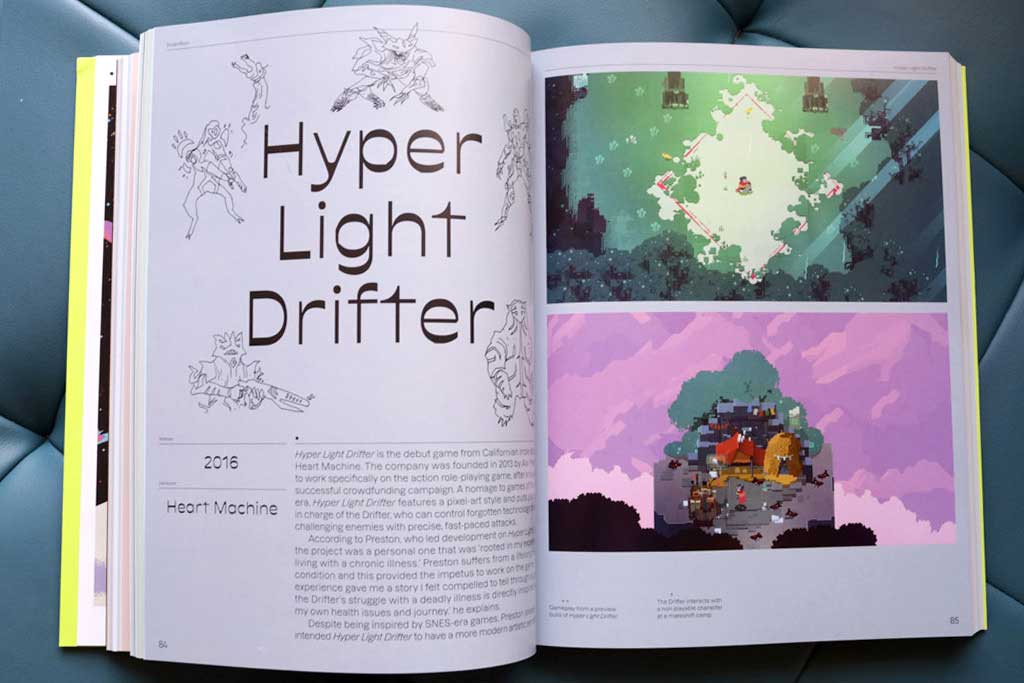
The featured projects include titles such as Hyper Light Drifter, Sable, and Eastward. Each represents a distinct visual approach. Some draw inspiration from classic pixel art traditions. Others borrow from illustration, architecture, graphic novels, animation, or fine art.
One of the book’s strengths lies in its ability to contextualize independent games within larger creative movements. Readers begin to see connections between game development, zine culture, digital illustration, experimental animation, and the maker movement. The boundaries separating these disciplines often disappear.
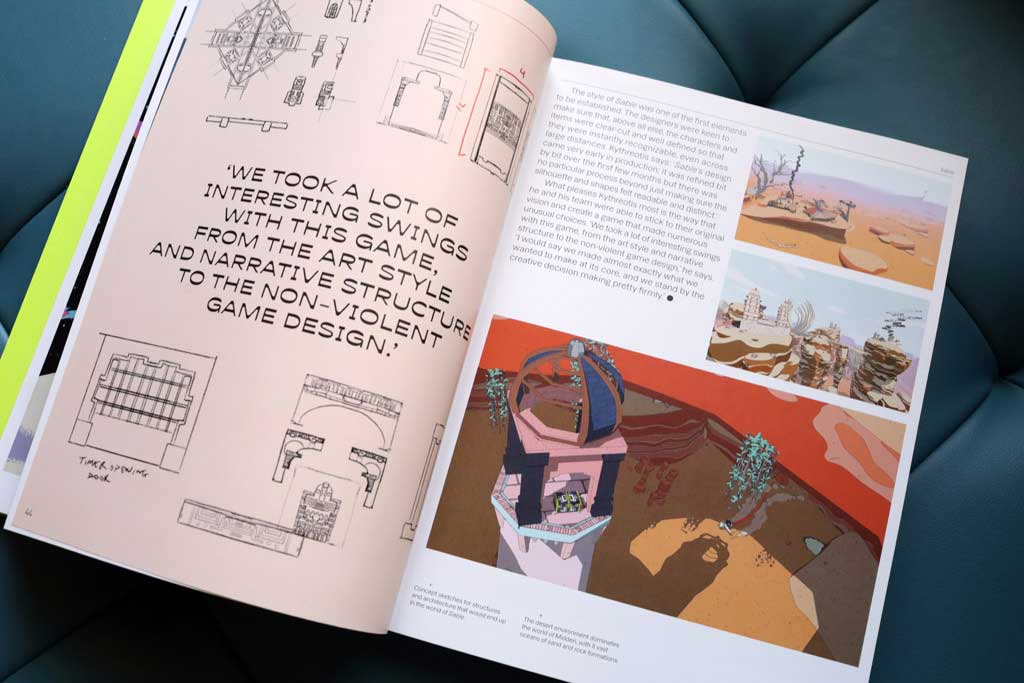
For Creative Game Life readers, the subject matter feels especially relevant. Independent games have become laboratories for new ideas. Many contemporary designers first encountered innovative approaches to storytelling, visual design, and interaction through indie projects. The same ecosystem that produced game jams, experimental digital art, and alternative publishing models continues to generate some of the medium’s most interesting work. Research into indie development has documented the growing influence of accessible tools and community-driven creation on the industry’s evolution.
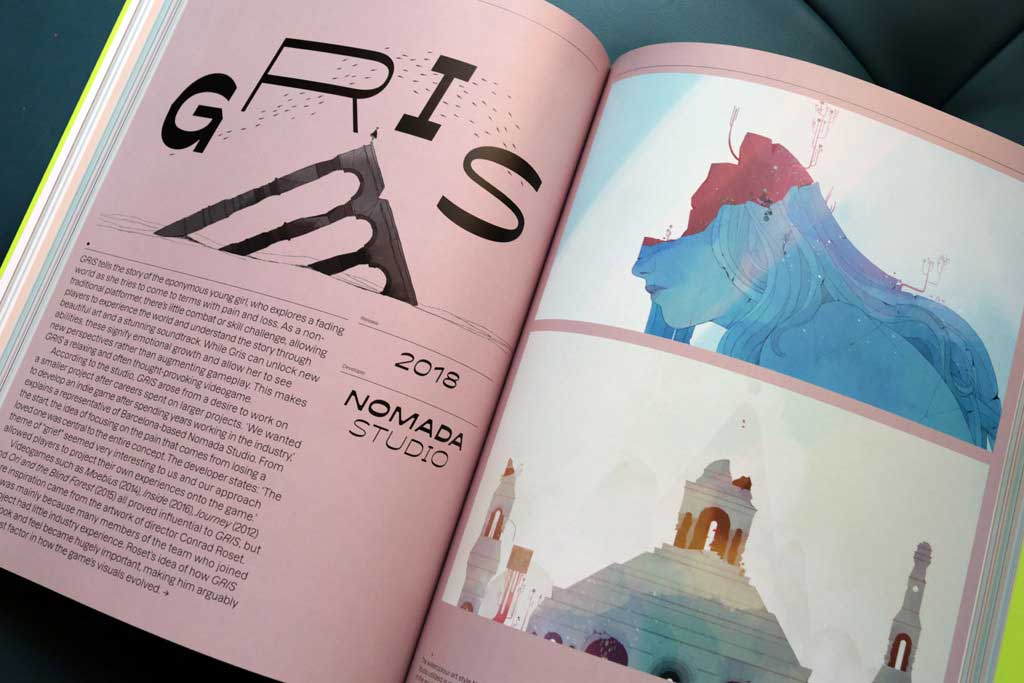
The book’s large-format presentation makes it particularly useful as a visual reference. Readers interested in illustration, pixel art, environmental design, color theory, interface design, and visual storytelling will find no shortage of inspiration.
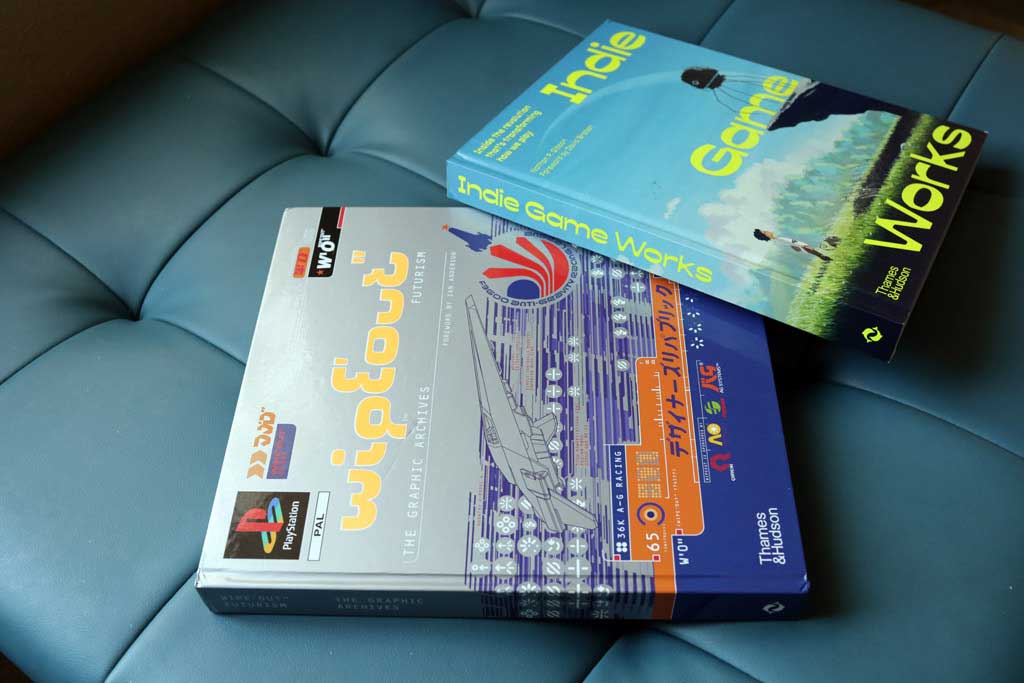
Why These Books Matter
Both volumes document moments when creative communities pushed games in new directions. WipEout Futurism chronicles a period when graphic design, electronic music, and video games converged into a singular cultural phenomenon. Indie Game Works captures the creative explosion that followed when small teams gained the tools to publish their own visions.
For readers who see games as a creative medium rather than a product category, these books belong on the same shelf as design annuals, art monographs, architecture books, and collections of illustration. They document how imagination becomes form—and how form becomes culture.