Clarice Lispector wrote fiction that behaves like a live nerve. A scene begins, then the mind of a character leans closer to the world—closer than feels polite—and suddenly the ordinary turns strange. A room. A family lunch. A cockroach. A glass of water. Things you’ve seen a hundred times. In Lispector’s hands, they stop cooperating.
That intensity has always drawn devoted readers in Brazil, where her fame runs on a first-name basis: Clarice. In 2023, The New Yorker published a newly translated 1976 audio interview that shows her voice at length—funny, sharp, impatient with literary mythology, and strangely tender toward animals and daily life.
She never sounded like a writer building a brand. She sounded like someone trying to say the exact thing, even when language fought back.
A life that began mid-flight
Lispector was born in Chechelnyk (in what is now Ukraine) on December 10, 1920, and she died in Rio de Janeiro on December 9, 1977. Her family fled pogrom-era violence and eventually reached Brazil, where they settled first in the Northeast before moving on.
Lispector herself complicated the record. In the 1976 conversation, she says, flatly, that she arrived in Brazil at “two months old,” then adds, with a writer’s instinct for scene-setting: “I was born in Ukraine, but already fleeing.” The Instituto Moreira Salles (which holds a major Clarice archive) points to family records that place their arrival in Brazil in 1922—later than her own preferred version.
She grew up in Recife in a household that knew scarcity. In the New Yorker transcript, she recalls a lunch of bread and a kind of orange drink sold in a square—details that land with the bluntness of memory. Later, in Rio, she studied law and drifted into journalism. She worked in newsrooms and wrote columns, including under borrowed bylines—work that paid the bills and sharpened her eye.
Then came diplomatic life. She married the diplomat Maury Gurgel Valente and lived in places that sound glamorous until you picture the schedule: dinners, protocol, long spells away from her language. Instituto Moreira Salles notes postings that included Belém, Naples, Bern, Torquay, and Washington, D.C., before her return to Rio in 1959. She returned with two sons and a growing body of work that refused to behave.
The books: where to start, and why each one sticks
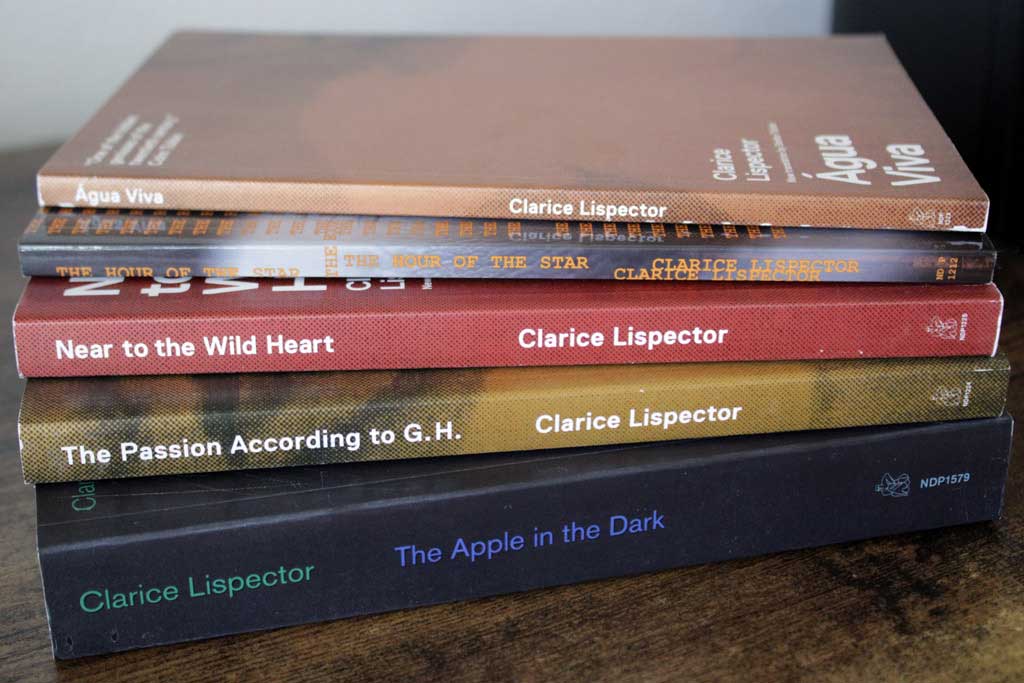
Lispector’s debut novel, Near to the Wild Heart (Perto do Coração Selvagem), arrived in 1943 and hit Brazilian letters with the force of a new weather system. The book tracks a young woman’s inner life with a modernist freedom that felt immediate, even then—thoughts moving faster than explanations.
From there, she kept pushing:
-
The Chandelier (1946) and The Besieged City (1949) deepen her early obsession: how a person forms inside a place, and how language can track that forming without turning it into a neat lesson.
-
Family Ties (1960) shows her command of the short story—domestic scenes that tighten until revelation arrives, sometimes quietly, sometimes like a slap.
-
The Apple in the Dark (1961) stretches into parable and reinvention; in the 1976 interview she describes copying and recopying pages as a way of discovering what she meant.
-
The Passion According to G.H. (1964) remains her great ordeal-novel: a woman alone with the unbearable logic of existence. Lispector tells the interviewers she “trembled in dread” when she realized what the book demanded of its protagonist.
-
Água Viva (1973) reads like a notebook set on fire—voice, pulse, perception, the present tense treated as a substance.
-
The Hour of the Star (1977), published near the end of her life, turns outward toward a poor young woman from the Northeast, while keeping Lispector’s signature tension between narration and conscience.
She also wrote children’s books with a straight face and a hard moral clarity. In the same 1976 talk, she says, “I don’t lie to children.”
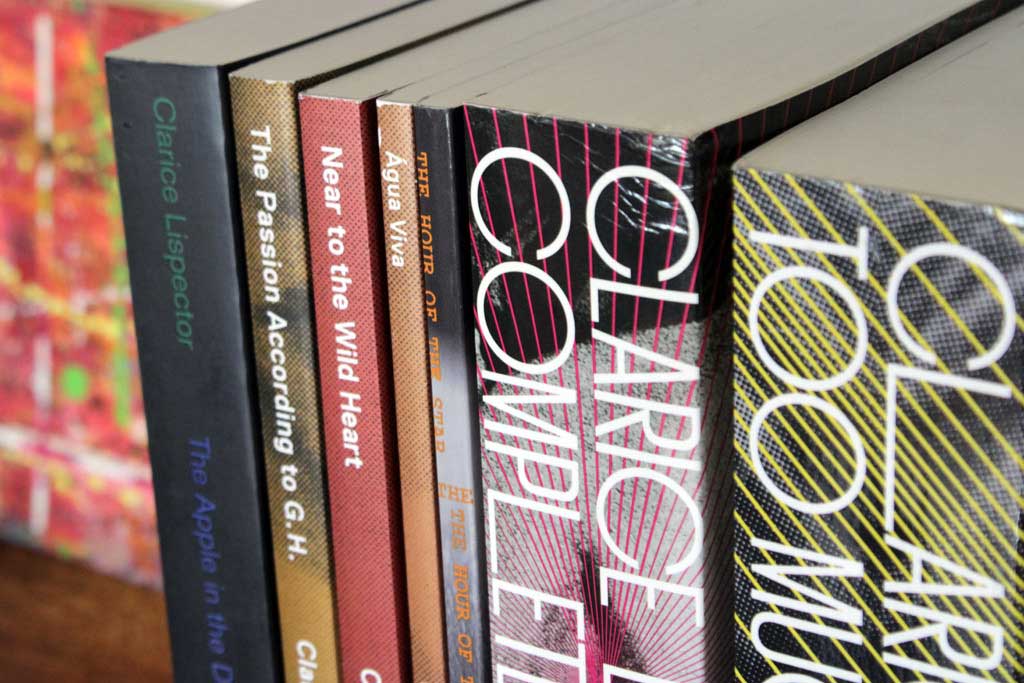
How she wrote: a sentence arrives, then the day rearranges itself
Lispector loved to puncture the romantic image of the writer. She describes herself as “a daring shy person,” which feels accurate if you’ve ever watched someone walk into a room, hesitate, then say the one thing everyone remembers.
Her process sounds practical, almost workmanlike. She learned to write ideas down as they came because, as she puts it, “The phrase arrives already made.” She also talks about sitting and staring before writing—coffee, silence, a kind of internal warm-up. The detail feels small. It explains a lot. The pages carry that same charge: waiting, then contact.
And she distrusted the noise around writing. Reviews could derail her. Praise could derail her. In the interview she even says she cultivates humility so carefully that praise can feel like an attack.
Fire, pain, and the late voice
In September 1966, a fire broke out in her apartment after she fell asleep smoking. Instituto Moreira Salles describes her trying to put it out with her hands, a choice that damaged her health. The accident sits behind the late work like a shadow: the sense that language costs something.
Her place in history: modernism with teeth, and a long afterlife in translation
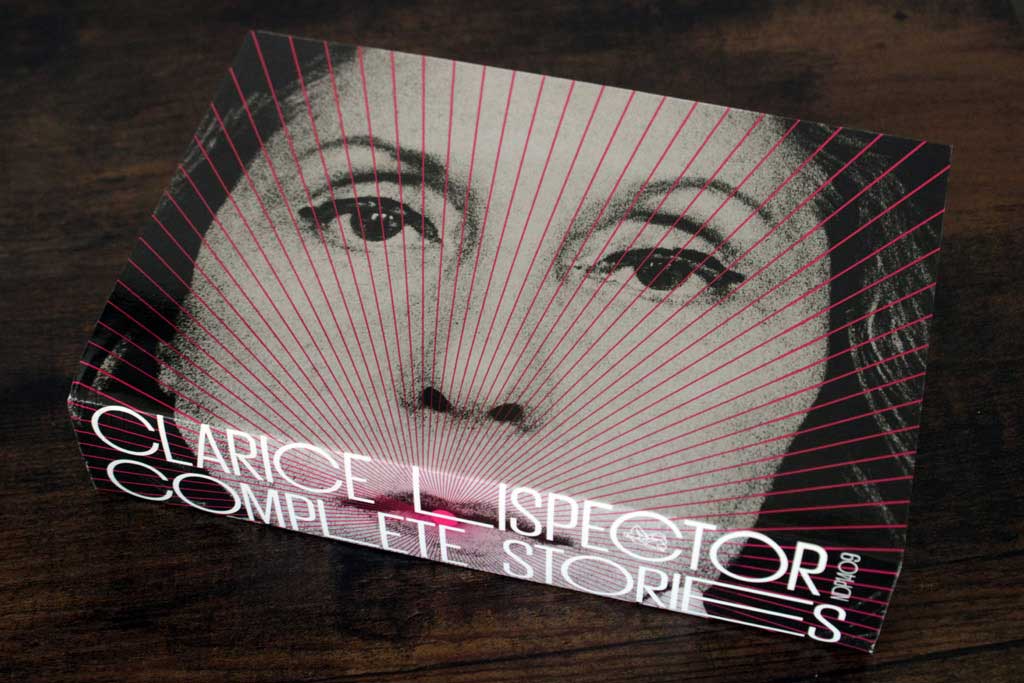
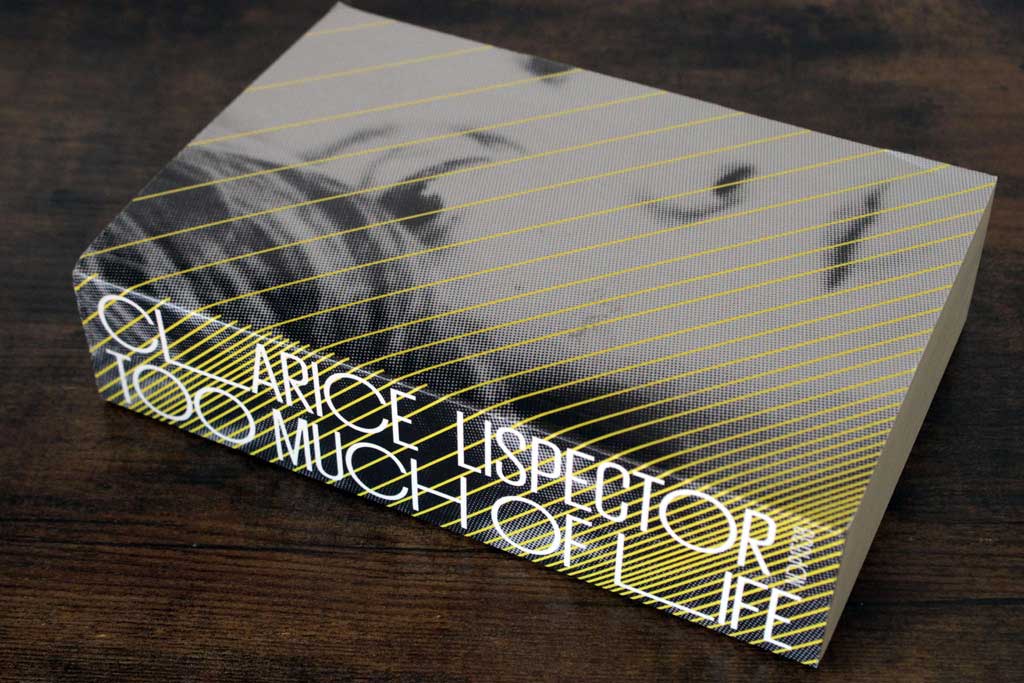
Lispector stands among the key figures of twentieth-century Brazilian literature, and she also sits in a wider modernist family tree—writers who made consciousness the main stage. Britannica notes the difficulty of translating her and points to the wave of English-language retranslation and reissue through New Directions in the 2010s, including The Complete Stories in 2015.
Near the end of the 1976 interview, she asks a question that sounds simple and keeps widening: she names the date, the rain, her dress, her friends in the room—then asks what any of it will matter after she dies.
Her work answers, indirectly, by continuing to matter in the only way she seemed to trust: one reader at a time, alone with the sentence, feeling it land.
Read more about Clarice Lispector at New Directions Publishing