The Horror Novels Defining Summer 2026
Summer reading lists often lean toward beach escapes, family sagas, and breezy thrillers. Horror has a different agenda. The best horror novels arrive with a sense of unease that lingers long after the final page, turning familiar places and ordinary experiences into something stranger. This summer’s most talked-about releases range from psychological dread and body horror to folk traditions, religious terror, and hallucinatory literary horror. Together, they showcase a genre that continues to stretch far beyond haunted houses and jump scares.
Here are four horror novels worth adding to your Summer 2026 reading stack.
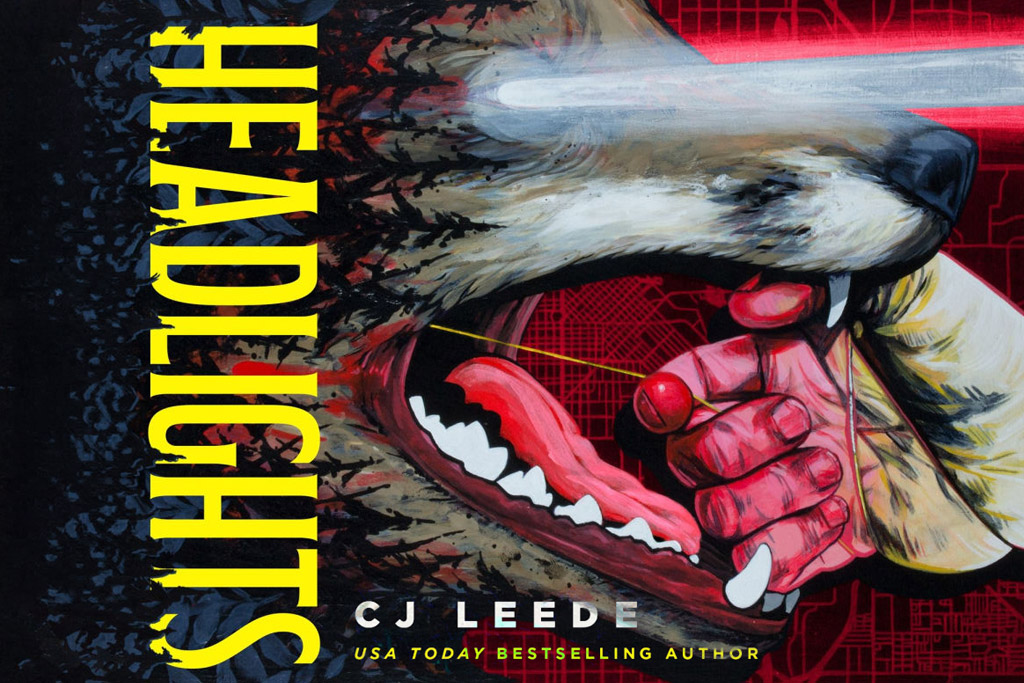
Headlights by C.J. Leede
C.J. Leede follows the success of Maeve Fly with a darker and more expansive nightmare. Headlights centers on FBI Special Agent Daniel Stansfield, who is preparing to leave the bureau when a disturbing series of cases draws him back to Denver, a city tied to painful memories from his past. Across Colorado, people are discovered on highways with missing memories and unsettling connections to crimes they seemingly could not have committed. Leede blends crime fiction, supernatural horror, and psychological suspense into a story driven as much by personal trauma as by its central mystery. The result is a fast-moving novel that evokes the atmospheric dread of classic horror while delivering the relentless momentum of a thriller.
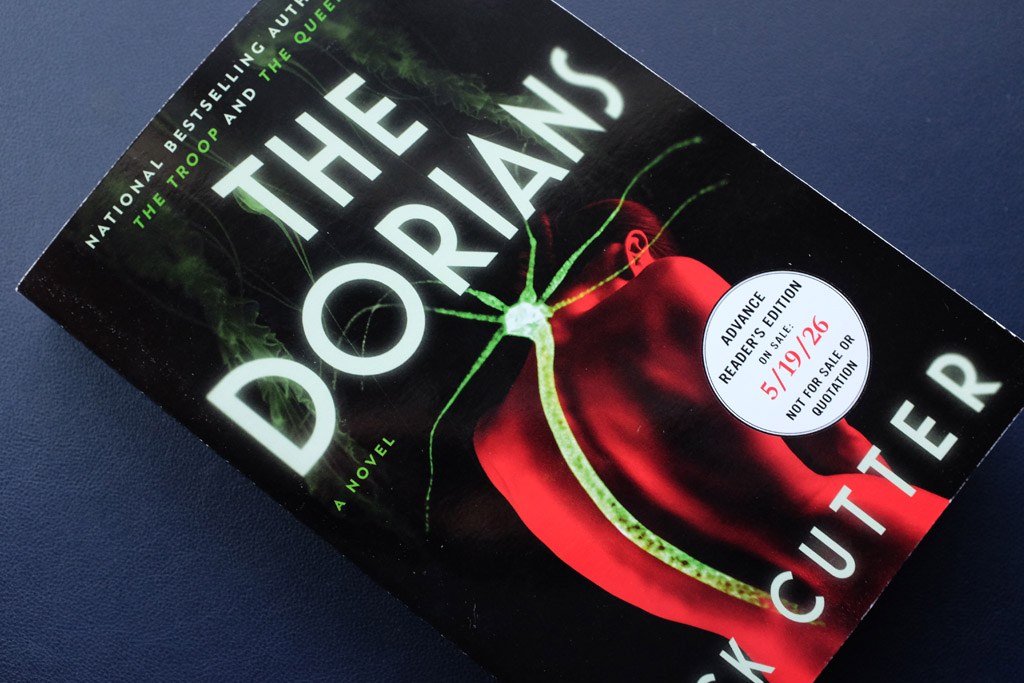
The Dorians by Nick Cutter
Nick Cutter has built a reputation as one of contemporary horror’s most uncompromising voices, and The Dorians continues that tradition. Drawing inspiration from themes associated with youth, mortality, and bodily transformation, the novel follows five elderly individuals facing the end of their lives who receive an extraordinary opportunity from a brilliant young bioengineer. The offer promises more than medical treatment—it offers the possibility of turning back time itself. Cutter uses that premise to explore questions about aging, identity, and the price people are willing to pay for another chance. Readers familiar with his earlier work know that body horror is never far away, but The Doriansappears equally interested in the emotional dimensions of growing old. It is a disturbing, character-driven novel that turns one of humanity’s oldest fantasies into a source of dread.
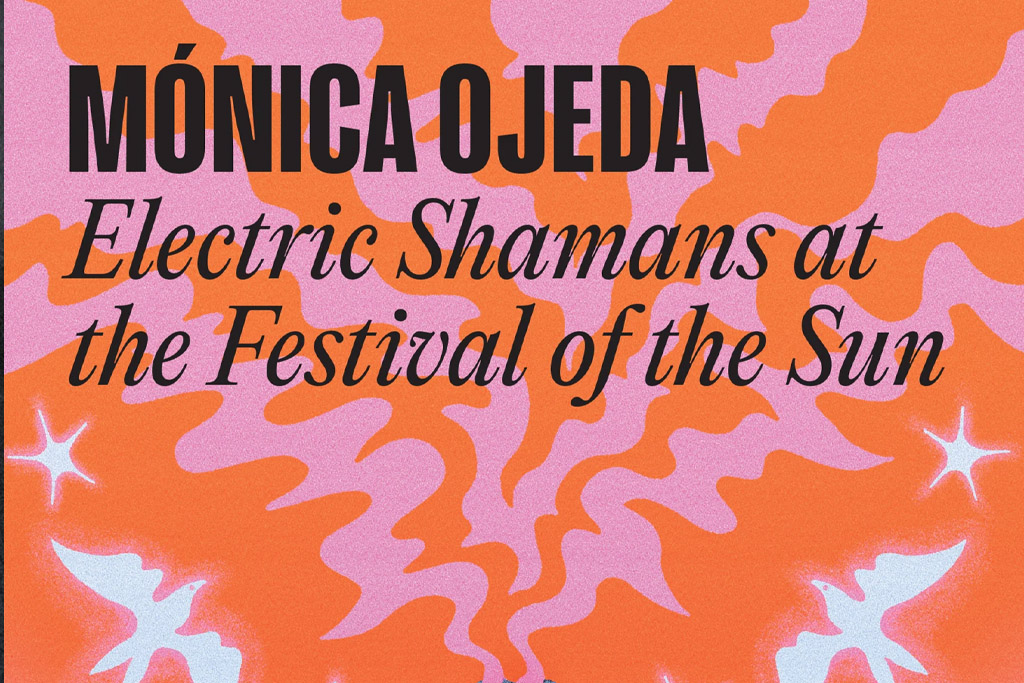
Electric Shamans at the Festival of the Sun by Mónica Ojeda
Mónica Ojeda has become one of the most exciting voices in contemporary literary horror, and Electric Shamans at the Festival of the Sun may be her most ambitious novel yet. Set against the backdrop of Solar Noise, a surreal music festival at the foot of an active volcano in Ecuador, the story follows two young women searching for escape, belonging, and answers about their pasts. What unfolds is a feverish blend of coming-of-age fiction, psychological horror, mythology, and experimental literature. Ojeda uses music, landscape, and ritual to create a world where reality feels unstable and every experience carries a sense of impending transformation. The novel’s horror is less concerned with monsters than with obsession, identity, violence, and the mysterious forces that shape human lives. Readers looking for something unconventional, literary, and genuinely haunting will find plenty to admire here.
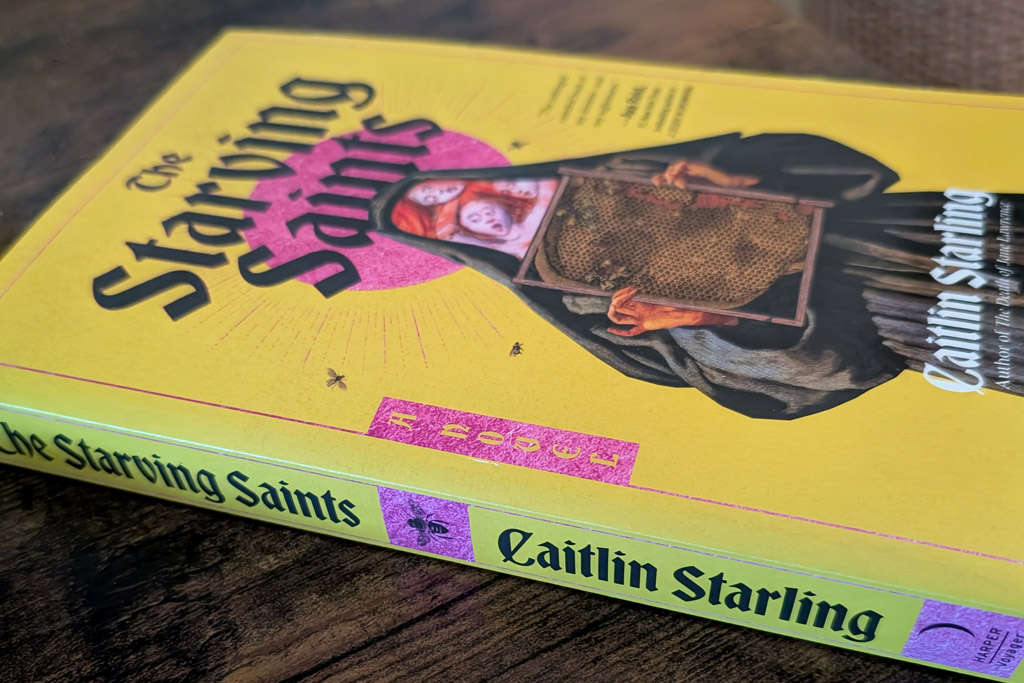
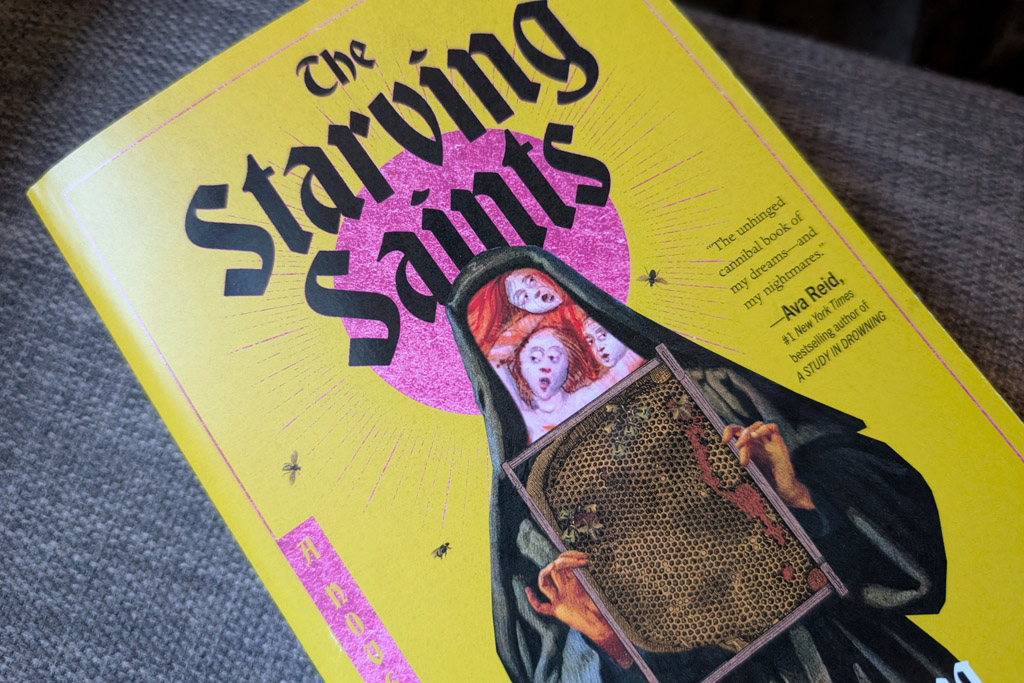
The Starving Saints by Caitlin Starling
Few horror settings feel more claustrophobic than a fortress under siege, and Caitlin Starling uses that tension to devastating effect in The Starving Saints. Set in a castle where food supplies have nearly vanished after months of isolation, the novel follows several women whose lives become entangled when apparent divine figures arrive promising salvation. What begins as a tale of faith and survival gradually transforms into something far stranger and more unsettling. Starling excels at creating an atmosphere where hunger, devotion, and desperation blur together. Medieval horror has enjoyed a resurgence in recent years, and The Starving Saints stands among the strongest examples of the form, combining religious imagery, folk horror, and deeply human fears about what people will sacrifice when survival is at stake.
Why We Like These Books
One of the most interesting developments in contemporary horror is the genre’s willingness to cross boundaries. These four novels pull from crime fiction, medieval fantasy, literary fiction, psychological suspense, folk traditions, and speculative storytelling. None rely on familiar formulas. Instead, they use horror as a lens through which to examine grief, faith, aging, trauma, friendship, and the search for meaning.
That variety makes Summer 2026 an unusually rich season for horror readers. Whether your taste runs toward supernatural mysteries, gothic siege narratives, body horror, or literary nightmares set beneath volcanic skies, these books demonstrate just how broad—and how vibrant—the genre has become.