A Focused Vision from The Outer Zone
Indie studios often signal ambition through expansion—more systems, larger maps, longer campaigns. Death Howl, developed by Danish studio The Outer Zone and published by 11 bit studios, takes a different route. It narrows its scope and sharpens its edges. The result is a tactical deckbuilder defined by control rather than sprawl.
You play Ro, a hunter who enters the spirit world after the death of her son. The premise arrives without theatrical framing. No indulgent exposition. Ro moves because she must. The game respects that simplicity.
Grid-Based Combat That Demands Literacy
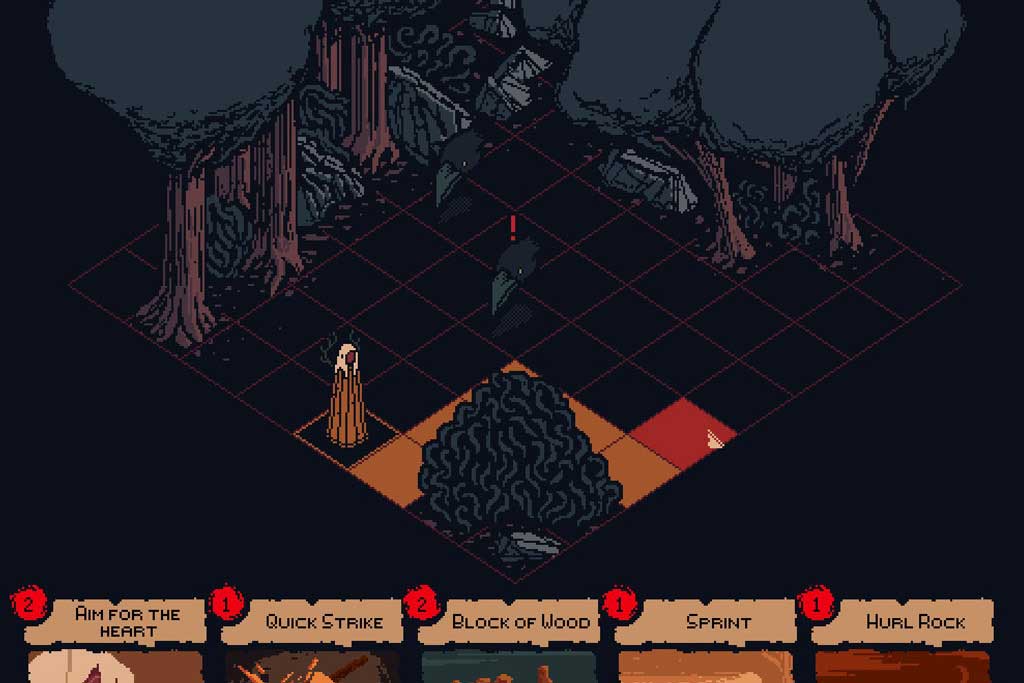
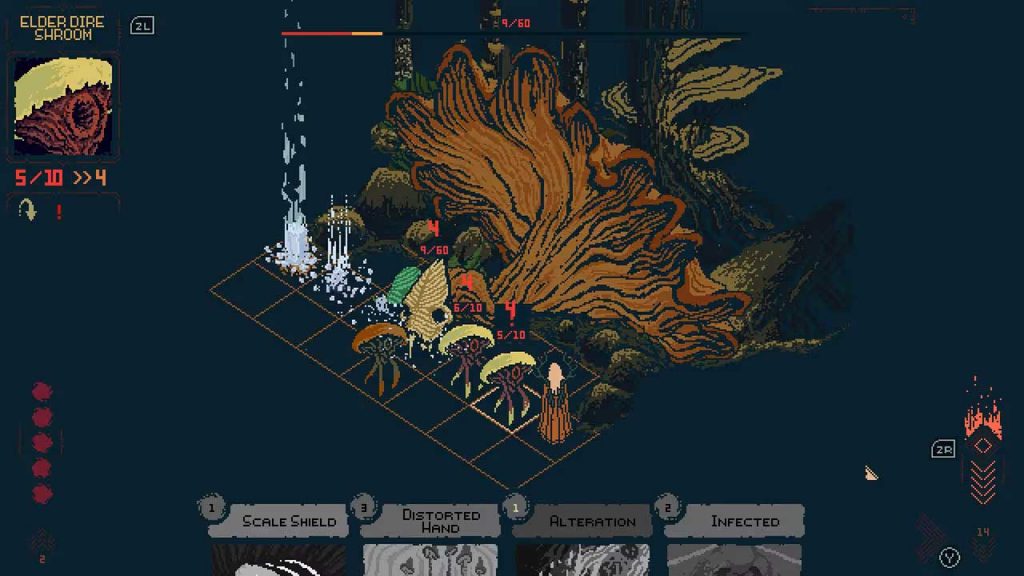
Combat unfolds on tight, grid-based battlefields. Movement costs energy. Attacks cost energy. Defensive positioning costs energy. Each turn becomes an exercise in sequencing and restraint.
Enemies telegraph their intent clearly. The information is there. The burden rests on the player to interpret it correctly. Spend too much energy repositioning and your offense falters. Commit entirely to damage and you invite retaliation. Encounters reward anticipation.
The structure evokes the temperament of a soulslike—measured, attentive, exacting—without copying its surface aesthetics. Failure teaches through repetition.
Deckbuilding with Structural Intent
Cards shape Ro’s capabilities. Early decks revolve around straightforward strikes and guarded blocks. As spirits fall, new resources unlock additional builds: poison strategies that escalate over time, counter-focused kits that punish aggression, sacrificial engines that convert health into momentum.
The card pool remains tight. Each addition carries purpose. Deck bloat carries risk. Refinement matters more than accumulation. The systems interlock with clean logic, encouraging experimentation without overwhelming the player with excess complexity.
A World Carved in Restraint
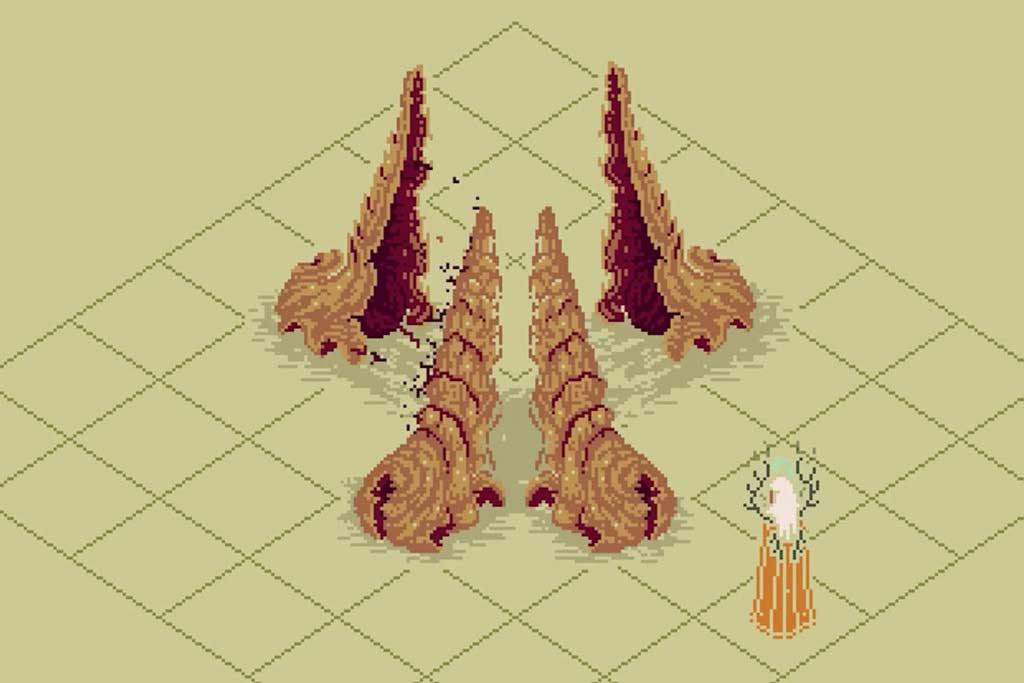
The semi-open world divides into distinct biomes that subtly alter tone and enemy design. Forest paths yield to harsher landscapes. Environmental storytelling carries narrative weight—totems, ruins, spectral traces of belief systems never fully spelled out.
The pixel art favors muted palettes and strong silhouettes. Animation prioritizes clarity in combat. Visual restraint reinforces mechanical discipline.
When Ro falls, she drops accumulated resources inside the encounter and respawns just outside it to try again. Manually resting at checkpoints restores her health but resets surrounding enemies. Push deeper for greater reward or consolidate and refine your deck. The rhythm becomes steady: advance, study, adjust.
Spatial Strategy Over Flashy Synergy
Many deckbuilders center on explosive card interactions. Death Howl emphasizes positioning. Line-of-sight changes outcomes. Terrain constrains movement. The board shapes possibility.
That focus shifts the genre’s center of gravity. Tactical geography becomes as important as draw order. Planning extends beyond the hand into the map itself.
Discipline as Design Philosophy
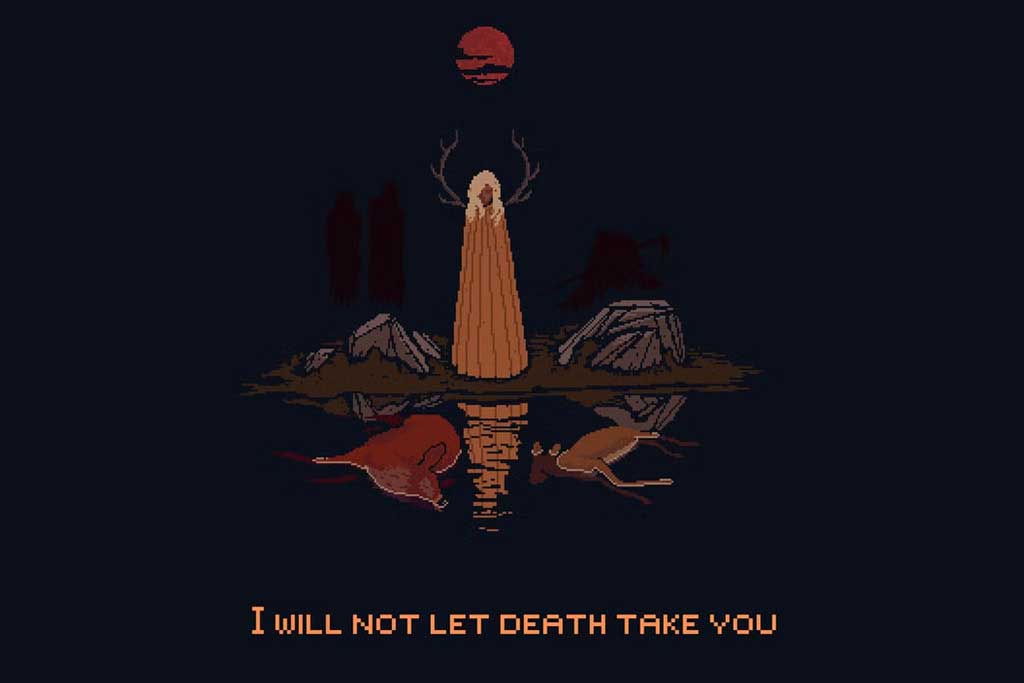
The narrative remains understated. Ro does not narrate her grief. The emotion lives in absence—in hostile spirits, in silence between encounters. Progress feels earned because the systems resist indulgence.
Community response reflects that intensity. Some players praise the clarity of the combat loop. Others point to the demanding early curve. The game expects attention. It expects patience. Once internalized, its systems reveal depth through consistency.
The Outer Zone expands its ambitions here without sacrificing structural integrity. There are no superfluous modes layered on top. Mechanics serve theme. That cohesion gives Death Howl its weight.
11 bit studios has built a publishing identity around endurance and survival. Death Howl fits comfortably within that tradition. Adversity is not spectacle; it is structure.
After several hours, what lingers is steadiness. Cards enter your deck for defined reasons. Enemies behave according to readable logic. The world unfolds at a measured pace. Ro continues forward. The player recalculates.
Repetition becomes instruction. Precision becomes survival.