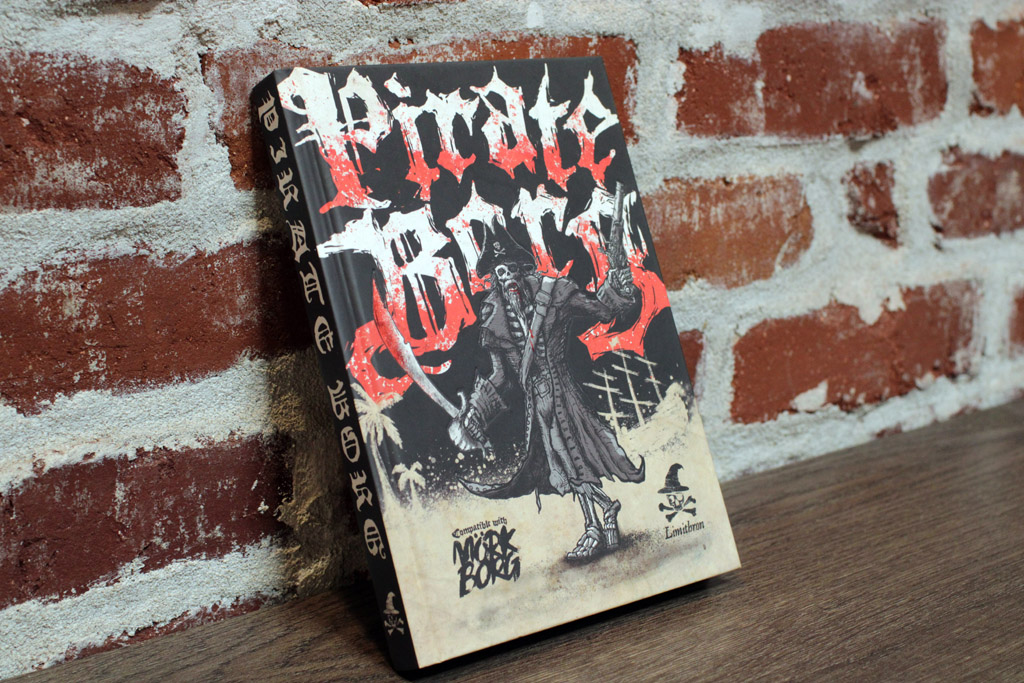
 The Caribbean of the eighteenth century has long been sanitized by cinema, reduced to a theater of swashbuckling heroics and predictable triumphs. Pirate Borg, a tabletop role-playing game conceived by Luke Stratton (known professionally as Limithron), serves as a violent corrective to that mythology. It is a work of “art-punk” nihilism that reimagines the Age of Sail as a sodden, apocalyptic fever dream where the sea is a graveyard and the horizon offers no hope of land.
The Genesis of a Sunken World
The game emerged from the Free League Workshop, a platform that allows independent creators to utilize the mechanical skeleton of Mörk Borg—the Swedish “doom-metal” RPG that redefined the tabletop aesthetic in 2020. Stratton, whose professional background in lighting design and cartography informs the book’s spatial logic, launched the project via Kickstarter in 2021. It rapidly secured its place as a definitive text in the “Old School Renaissance” (OSR) movement, not through nostalgia, but through a radical commitment to brevity and style.
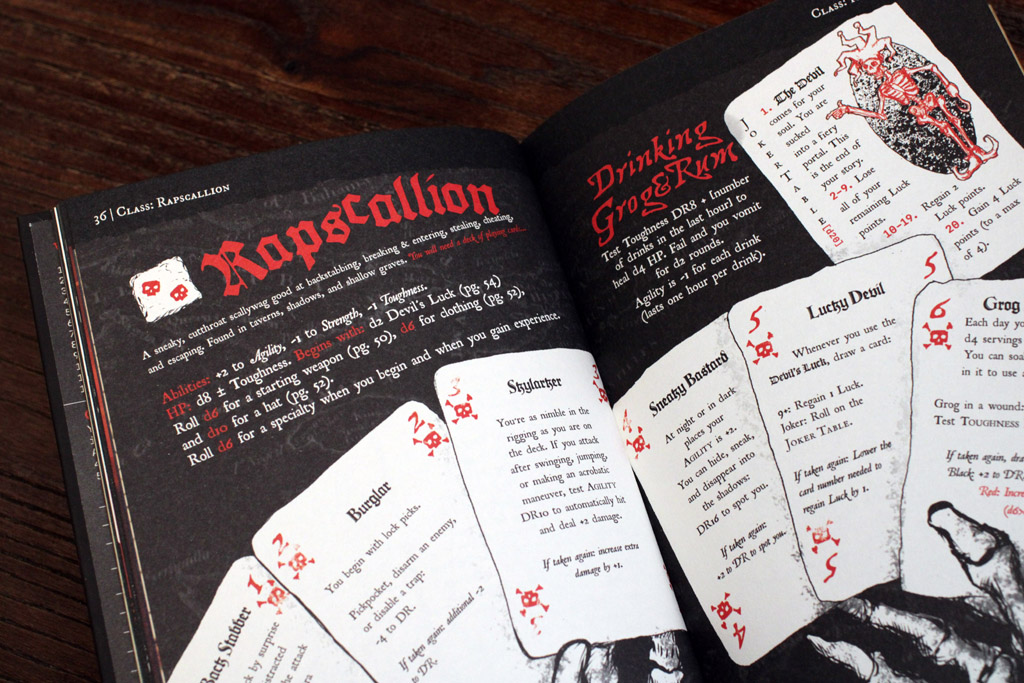
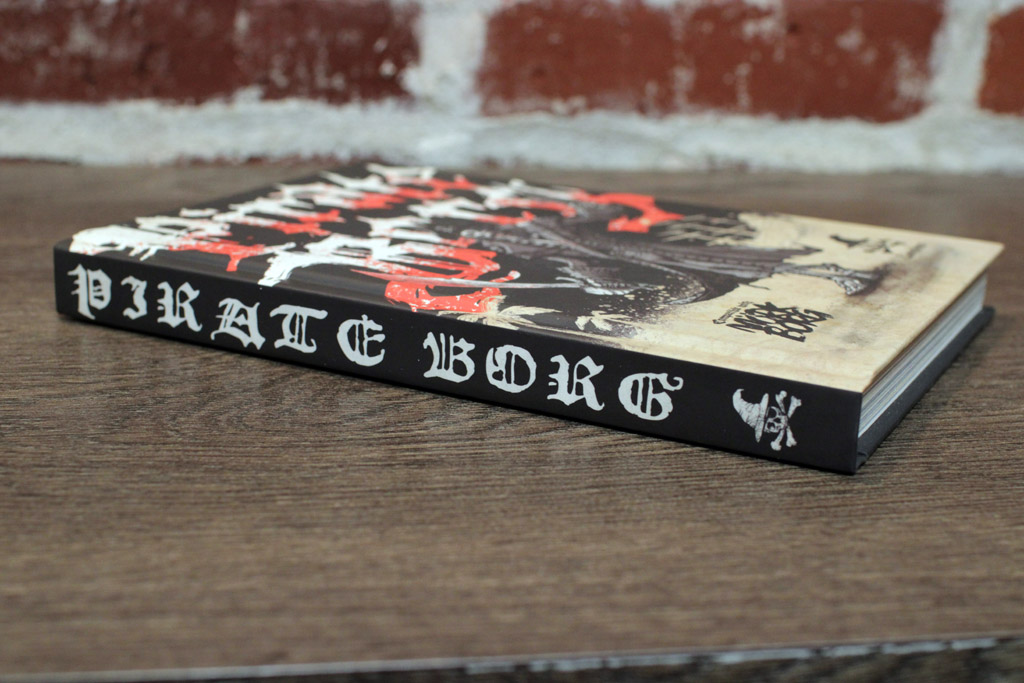
Stratton’s intent was to strip away the tactical bloat of contemporary fantasy gaming. In interviews, he has emphasized a desire for a “rules-light” engine that prioritizes atmosphere over mathematics. The resulting volume is a 160-page hardcover artifact, published with the high-production standards typical of Free League, yet possessing the jagged energy of a DIY fanzine.
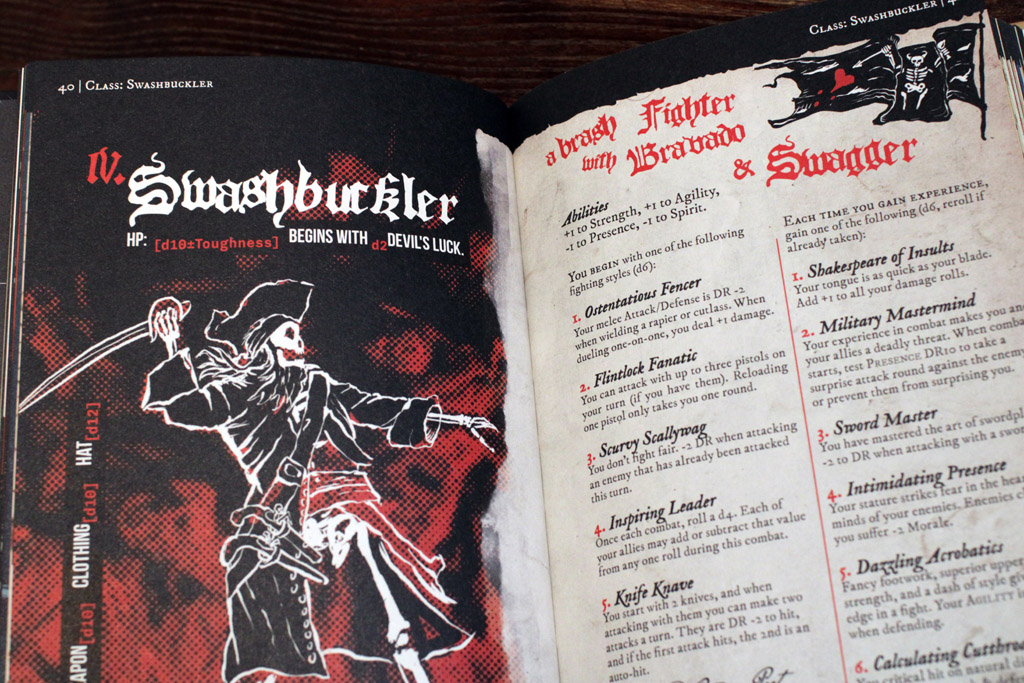
A Visual Assault on the Caribbean
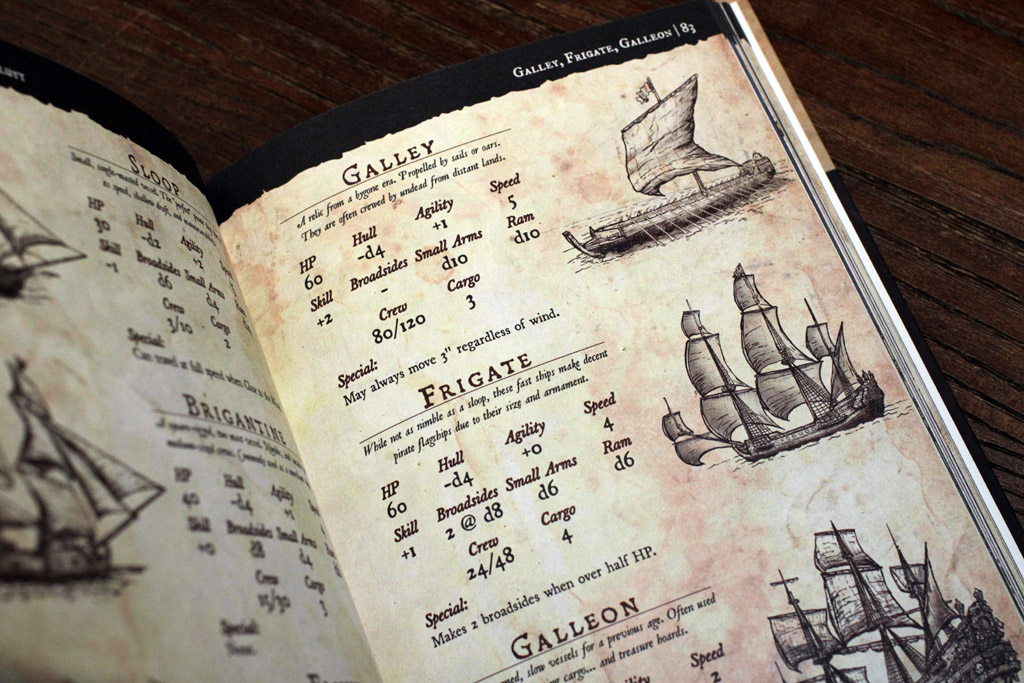
The aesthetic of Pirate Borg is inseparable from its utility. The art, primarily handled by Stratton himself, utilizes a high-contrast, grime-streaked palette. It rejects the clean lines of modern digital illustration in favor of a chaotic, collage-driven layout. Pages are dense with anatomical sketches, weathered maps, and typography that seems to vibrate with the threat of violence.
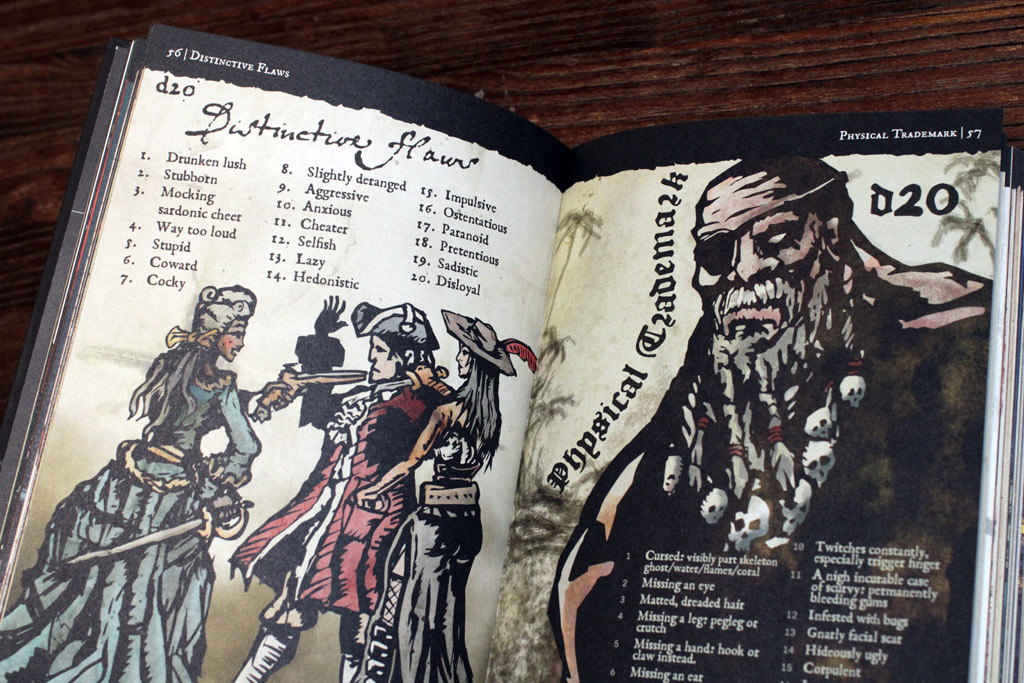
This is not a book meant for casual reading; it is a reference manual designed to be consulted in the middle of a chaotic session. The information architecture relies on “graphic design as language.” Every table, creature stat, and map is positioned to evoke a specific emotional response—usually a sense of mounting dread or frantic urgency.
Mechanics of a Dying Sailor
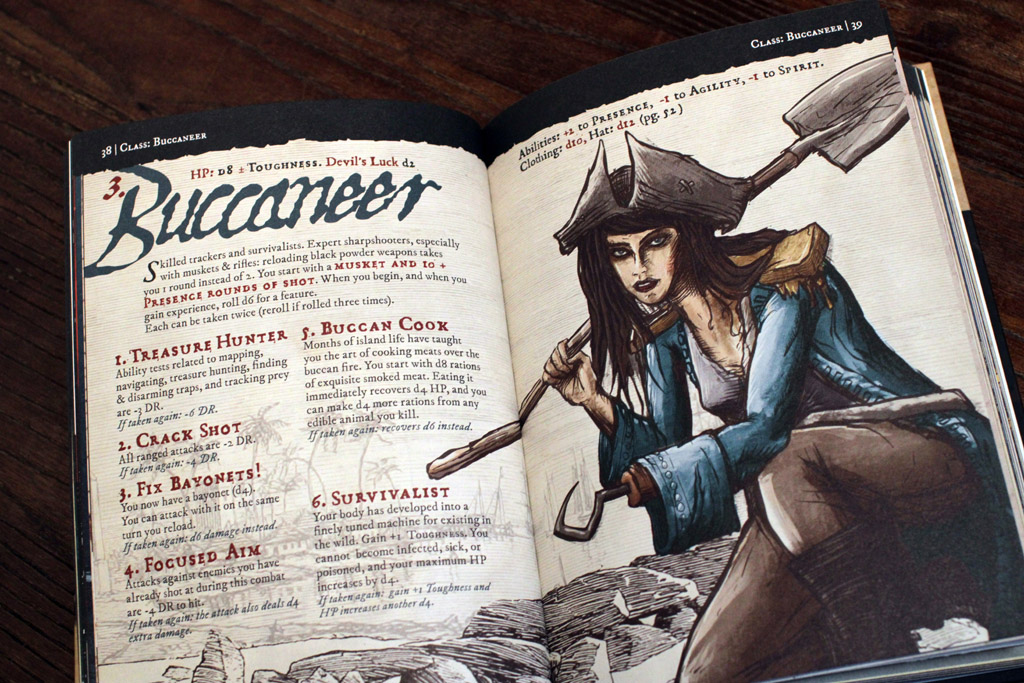
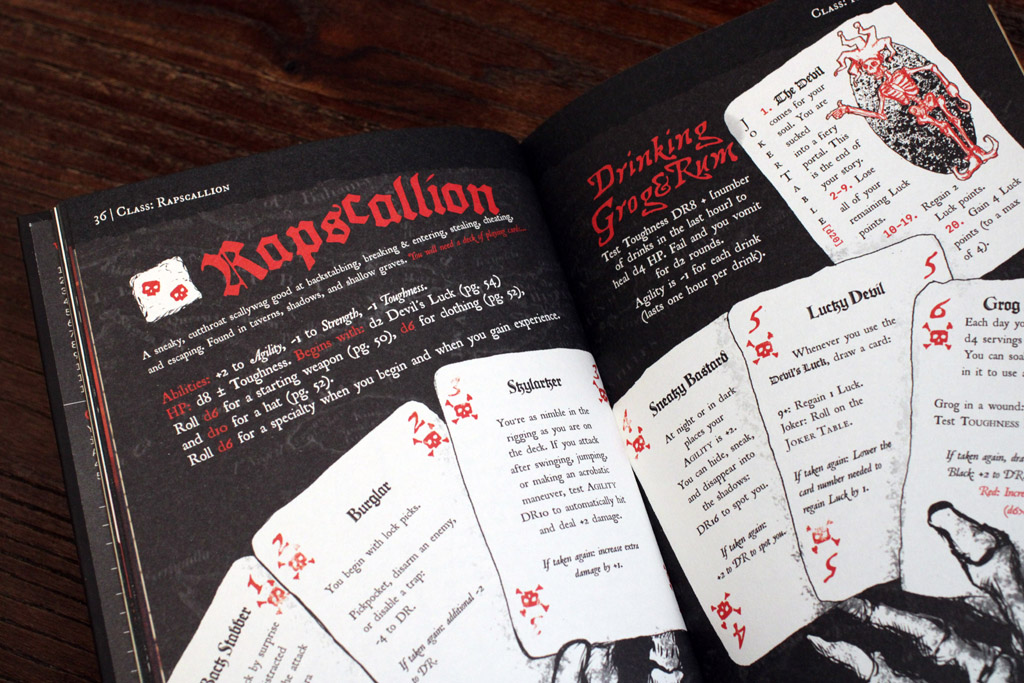
The gameplay is “player-facing,” a mechanical choice that places the burden of survival entirely on the players’ dice rolls. While the Referee manages the narrative and the denizens of the Dark Caribbean, the players roll to attack, roll to defend, and roll to resist the pervasive “Gutter Prayer” voodoo that haunts the islands. Character creation is a process of rapid, often random, discovery. Players inhabit one of eight distinct classes, including:
Brutes: Meat-shields with a high probability of expiration.
Rapscallions: Opportunists whose primary resource is luck.
Tall Tales: Supernatural entities—perhaps a ghost or a scale-covered oceanic hybrid—occupying the fringe of human society.
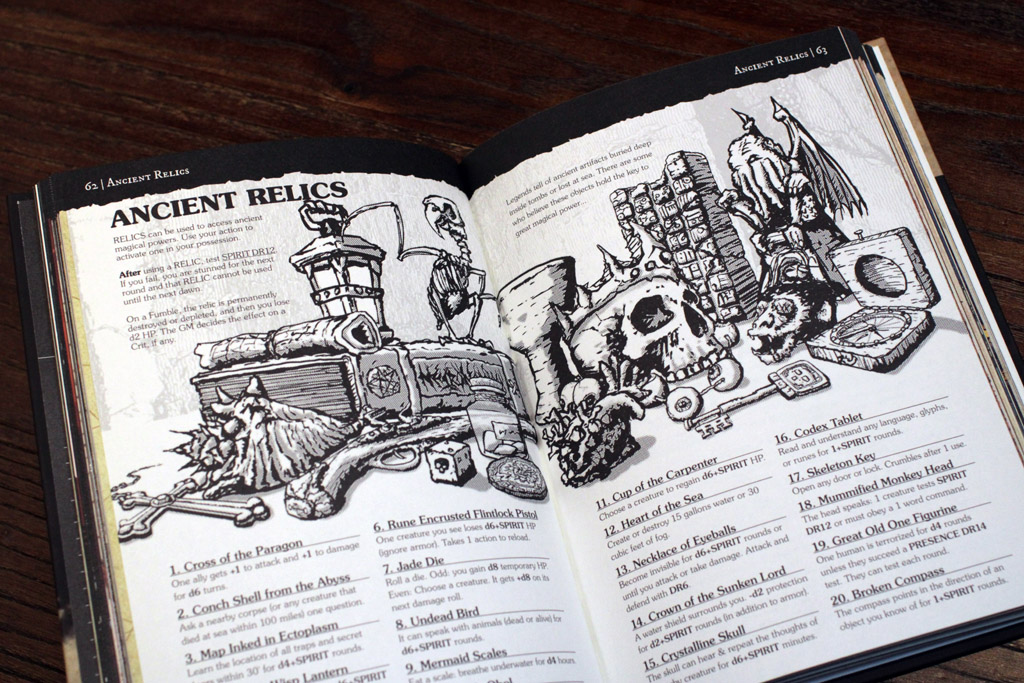
Zealots: Bearers of “Ancient Relics” who channel magic that is as likely to backfire as it is to succeed.
The Philosophy of the Improvised Death
The game operates on a principle of extreme lethality. A single pistol shot or a well-placed cutlass strike can end a character’s career. This fragility dictates the pace of the game; sessions typically last between two and four hours, characterized by high-stakes decision-making and frequent improvisation.
Because the rules occupy only a fraction of the book, the gameplay relies on “rulings over rules.” The Referee is encouraged to adjudicate actions based on the immediate logic of the scene rather than consulting a glossary of modifiers. This fosters a style of play where players must engage with the fiction of the world—proposing clever uses of the environment—rather than looking at their character sheet for a pre-ordained ability.
The Dark Caribbean Sandbox
The setting itself is a “sinking world.” The calendar of the game acts as a literal countdown to an inevitable watery end. The “Buried Treasure” and “Derelict Ship” generators provide enough modular content to ensure that no two voyages are identical. It includes a complete adventure, The Curse of Skeleton Point, which functions as a sandbox for Referees to test the limits of their players’ morality and endurance.
In Pirate Borg, the sea does not represent freedom. It represents a vast, unfeeling weight. It is a game for those who find beauty in the breakdown, and for whom the only thing more satisfying than a hoard of gold is surviving long enough to spend it.