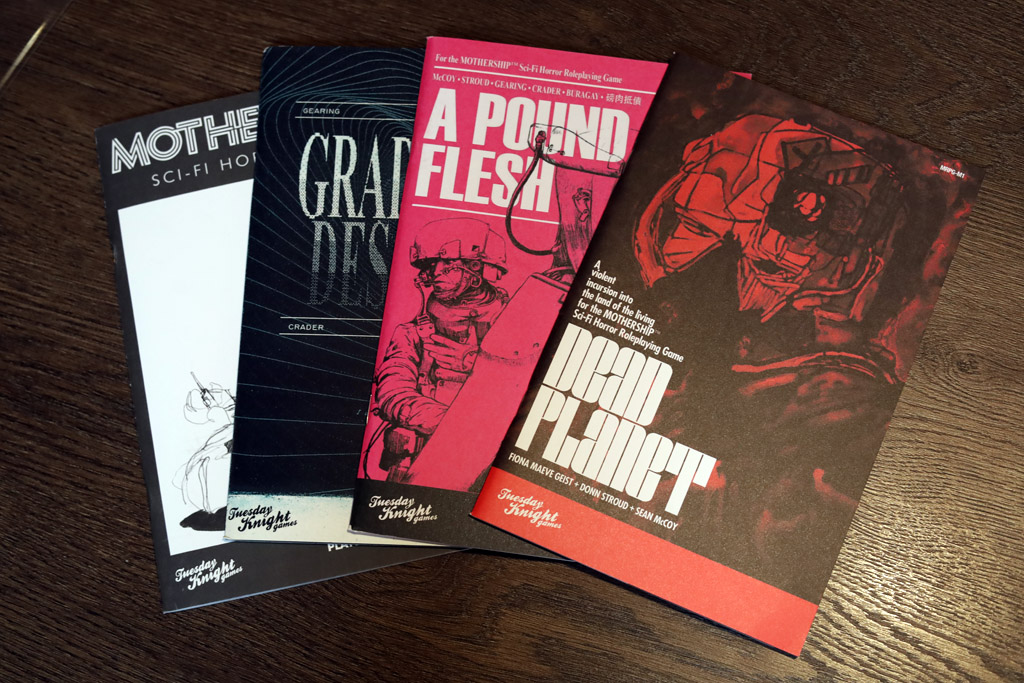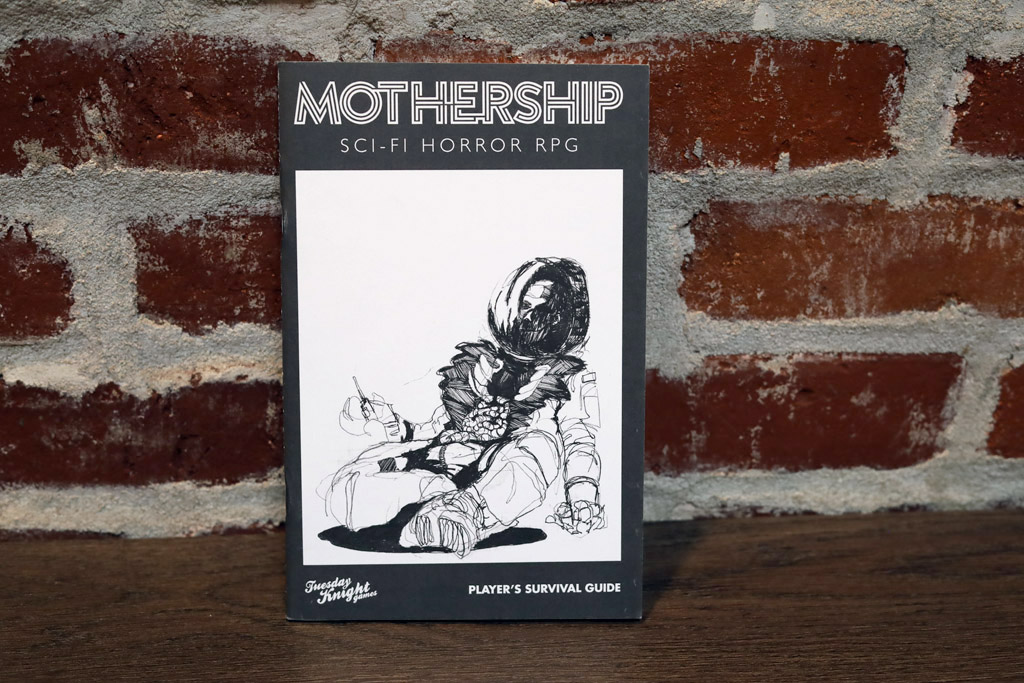
Mothership is a tabletop roleplaying game about blue-collar survival in deep space. Crews take jobs, push their luck, and try to survive the rigors of deep space. Designer and illustrator Sean McCoy launched the game as a small zine at Origins Game Fair in 2018. Tuesday Knight Games publishes it, with the original release now known as “0e” and the current First Edition (“1e”) shipping as a boxed set in 2024. The game’s reputation grew fast. Mothership: Player’s Survival Guide won the 2019 ENNIE Award for Best Game (Gold) and Silver for Product of the Year.
The Core Philosophy: Survive, Solve, or Save
Mothership points its flashlight at familiar sci-fi horror pressures—low resources, corporate incentives, and isolation—then asks players to make hard calls while their characters fray. McCoy has described the game’s ethos with a rule-of-thumb slogan: “Survive, Solve, Save: Pick Two.”
That design goal explains why the rules keep a lean profile and why the text keeps insisting on table authority. In an interview, McCoy put it bluntly: “There is no canonical Mothership other than the one happening at your table right now.”
The Creators and the Evolution of First Edition
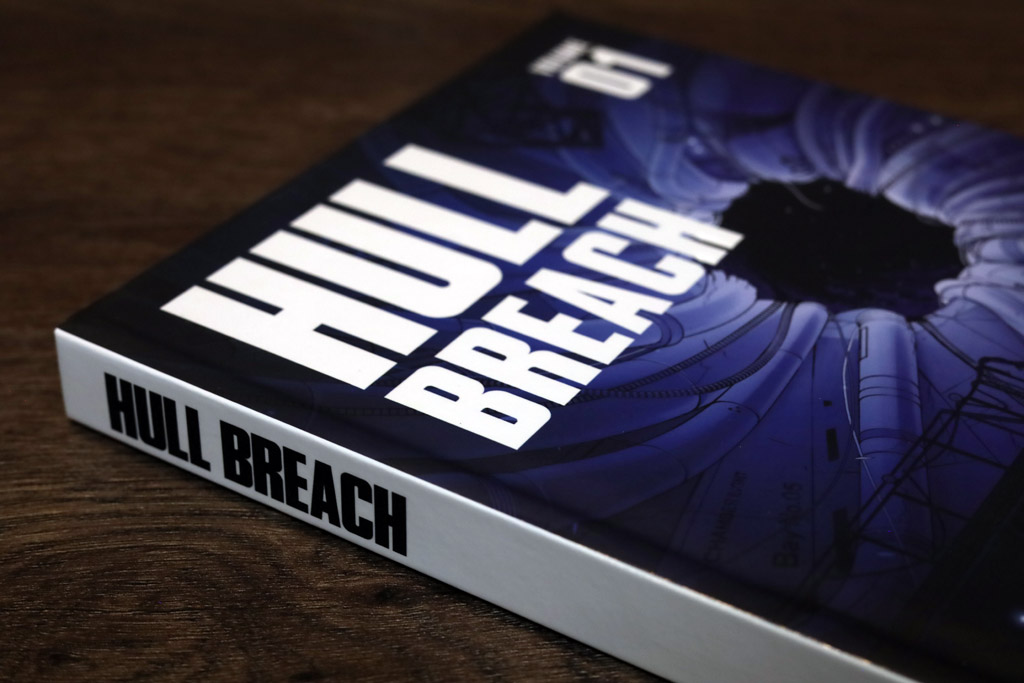
Sean McCoy designed Mothership and provided its early visual identity; Tuesday Knight Games publishes the line. The original Player’s Survival Guide released in 2018 (now “0e”). The First Edition line—built around four core books—shipped as a boxed set in 2024.
For new groups, Tuesday Knight’s “Core Set” and “Deluxe Set” show what the publisher considers a complete on-ramp: the Player’s Survival Guide, Warden’s Operations Manual, Unconfirmed Contact Reports, and Shipbreaker’s Toolkit, plus dice (including a Panic Die) and the introductory module Another Bug Hunt. The Deluxe Set adds the acclaimed modules Dead Planet, A Pound of Flesh, and Gradient Descent.
Launching the Mission: A Step-by-Step Guide to Play
Pick a Warden and a starting scenario One person runs the game as the Warden (the GM role). Start with a tight mission that can go wrong quickly. Tuesday Knight positions Another Bug Hunt as the official introductory adventure, built to teach the game while the crew investigates a silent terraforming colony.
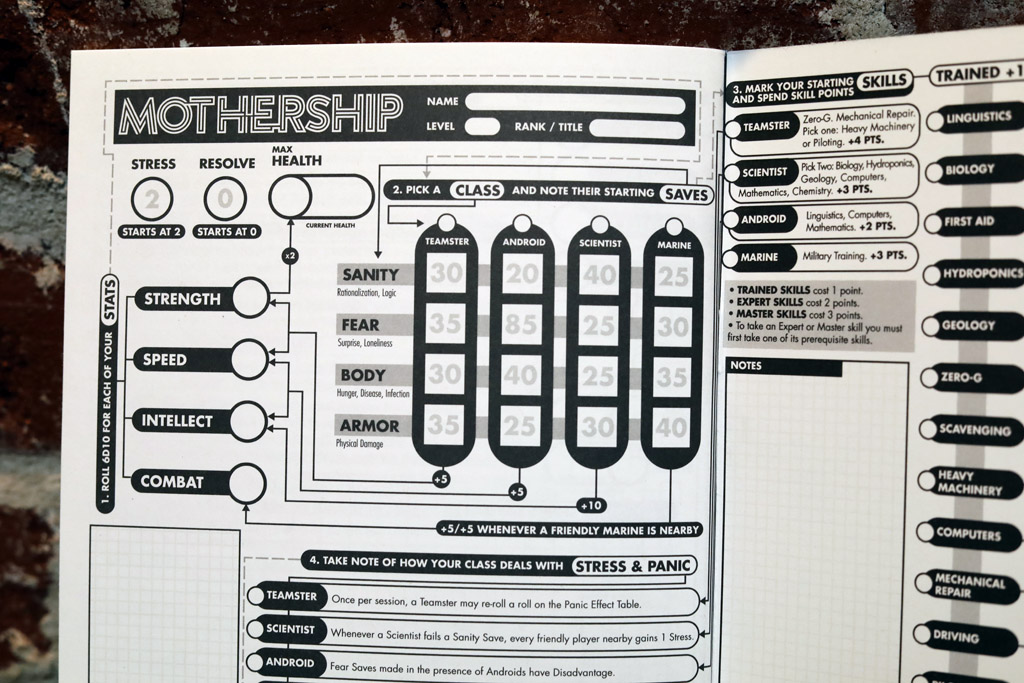
Make characters fast and imperfect Character creation supports quick start play. Players pick a class (Teamster, Scientist, Android, Marine), then roll attributes and saves. The sheet’s flowchart approach pushes you toward play instead of optimization.
Establish the job, the clock, and what “success” costs Before dice hit the table, the group benefits from a few concrete answers: What does the employer want? What do you risk if you refuse? What runs out first—air, power, ammo, time, or trust? This step runs on improvisation and conversation. The rules don’t lock you into a setting bible; the table builds the version of space it wants to fear.
Play in scenes until the outcome feels uncertain Most of Mothership runs like many modern RPGs: the Warden describes a situation, players state actions, and the table follows consequences. Dice enter when an action matters and failure would change the situation. The core loop uses a d100 roll-under test against a Stat or Save: roll under and you succeed; roll over and you fail.
Let failure create pressure, not a dead end In Mothership 1e, a failed check often adds Stress—the game’s most important long-term dial. Stress turns routine problems into cascading ones, because panic becomes more likely as Stress climbs.
Watch the dice create story variables through Panic The game makes Panic procedural. A “Critical Failure” happens when you roll doubles over your Stat/Save, and that triggers a Panic Check using a special d20 Panic Die. If you roll equal to or under your total Stress, your character panics and you consult the Panic Table.
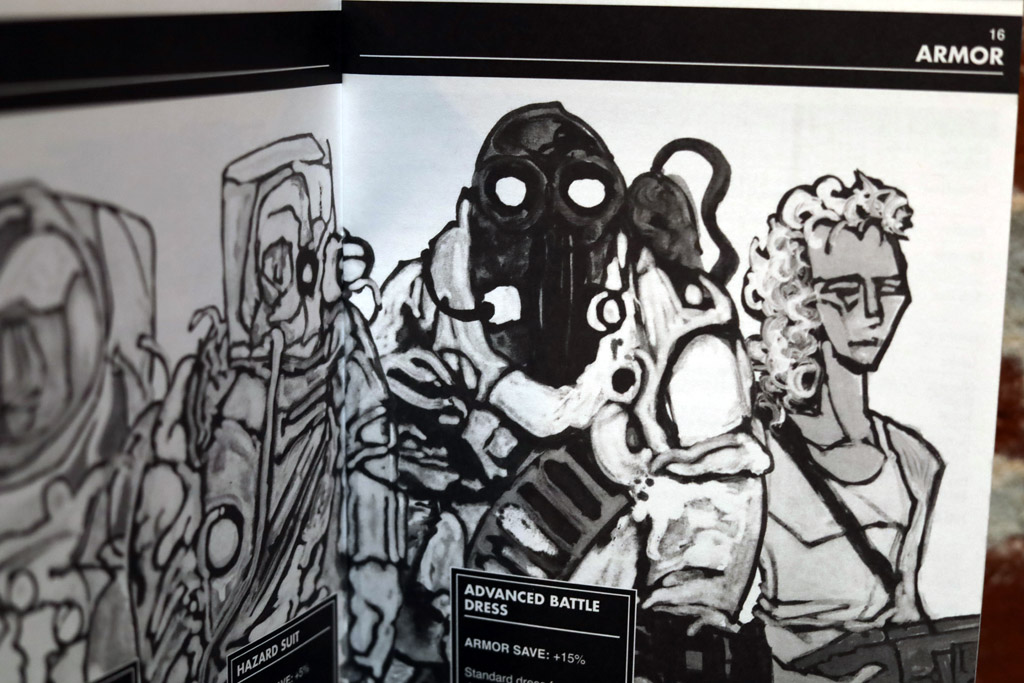
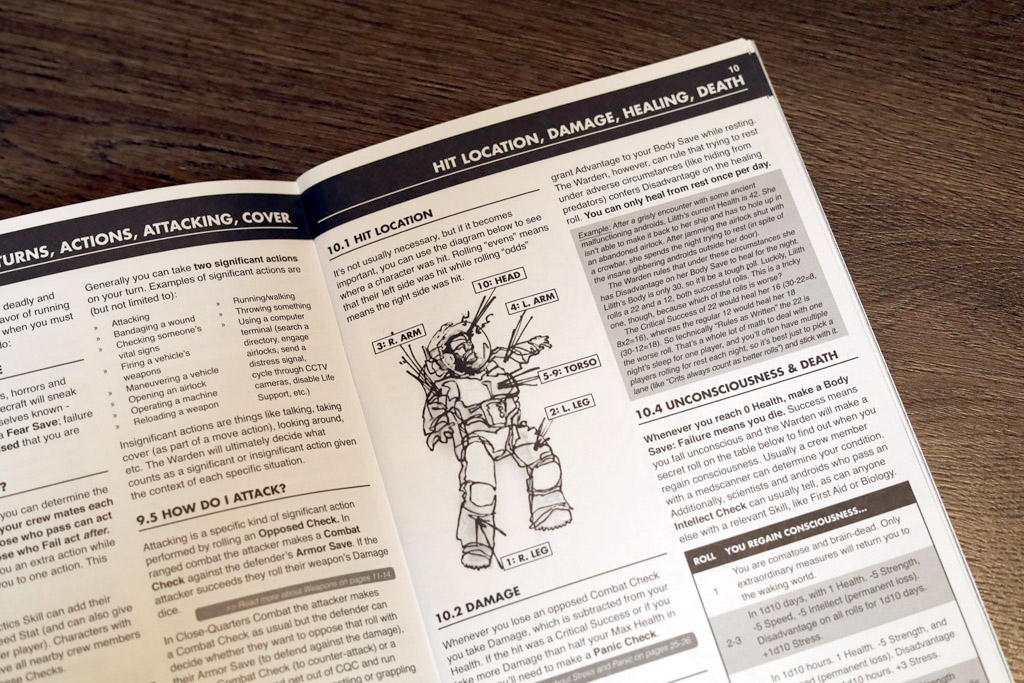
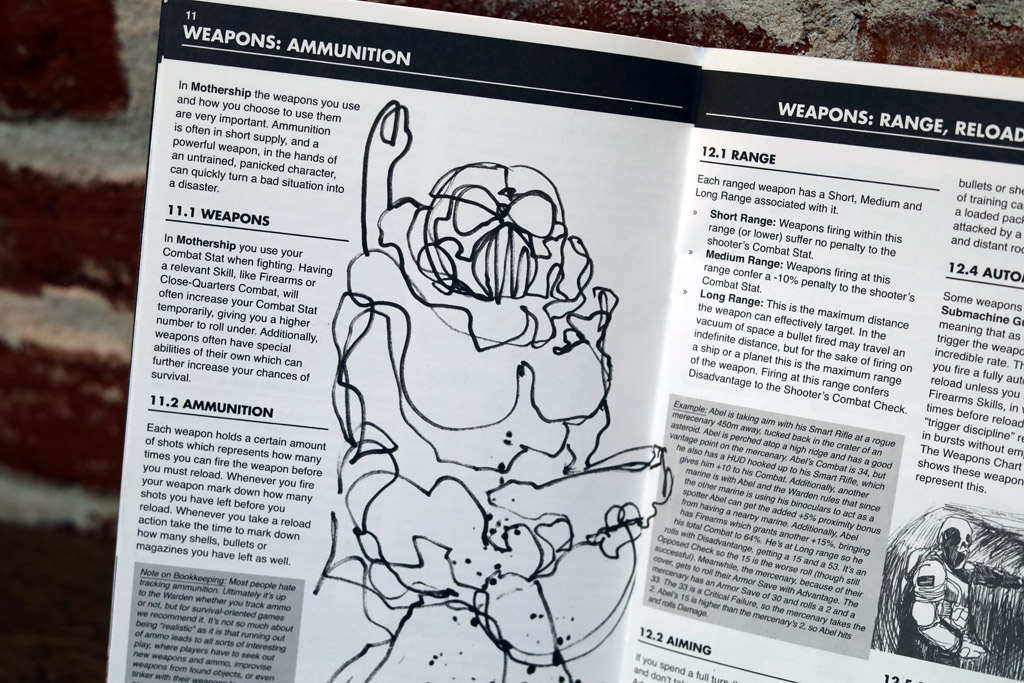
Shift into Violent Encounters when things turn physical When an encounter turns violent, the game tightens time. Characters stay fragile: they can take only a few Wounds before dying. Armor works as a Save: when you take damage, you can roll your Armor Save to reduce your Armor Points instead of taking a permanent Wound. Once your Armor is depleted or a save is failed, the damage becomes a Wound, forcing a roll on a gruesome Wounds table.
Take Shore Leave to recover—and to evolve While Mothership focuses on survival, characters do advance through Ranks. Crews take Shore Leave between jobs to spend credits, treat conditions, and “level up” to improve their Stats and Saves. This process converts the trauma of the mission into hardened experience.
The Core Mechanics (and Why They Fit Horror)
Mothership builds its horror from procedures that keep escalation visible:
Roll-under clarity: Percentile odds read cleanly; a 35 means you succeed 35% of the time.
Stress as consequence: Failure feeds Stress, Stress feeds Panic, Panic feeds lasting conditions.
Violence as a trap door: Wounds and armor rules frame combat as a last resort, not a default problem-solver.

A Fan Base That Publishes Its Own Universe
Tuesday Knight Games famously supports third-party publishing. The company maintains an open third-party license: creators can publish their own modules and supplements freely without a mandatory approval or “greenlight” process from TKG, provided they follow the license’s branding guidelines.
That support has translated into volume. McCoy has noted that Mothership has passed 300+ books published by first- and third-party creators. The community also organizes through “Zine Month” and “collab-funding” pushes, making Mothership one of the most prolific indie ecosystems in tabletop gaming today.
Why Mothership Keeps Flying
You can measure Mothership’s staying power in both accolades and output. The line picked up major awards early, and McCoy has continued to frame the game’s success as a long runway of community publication rather than a single launch moment.
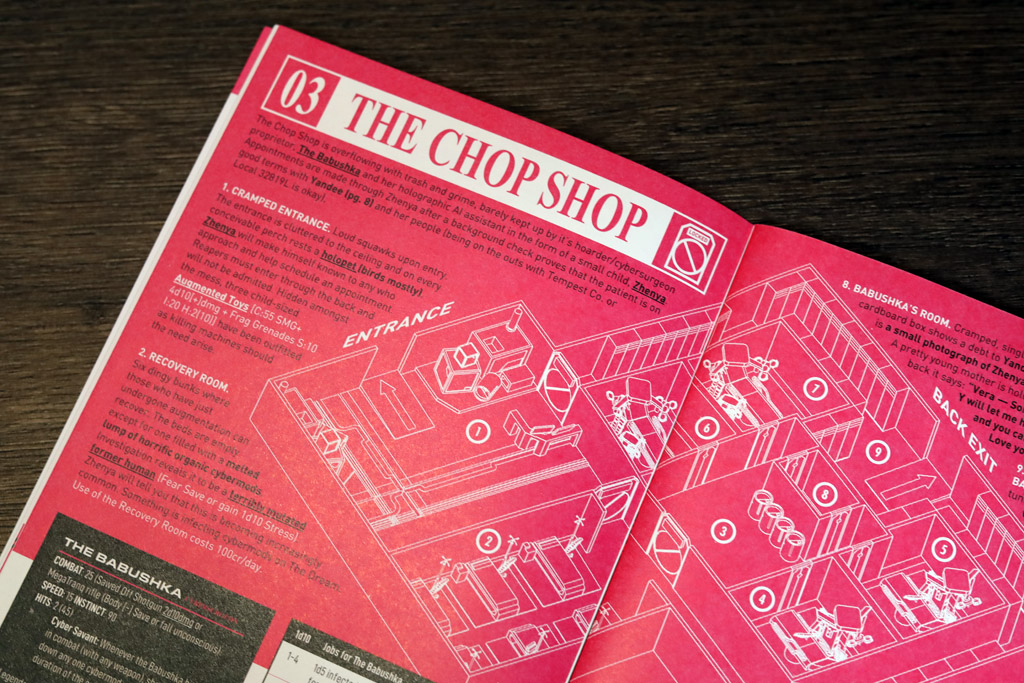
In practical terms, new players can buy the Player’s Survival Guide, grab an intro scenario, and start. Veterans can dive into a massive library of modules—official toolkits like A Pound of Flesh sit beside hundreds of third-party experiments that treat the rules as a common language for terror.
The Mechanics of Survival: Core Stats & Saves
The heart of a Mothership character is defined by four Stats (how you act) and four Saves (how you react). Players must roll under or equal to these percentile values on a to succeed.
Crew Archetypes: Choosing Your Role
Your Class determines your starting expertise and how you interact with the game’s Stress and Panic mechanics. Each role is designed to be indispensable to a functioning crew.
The Teamster: Rugged and reliable. They excel at keeping the ship running and have a natural grit that makes them harder to kill in a crisis.
The Scientist: The intellectual edge. They possess the knowledge required to study alien life and perform field medicine, acting as the crew’s best hope for answers.
The Android: The cold professional. High starting stats and a unique mental fortitude make them effective, though their “logic-first” nature can be a double-edged sword for crew morale.
The Marine: The heavy hitter. Highly trained for violence and protection, Marines provide the firepower and tactical Saves needed when a mission turns into a fight for survival.
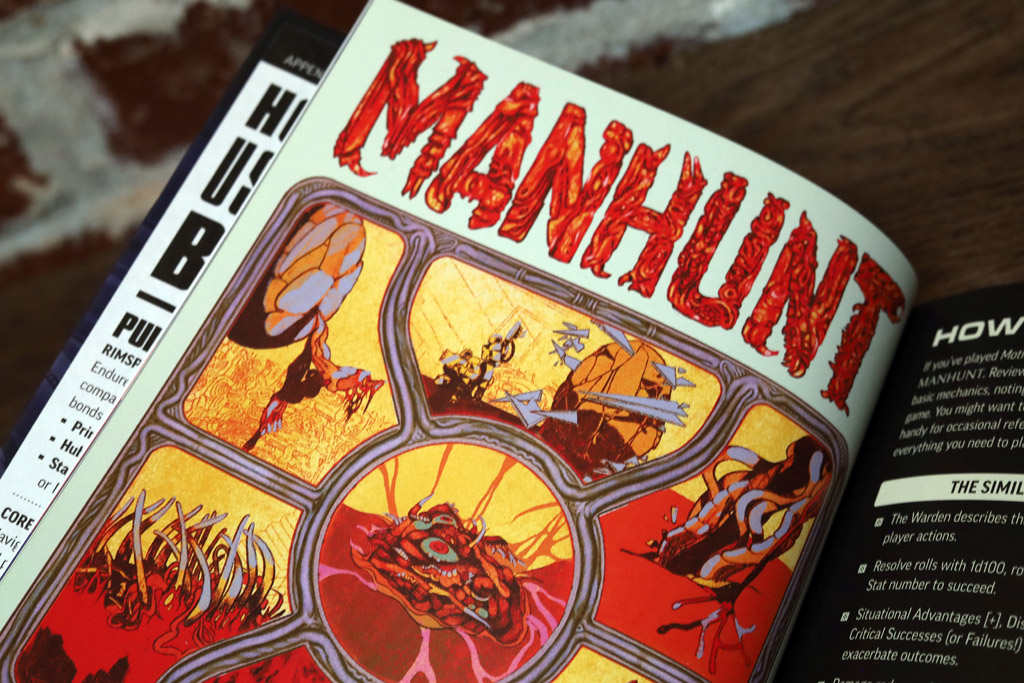
Resolution Logic: The D100 “Roll-Under” System
Mothership uses a streamlined percentile system designed for instant clarity. Every time you roll the dice, the outcome is immediately obvious to everyone at the table.
Success (Roll ≤ Stat): You achieve your objective.
Failure (Roll > Stat): The situation escalates, usually resulting in +1 Stress.
Critical Success (Doubles ≤ Stat): An exceptional triumph that often provides an extra tactical advantage.
Critical Failure (Doubles > Stat): A disastrous turn of events that triggers a Panic Check, potentially changing the course of the entire scene.